
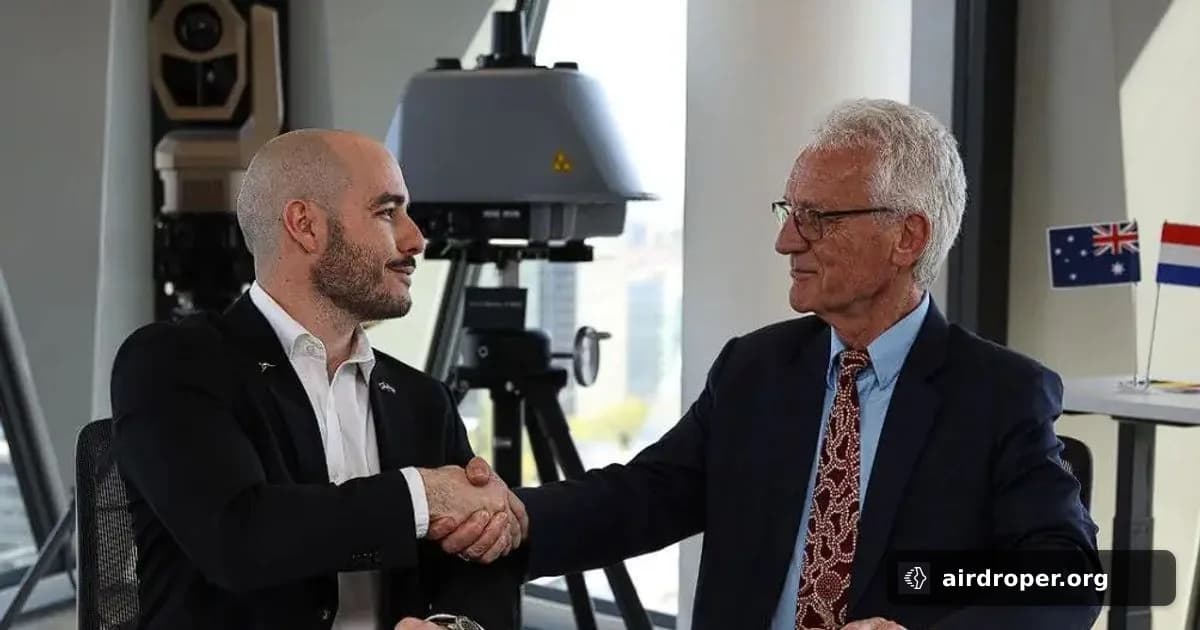
DroneShield and Terma team up on layered C-UAS
A signal that counter-UAS is maturing
DroneShield and Terma have announced a strategic partnership focused on advancing layered counter-UAS capabilities. The move reflects a broader shift in the drone-defense market: customers are increasingly looking for systems that work together, rather than standalone tools that solve only one part of the problem.
What layered counter-UAS really means
In practice, a layered approach is about building several levels of protection around a site or unit. That usually includes:
- early detection of airborne threats;
- tracking and classification to improve decision-making;
- response options matched to the threat and operating environment;
- integration across the wider command-and-control architecture.
This model matters because drones are no longer a single-use or single-threat category. Small commercial platforms, improvised systems, and coordinated drone activity can all require different responses. A layered setup gives operators more flexibility and reduces dependence on one sensor or one effect mechanism.
Why partnerships matter in this market
The counter-UAS sector is becoming less about isolated products and more about interoperability. Defence customers want solutions that can plug into existing surveillance, communications, and command systems without creating unnecessary integration friction.
That has several practical benefits:
- faster deployment;
- easier scaling across different sites;
- better resilience if one layer is degraded;
- more options for adapting to changing threat profiles.
For defence and security users, this is especially important in environments where threats can evolve quickly and response time is limited.
A broader market direction
The DroneShield-Terma agreement fits a trend visible across the industry: counter-drone capability is moving toward system-of-systems thinking. The winning solutions are increasingly those that combine sensing, software, and effectors in a coordinated architecture.
That does not just improve performance. It also changes how buyers evaluate technology. Instead of asking whether a single tool can stop a drone, they are asking whether the full stack can detect, classify, coordinate, and respond reliably under pressure.
In that sense, the new partnership is less about one announcement and more about where the market is heading next.
Related Posts


Comments
Sign in to leave a comment