
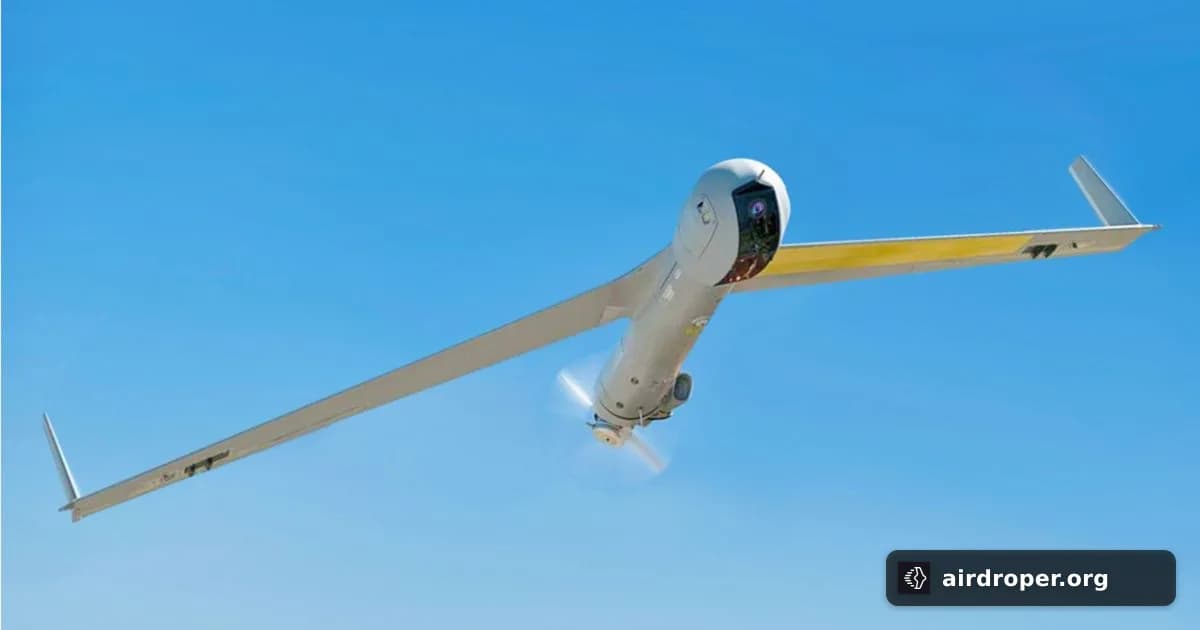
Eagle Eye and Capytech UK team up on drone training
A partnership aimed at raising training standards
Eagle Eye Innovations has announced a strategic partnership with Capytech UK, a move positioned to support the next generation of drone training. While the source announcement is brief, the direction is clear: the market is placing more weight on structured training as drone operations become more complex and more common across industries.
Drone training is no longer just about learning how to fly. Operators now need to understand mission planning, safety procedures, maintenance basics, and how to work in environments where reliability matters as much as control. That shift is pushing training providers to build programs that blend hands-on instruction, operational knowledge, and modern tools.
Why this matters for the UAV sector
Partnerships like this usually matter because they can combine complementary strengths. One side may bring instructional experience and training frameworks; the other may contribute technology, delivery capabilities, or access to a wider audience. The result is often a more practical and more scalable training model.
For the broader drone industry, that is an important development. Hardware continues to improve, but performance in the field still depends on the people behind the controls. A well-designed training path can reduce gaps between classroom learning and real-world operations.
The bigger trend behind the announcement
This kind of collaboration reflects a wider trend in the drone ecosystem. As UAVs are used in inspection, surveying, logistics, emergency response, and other specialized tasks, the demand for better-trained operators keeps rising.
That creates pressure for training programs to evolve from isolated courses into more complete learning systems. The most effective programs are likely to be the ones that can offer clear progression, consistent standards, and practical scenarios that mirror operational realities.
What to watch next
The announcement leaves several open questions: what form the joint training offer will take, how theory and practice will be balanced, and whether the model can be scaled beyond a limited audience.
Even so, the message is straightforward. In UAV operations, training is becoming a strategic asset, not an afterthought. Partnerships that strengthen that layer of the ecosystem are likely to shape how the next generation of drone professionals is prepared.
Related Posts

Comments
Sign in to leave a comment