
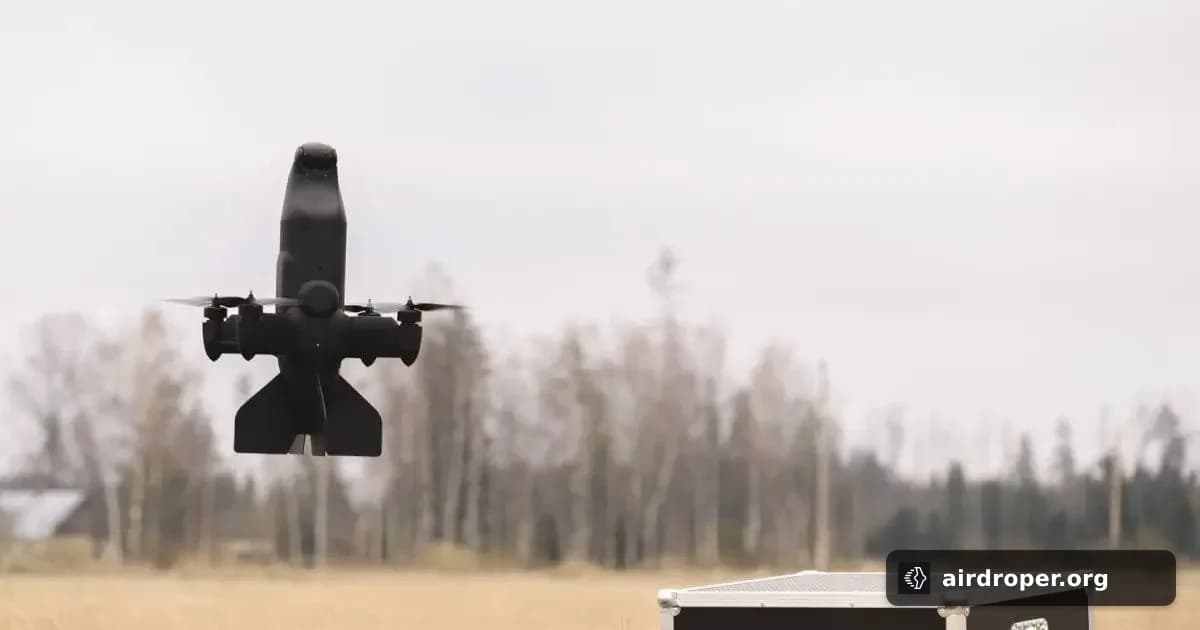
Latvia Signs Multi-Year Deal for BLAZE Deliveries
Latvia moves toward sustained demand for combat UAVs
Origin Robotics, a defence technology company focused on advanced unmanned aerial weapon systems, has announced a multi-year framework agreement with Latvia for BLAZE deliveries. Even with limited public details, the move highlights a broader shift in Europe: procurement is increasingly moving from isolated purchases to longer-term supply plans.
Why a framework agreement matters
A framework agreement is not the same as a one-off order. It creates a structure for deliveries over several years, giving the customer more flexibility in scheduling and the supplier a clearer production outlook. In defence aviation and UAV manufacturing, that predictability matters. It can shape production planning, inventory, and the pace at which systems are introduced into service.
For Latvia, such an arrangement can support gradual integration of BLAZE into its defence setup, while aligning acquisitions with operational needs and budget cycles.
What this signals for the UAV sector
The agreement is also a reminder that the European UAV market is not limited to reconnaissance platforms. Demand is expanding in the direction of unmanned aerial weapons systems, which places new expectations on manufacturers. Buyers are looking not only for performance, but also for reliability, fast deployment, and compatibility with existing defence workflows.
That raises the bar for suppliers in several areas:
- scalable production;
- dependable supply chains;
- alignment with national defence programmes;
- lifecycle support after delivery.
Why this deal is worth watching
The framework agreement does not yet reveal full technical or commercial terms, but it does point to an important market trend. European customers are increasingly seeking longer partnerships with UAV manufacturers and faster paths to scaling solutions they already trust.
For the industry, that shifts competition away from isolated demonstrations and toward the ability to deliver series production, sustained support, and system adaptation for specific missions. Those factors are becoming decisive in whether a promising platform turns into an operational capability.
Related Posts
Comments
Sign in to leave a comment