
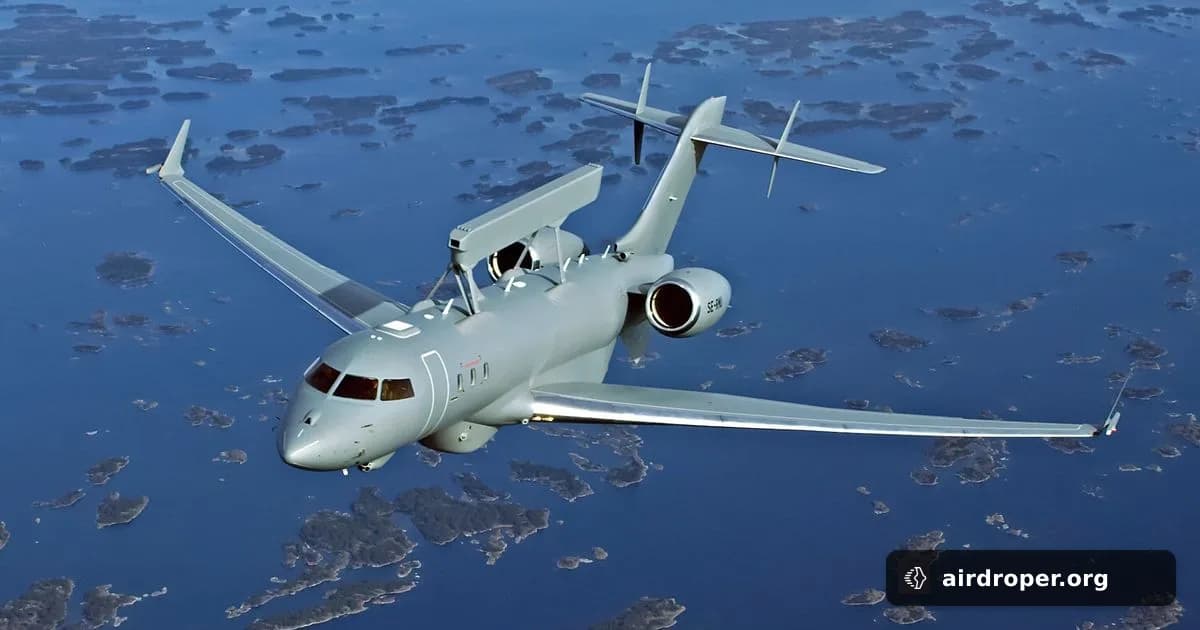
NATO Selects Saab GlobalEye to Replace E-3 AWACS
NATO moves to refresh airborne surveillance
NATO has taken another step toward modernizing its airborne surveillance architecture by selecting Saab GlobalEye to replace the aging E-3 AWACS fleet. The decision arrives as part of a broader set of alliance announcements covering drones, maritime patrol aircraft, tankers, and airlifters.
Why the replacement matters
For decades, the E-3 AWACS platform has been one of NATO’s core tools for airborne early warning, airspace monitoring, and battle management. But long service life eventually brings familiar problems: growing support costs, aging airframes, and limits on how far the platform can be upgraded. A replacement was only a matter of time.
Saab GlobalEye represents a more modern approach. It is a multi-sensor airborne surveillance platform designed to combine detection, tracking, and command-and-control support in a single system. For NATO, that means more than just swapping out an old aircraft. It means moving toward a more flexible capability built for networked operations.
Part of a wider capability push
The GlobalEye selection also matters because it is not happening in isolation. NATO’s latest wave of capability announcements includes several other areas that support operational reach and resilience. Drones, patrol aircraft, tankers, and transport aircraft all play different roles, but together they form the backbone of sustained air operations.
That broader picture is important. Modern air power depends not only on fighters, but also on surveillance, refueling, logistics, and secure data flow. A platform like GlobalEye helps connect those elements, turning raw sensor data into a clearer operational picture for commanders and crews.
What this signals for defense industry
The decision also sends a message to the defense market. NATO’s choice will shape future integration work, service support, and procurement priorities around allied sensor networks. For manufacturers, the trend is clear: demand is moving toward versatile platforms that can operate in complex electronic environments and support multiple mission sets.
In practical terms, NATO is not simply replacing a legacy aircraft. It is choosing a system built around awareness, connectivity, and speed of decision-making — the qualities that increasingly define air superiority today.
Related Posts



Comments
Sign in to leave a comment