
An-28 Anti-Drone Evolution: How Ukraine Turned a Soviet Turboprop into a UAV Hunter
A Soviet Workhorse Gets a New Mission
The An-28 Cash is a compact Soviet-era turboprop that spent decades hauling cargo and passengers to remote airstrips. Ukraine has now given it a dramatically different purpose: hunting enemy drones.
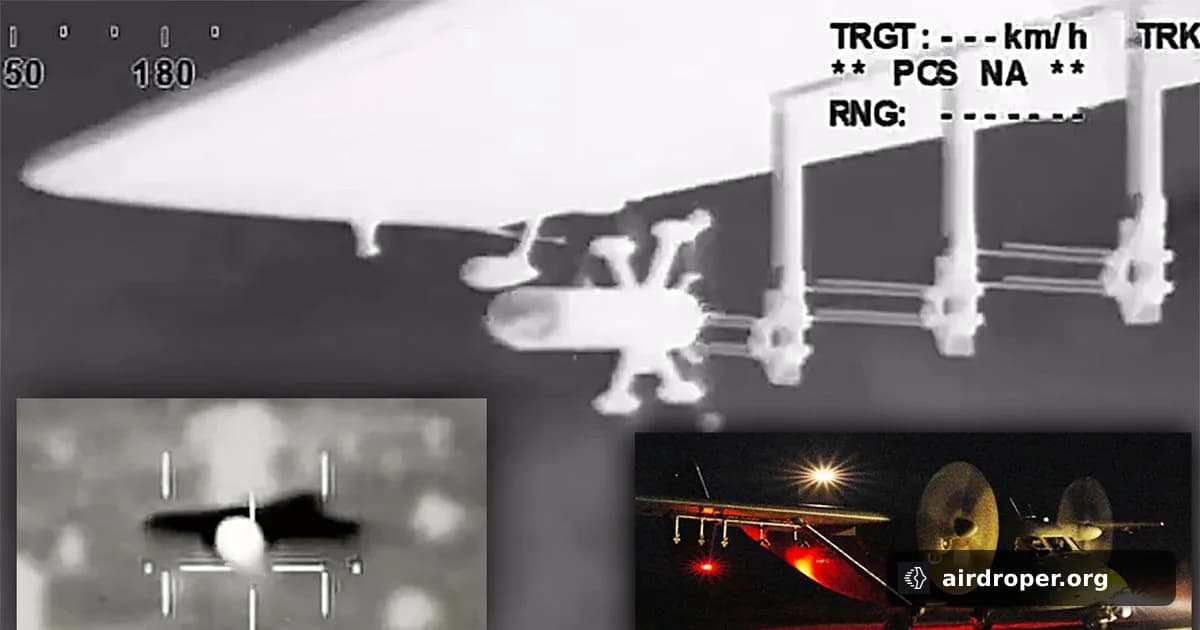
The aircraft has undergone a series of upgrades that reflect the rapidly changing demands of modern aerial warfare. An early addition was Minigun armament — a high-rate-of-fire weapon capable of producing a dense curtain of fire against small, fast targets. The most recent development, however, takes the platform further: the An-28 can now deploy interceptor drones while airborne.
Why an Airborne Carrier Makes Sense
Using a manned aircraft as a launch platform for anti-drone interceptors has a straightforward operational logic:
- Speed and altitude — an airborne platform can respond to threats faster and from better angles than ground-based systems
- Mobility — unlike fixed or semi-mobile ground defenses, the aircraft can reposition to where the threat is emerging
- Layered defense — interceptor drones released from altitude add another engagement layer between the threat and the protected asset
Ground-based counter-drone systems, even mobile ones, are constrained by terrain and line-of-sight. An aerial platform removes many of these limitations.
Drone vs. Drone: An Emerging Doctrine
The concept of using drones to intercept other drones is gaining traction across modern conflicts. Traditional countermeasures — electronic warfare, anti-aircraft artillery, missiles — all have trade-offs: cost, limited ammunition, or reduced effectiveness against small and low-flying targets.
Airborne interceptor drones offer a different cost-to-kill equation:
- Lower per-intercept cost compared to missile-based systems
- Adaptability against swarms or coordinated multi-drone attacks
- Real-time tactical flexibility when deployed from a crewed aircraft
What This Signals for the Industry
The An-28's transformation is a practical demonstration of platform adaptation over new development. Rather than waiting for purpose-built counter-drone aircraft, Ukraine is layering capabilities onto an existing airframe — combining kinetic weapons with autonomous interceptors to create a multi-tier aerial defense node.
It's a reminder that in active conflict environments, effective innovation often comes from combining available assets in new ways, rather than from ground-up engineering programs.
Related Posts


Comments
Sign in to leave a comment