The Aquila Regiment: How a Single Air Defense Battalion Became a Full-Scale Regiment
A New Layer of Air Defense
Ukraine's 3rd Army Corps has expanded its air defense capabilities with the formation of a new anti-aircraft missile regiment named Aquila. The unit's creation reflects a broader Ukrainian approach: identifying high-performing formations and scaling them into larger, more capable structures.
From Battalion to Regiment
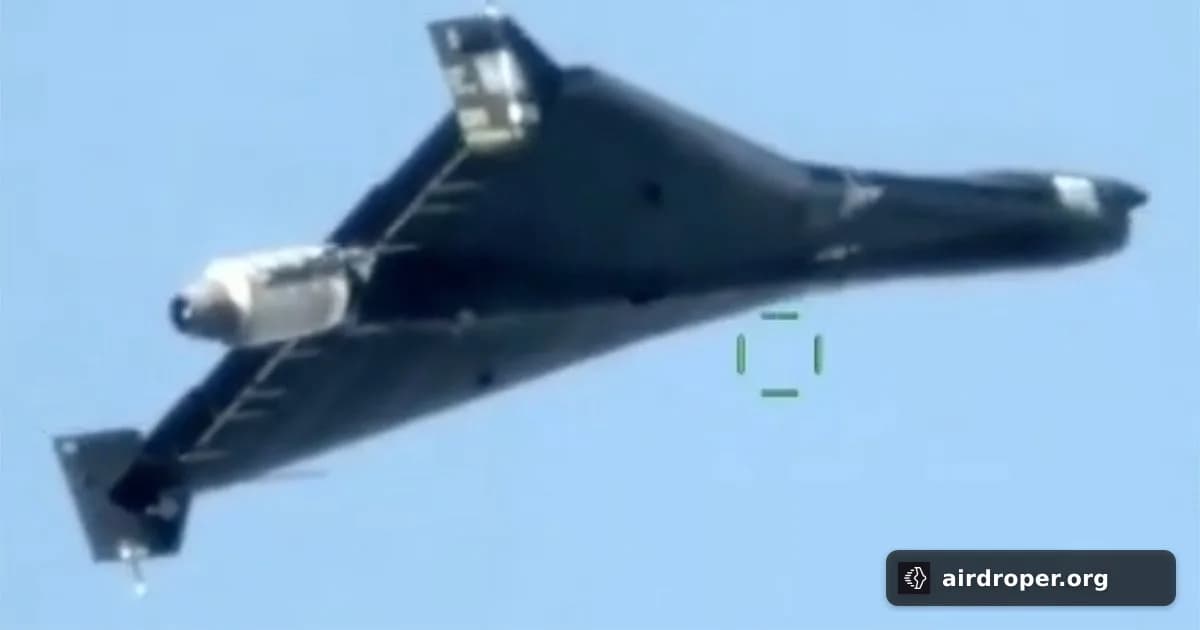
Aquila traces its roots to the anti-aircraft missile and artillery battalion of the 3rd Separate Assault Brigade. Over roughly six months of combat operations, that battalion recorded more than 350 aerial targets destroyed — ranging from reconnaissance UAVs such as the Orlan, Supercam, and Zala to strike systems including Lancets and Shahed loitering munitions.
That combat record provided the foundation — and the justification — for expanding the unit into a full regiment.
What the Regiment Looks Like
The Aquila regiment is built around several interconnected components:
- Radar reconnaissance units for target detection and tracking
- Mobile short-range SAM systems, including the Strela-10 and upgraded platforms equipped with R-73 air-to-air missiles adapted for ground launch
- Man-portable air defense systems (MANPADS)
- Interceptor drones
- Mobile fire teams
The use of R-73 missiles in a ground-based configuration is particularly noteworthy. Originally designed for air-to-air combat, the R-73 operates on a fire-and-forget principle. Adapted for surface launch, it allows crews to engage a target and immediately reposition — reducing exposure while maintaining a fast reaction time.
Rethinking Legacy Hardware
One of the defining characteristics of Aquila's development is the deliberate modernization of Soviet-era platforms rather than waiting for new equipment deliveries. By integrating modern missiles and interceptor drones into existing mobile chassis, the regiment achieves layered, flexible coverage without relying solely on Western systems.
This philosophy — extracting maximum capability from available assets through tactical and technical innovation — has become a recognizable feature of Ukrainian military adaptation throughout the conflict.
Broader Implications
The formation of Aquila strengthens the corps-level air defense architecture of the 3rd Army Corps, providing denser and more agile protection against the growing threat of enemy UAVs and loitering munitions. It also signals that Ukraine continues to treat battlefield experience as a direct input into force structure decisions.
Related Posts
Comments
Sign in to leave a comment