
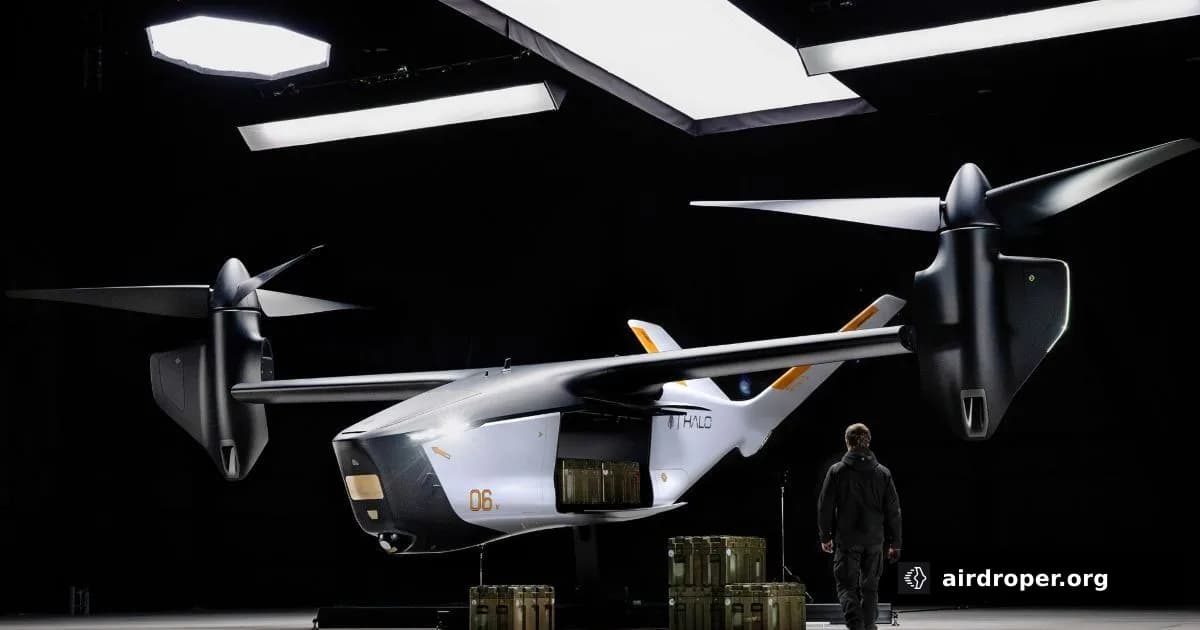
Archer Halo: autonomous VTOL for cargo missions
Halo points to a new cargo aircraft category
Archer Aviation has introduced Halo, an autonomous hybrid-electric VTOL designed for long-range cargo missions. The concept combines vertical takeoff, airplane-style cruise, and operation without a pilot onboard. In practical terms, that means moving heavy payloads to locations where conventional aircraft may have limited access.
Why the design matters
Halo is built around a familiar but demanding aviation problem: how to get the flexibility of a helicopter and the efficiency of an airplane in one platform. For cargo operators, that combination can be especially valuable because it offers:
- vertical takeoff and landing without a runway;
- the ability to cover longer distances than a pure rotary platform;
- pilotless operation for freight missions;
- access to remote or hard-to-reach destinations.
Autonomy is the key point here. The aircraft is not just intended to fly itself; it is meant to reduce the need for onboard crew in cargo transport. That can simplify mission planning and make new logistics routes more realistic.
Where it could fit in logistics
Aircraft like Halo are typically aimed at missions where ground transport is slow, infrastructure is limited, or a runway is not available. That includes remote regions, time-sensitive deliveries, and operations in places where flexibility matters more than traditional airport-based workflows.
The hybrid-electric setup is also part of a broader industry search for the right balance between endurance, payload capacity, and operational efficiency. In cargo aviation, that balance often determines whether a concept remains a prototype idea or becomes a useful tool.
What it signals for UAV development
Halo reflects a larger shift in the drone and eVTOL space. Autonomous aircraft are increasingly being positioned not only for inspection or research tasks, but for real-world logistics. If platforms like this prove reliable, they could reshape how cargo moves over medium and long distances.
For now, Halo should be seen as a sign of where the market is heading: toward a distinct class of unmanned cargo VTOL systems built for practical transport work.
Related Posts


Comments
Sign in to leave a comment