
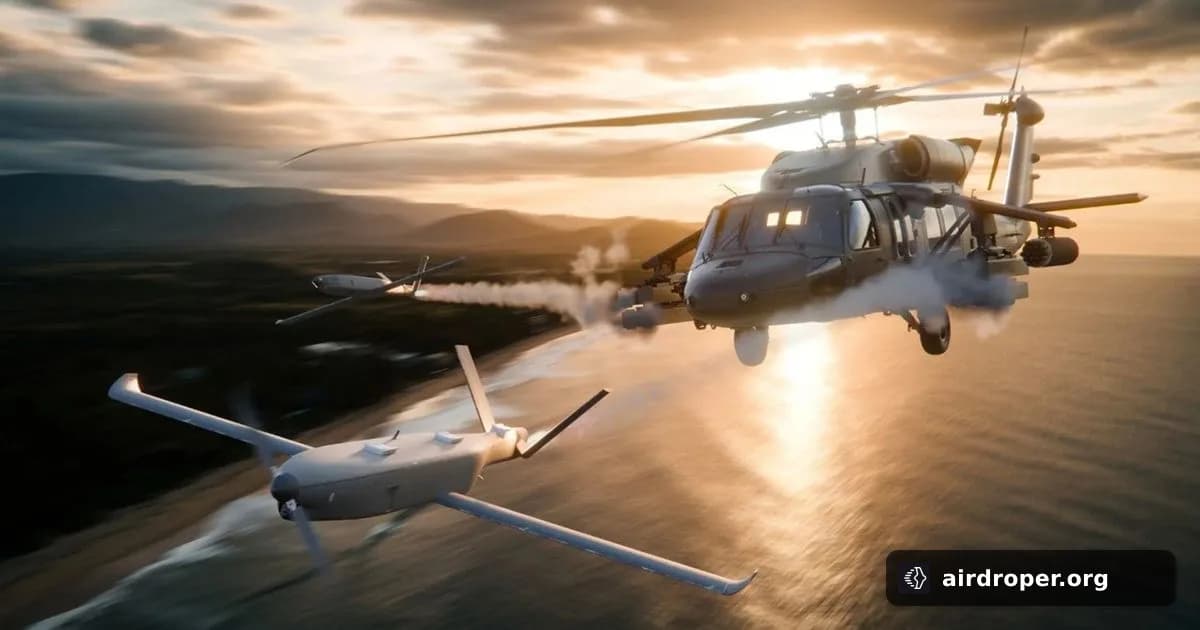
Black Hawk 2070: Drones, Engines, and U-Hawk
What Black Hawk 2070 Is Trying to Change
Sikorsky’s Black Hawk 2070 concept is not about a single upgrade. It is a roadmap for turning the UH-60 family into a more autonomous, longer-range, and more adaptable aircraft over time. Instead of treating modernization as one-off changes, the approach combines propulsion improvements, new mission roles, and uncrewed operations into one development path.
The uncrewed U-Hawk takes center stage
The most attention-grabbing part of the plan is the pilotless U-Hawk. Its significance goes beyond one prototype: it tests whether a large, proven utility helicopter can operate without a crew when equipped with the right control architecture and autonomy features.
If that effort succeeds, it could reshape how militaries think about risk, logistics, and mission planning. A heavy rotorcraft that can fly without people onboard creates new options for operating in contested areas, moving supplies, or taking on tasks that are too dangerous for a crewed aircraft.
Engines, range, and launched effects
Black Hawk 2070 also points to more traditional, but equally important, improvements. New engines are part of the plan, along with greater range and the ability to carry or launch effects from the aircraft. In practical terms, that means the helicopter becomes more than a transport platform: it becomes a node in a larger, connected system of sensors and uncrewed assets.
That matters because modern operations increasingly demand flexibility. A single aircraft may need to move troops, support evacuation, collect information, or enable other systems depending on the mission. Extending the life of an established airframe can therefore be more efficient than replacing fleets outright.
Why the industry should pay attention
The Black Hawk remains one of the most recognizable military helicopters in service, so any major shift in its design philosophy has influence beyond one program. The combination of autonomy, propulsion upgrades, and launched effects reflects a broader trend in defense aviation: platforms are becoming more software-driven and more integrated with drones.
If the U-Hawk flies this year, it will be an important milestone for large uncrewed helicopters. It will also offer a useful benchmark for how far a familiar utility aircraft can be pushed toward a more autonomous future without losing the versatility that made it successful in the first place.
Related Posts


Comments
Sign in to leave a comment