

Cargo Drones Deliver Toolkits to North Sea Turbines
Cargo drones move into offshore logistics
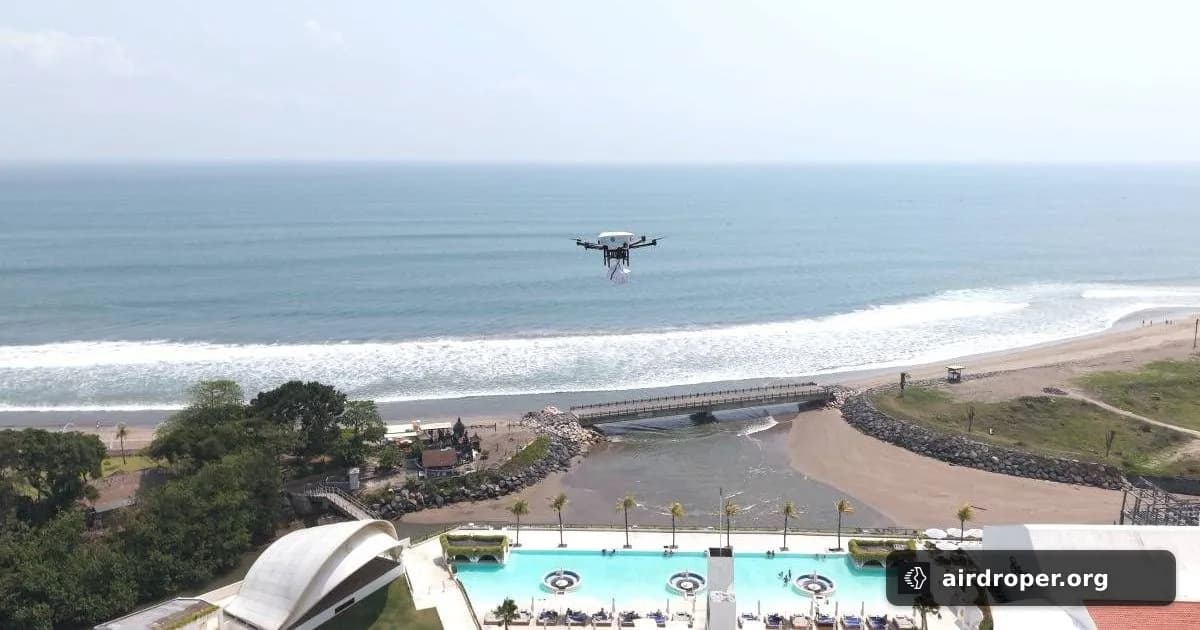
Ørsted has completed a new trial of a large cargo drone at Hornsea 2 in the North Sea. The mission was straightforward but meaningful: deliver toolkits and small equipment to offshore wind turbines, where even routine supply runs can depend on weather, vessel availability, and tight scheduling.
Why this matters
This is not the kind of delivery associated with consumer convenience. In offshore energy, the value lies in reducing downtime and simplifying maintenance logistics. A cargo drone can bring exactly what a crew needs at a turbine — tools, consumables, or small spare parts — without sending a boat for every urgent task.
For wind farm operators, that brings several potential advantages:
- faster access to maintenance items;
- fewer logistics steps;
- better flexibility for servicing work;
- lower dependence on sea conditions and vessel windows.
Offshore wind is a demanding environment
North Sea operations are shaped by distance, wind, waves, and limited access windows. That makes cargo delivery a challenge, especially when a team needs a specific item quickly. In that context, drone logistics is attractive because it offers direct point-to-point transport with fewer intermediate steps.
The Hornsea 2 trial is important because it tests whether this model can fit into day-to-day infrastructure support rather than remaining a one-off demonstration. If such operations continue to develop, cargo drones could occupy a practical middle ground between marine logistics and helicopter-based missions.
A broader role for UAVs
The trial also reflects a wider trend: UAVs are increasingly being used for utility work, not just surveillance or inspection. As the sector matures, drones are becoming part of operational logistics — helping move materials, support crews, and keep complex systems running.
For industrial operators, that is a useful signal. Autonomous delivery is no longer just an idea for future workflows; it is beginning to take shape in real infrastructure environments.
Related Posts


Comments
Sign in to leave a comment