CGT-50 Crash at Radnor Range: When Manufacturing Defects Ground a UAV
What Happened at Radnor Range
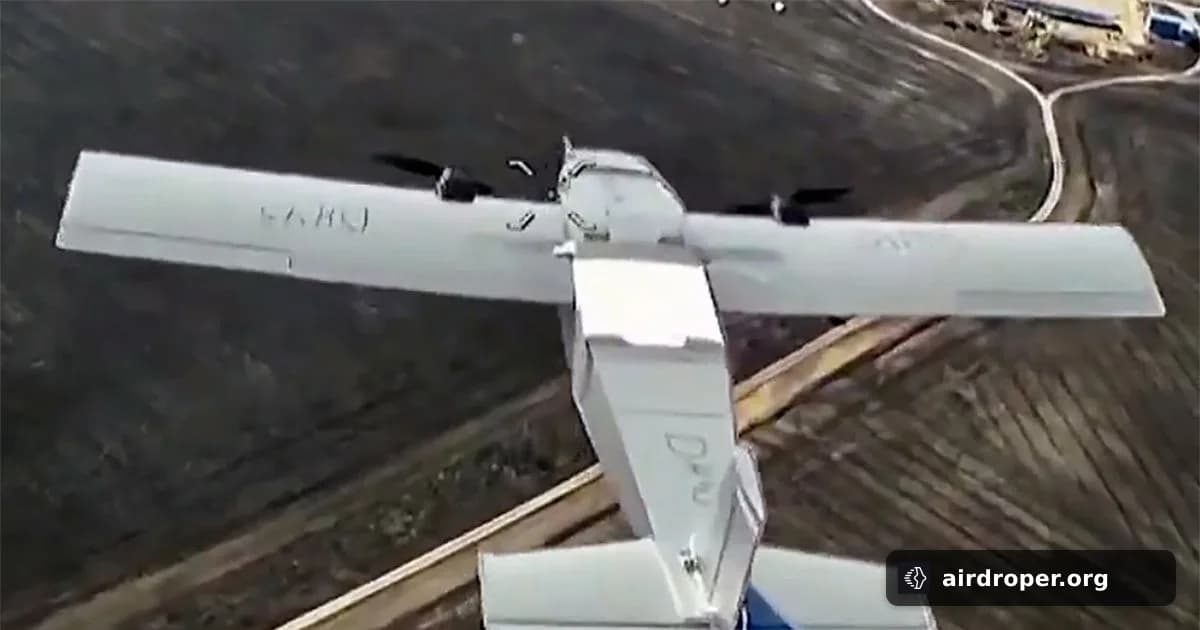
In October 2023, a Cagatay CGT-50 unmanned aircraft suffered a catastrophic structural failure during a demonstration flight: the right wing separated from the fuselage mid-air, sending the aircraft into an uncontrolled descent. The incident prompted a formal investigation — and the findings carry lessons that extend well beyond a single airframe.
Root Causes: Design and Manufacturing Failures
Investigators identified two primary factors behind the crash:
- Undersized wing joiners. The structural components connecting the wing to the fuselage were insufficient for the load requirements of an aircraft in this class.
- Poor manufacturing quality. Components failed to meet necessary tolerances, further reducing the structural integrity of the wing attachment.
Together, these issues meant the aircraft never had adequate safety margins for the flight envelope it was being operated in.
The Communication Gap
Beyond the mechanical failures, investigators also flagged significant breakdowns in operational communication. Critical information about the aircraft's structural limitations apparently did not reach the people responsible for authorizing and conducting the flight.
This is a recurring pattern in UAV incidents: technical knowledge about known limitations stays siloed within engineering teams, while operators and mission planners proceed without full situational awareness. Formalizing the flow of safety-critical information is not optional — it's a core requirement of any airworthiness framework.
Key Takeaways for the UAV Industry
The CGT-50 incident is a useful case study for anyone involved in UAV design, production, or operations:
- Structural margins must reflect real-world conditions — not just theoretical load calculations performed in isolation.
- Manufacturing tolerances in structural joints are non-negotiable. Deviations that might be acceptable elsewhere in an airframe are often catastrophic in load-bearing connections.
- Operational communication channels need to be formalized. Known limitations must be documented and transmitted through the entire operational chain.
- Pre-flight checks of wing attachment points should be treated as mandatory inspection items, not procedural formalities.
Final Thoughts
The CGT-50 crash is a reminder that UAV reliability isn't solely a matter of avionics or software. Structural integrity and manufacturing quality are the physical foundation of flight safety — and no amount of sophisticated electronics compensates for a wing joiner that was never up to the task.
Related Posts
Comments
Sign in to leave a comment