
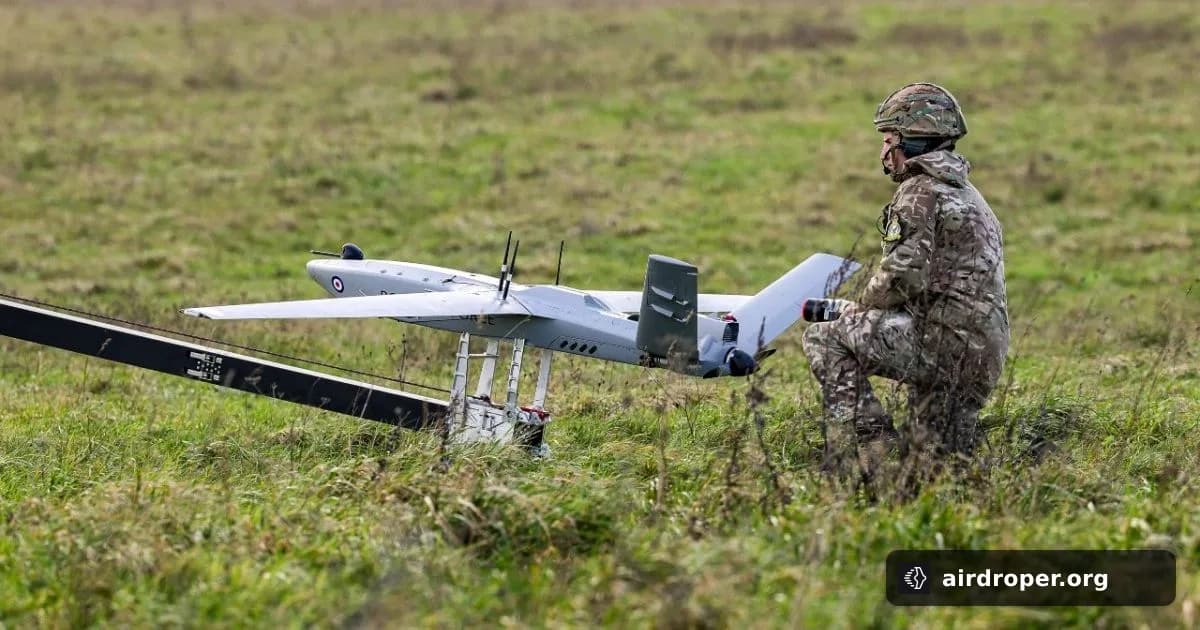
StormShroud: How the RAF Is Fielding Next-Generation Autonomous Combat Drones
Drones Move to the Front Line
The Royal Air Force has taken a meaningful step toward integrating unmanned systems into frontline combat operations with StormShroud — the first platform in a new family of Autonomous Collaborative Platforms (ACP). Rather than replacing manned aircraft, StormShroud is designed to work alongside them, specifically supporting Typhoon and F-35B Lightning jets in contested airspace.
The Role: Electronic Warfare at the Edge
StormShroud's primary mission is radar suppression — blinding or degrading enemy air defence systems to improve the survivability of manned aircraft flying in the same operational area. This is a practical implementation of the "loyal wingman" concept, where an uncrewed platform takes on high-risk tasks that would otherwise expose human pilots to greater danger.
Key aspects of the approach include:
- Augmenting existing fast jet fleets rather than replacing them
- Reducing pilot exposure during suppression of enemy air defences (SEAD) missions
- Building toward a broader family of specialised ACP variants
One Year of Operational Testing
Over its first year, StormShroud has undergone extensive trials — from initial flights at RAF Spadeadam to complex multi-platform exercises on Salisbury Plain. These tests focused not just on the aircraft's technical performance but also on developing new tactics for manned-unmanned teaming, an area where doctrine is still actively evolving across all major air forces.
A Reservist-Led Organisational Model
The programme is operated by 216 Squadron, which uses an unconventional structure with a significant reservist component. This model suggests the RAF is exploring ways to absorb advanced autonomous capabilities without proportionally expanding its regular establishment — a practical consideration as ACP programmes scale up.
Broader Implications
StormShroud signals that autonomous collaborative platforms are transitioning from concept to operational reality. For the wider UAV industry, the programme highlights growing demand for flight control systems and avionics capable of operating reliably in electromagnetically contested environments — precisely the conditions where conventional navigation and communication links face the greatest stress.
As ACP families expand across different nations, the requirements placed on onboard electronics, autopilots, and mission management systems will only become more demanding.
Related Posts
Comments
Sign in to leave a comment