
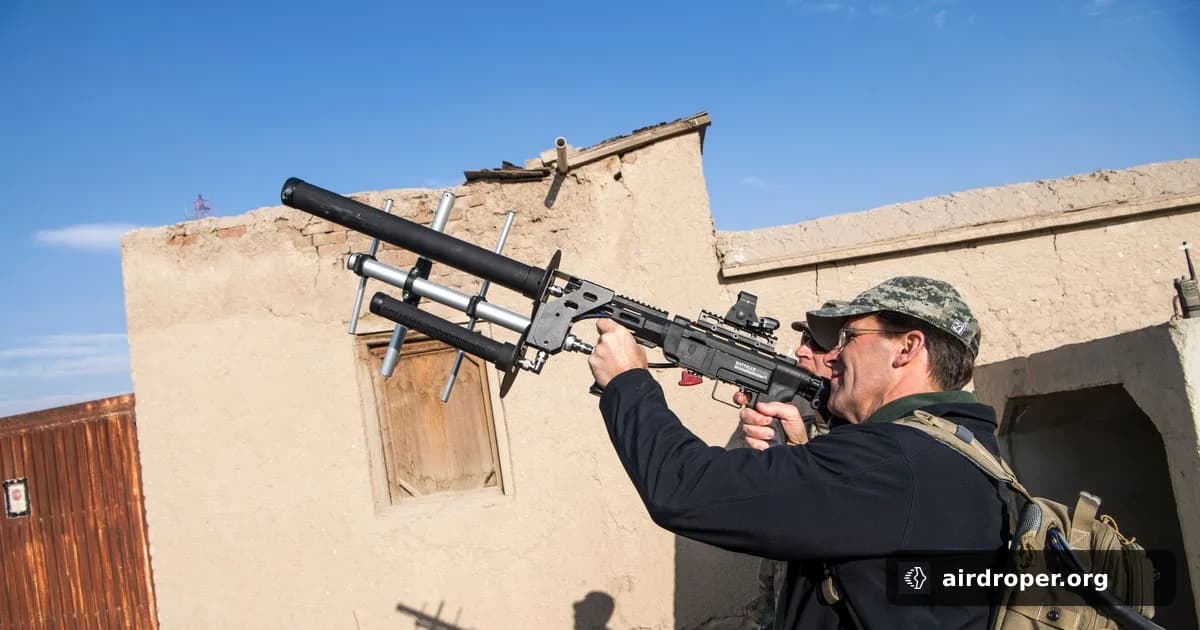
Counter-Drone as a Dedicated Branch: Why Militaries Are Standing Up Specialized C-UAS Units
From Ad Hoc to Institutional
Counter-uncrewed aerial systems (C-UAS) defense was once treated as a secondary task — something air defense or electronic warfare units handled on the side. That perception is changing fast. Militaries around the world are now standing up dedicated C-UAS wings and commands, signaling that drone defense has matured into a recognized discipline in its own right.
Why a Standalone Unit?
When drone threats were sporadic, training existing personnel to deal with occasional UAV contacts was sufficient. Today, the battlespace looks very different. Reconnaissance drones, loitering munitions, FPV attack craft, and relay platforms operate simultaneously and in swarms. A part-time solution is no longer adequate.
The case for dedicated C-UAS formations rests on several pillars:
- Concentrated expertise. Specialists focused solely on counter-drone operations develop deeper skills and adapt faster to evolving threat profiles.
- Unified doctrine. A single command can establish common procedures, training standards, and operational concepts across all subordinate units.
- Faster adaptation. Dedicated structures can field new capabilities — from RF jammers to directed energy — without competing for priority against other mission sets.
- Requirements ownership. Having a specialized branch gives procurement a clear customer with well-defined technical requirements.
Lessons From Active Conflicts
Ongoing conflicts have provided hard evidence of what happens when C-UAS is an afterthought. Units caught without adequate drone defense have faced significant attrition from relatively low-cost threats. The tactical lesson has been absorbed at the strategic level: the cost of unpreparedness far exceeds the investment in proper C-UAS infrastructure.
What a Modern C-UAS Wing Looks Like
A credible counter-drone formation today is a layered system rather than a single capability:
- Radar and electro-optical detection networks
- Electronic warfare and RF jamming assets
- Kinetic interceptors (missiles, guns, nets)
- Non-kinetic effectors including directed energy
- AI-assisted command and control
The effectiveness of such a wing depends less on any single technology and more on integration — how quickly a detected threat is classified, assigned, and engaged.
A Trend That Will Only Accelerate
As drone hardware becomes cheaper and more capable, the threat envelope will continue to expand. The institutional response — creating dedicated C-UAS branches — reflects a clear-eyed assessment of where modern warfare is heading. For defense establishments still treating counter-drone as a secondary function, the window for comfortable reorganization is narrowing.
Related Posts

Comments
Sign in to leave a comment