
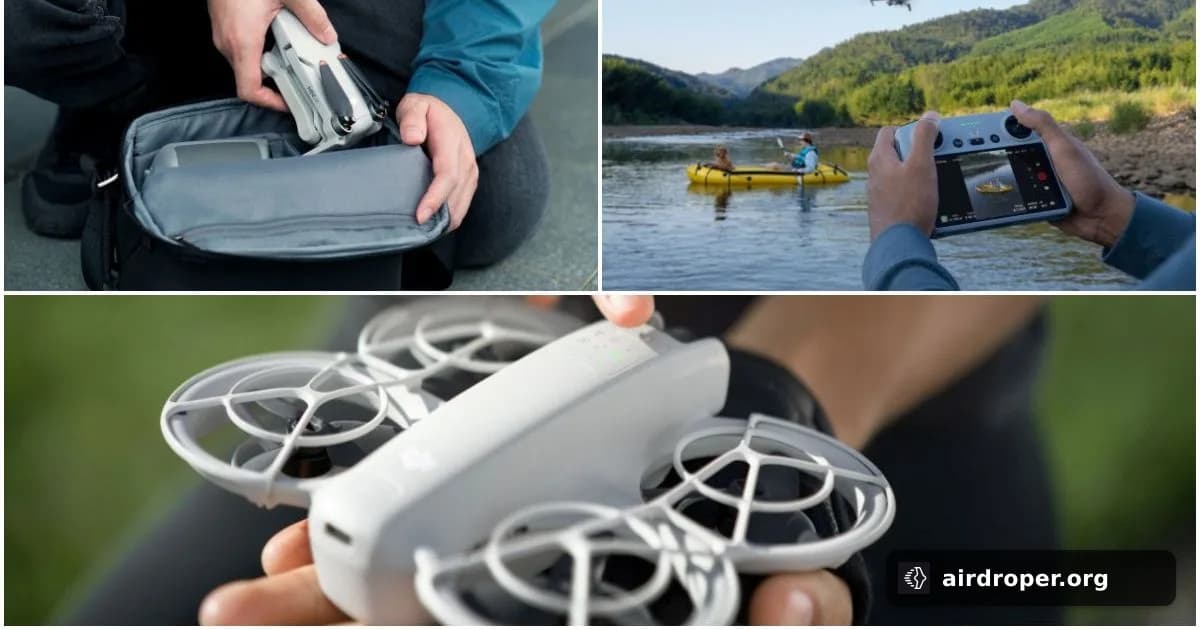
DJI's FCC Problem: 25 Products May Never Reach the US Market
FCC Authorization Blocks May Reshape the US Drone Market
The US drone market is facing a significant shift. DJI, the dominant player in consumer and prosumer unmanned aerial systems, is running into a major regulatory wall — and the consequences could affect tens of thousands of American buyers.
According to recent court filings submitted by DJI itself, up to 25 planned products may fail to receive FCC authorization in 2026. That's a substantial portion of the company's upcoming lineup potentially locked out of one of the world's largest drone markets.
Why This Changes the Buying Equation
For years, the standard advice in the drone community has been simple: if a new model is coming, wait for it. That logic no longer holds when the next model may never receive regulatory clearance to be sold in the US.
The core issues driving this situation:
- DJI's placement on US government restricted lists complicates the FCC certification process
- The FCC has authority to deny equipment authorization to companies flagged as national security concerns
- Legal challenges are ongoing, but outcomes remain uncertain
What Buyers and Operators Should Consider
Existing DJI models that already hold FCC authorization remain available on the market. This context reframes current discounts on those models — they're not just promotional pricing, but potentially the last opportunity to purchase certain authorized hardware.
For professional operators and enthusiasts, this is a moment to reassess upgrade strategies:
- If a current model meets operational requirements, purchasing now may be the pragmatic choice
- The market may increasingly favor alternatives from European and other manufacturers
- Demand for open-source flight controller platforms and independently certified hardware is likely to grow
The Broader Regulatory Trend
The DJI situation reflects a wider global pattern: regulatory scrutiny of unmanned systems is intensifying across multiple jurisdictions. The US debate over technological dependency on foreign-made drones — particularly around data security and critical infrastructure — has been building for several years.
For flight controller manufacturers and electronics developers, tighter regulation creates genuine opportunity. Demand for locally certified, transparent, and auditable drone hardware will only increase regardless of how the DJI case ultimately resolves.
Related Posts
Comments
Sign in to leave a comment