DJI’s Vertical Video Trick for Social Creators
Vertical video without the usual crop
Short-form video has become the default language of Instagram Reels, TikTok, and YouTube Shorts. For drone operators, that creates a familiar headache: most aerial cameras are built for wide landscape footage, while social platforms favor a tall 9:16 frame. The usual workaround is to crop the image — and that often means losing detail, space, or the balance of the shot.
Why cropping is a compromise
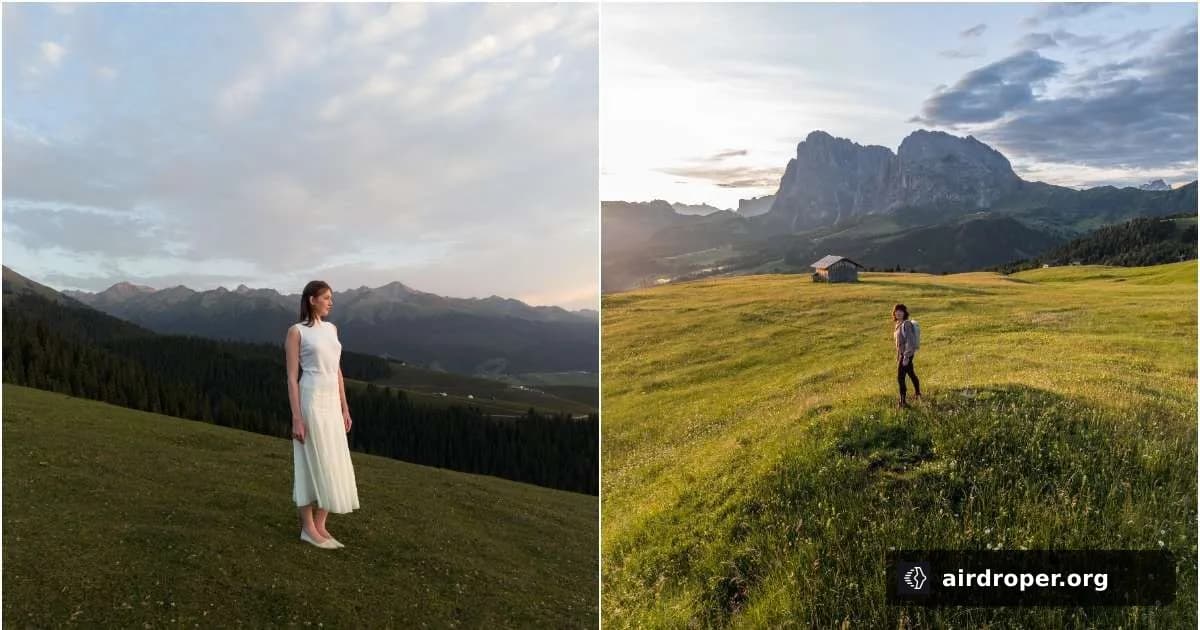
A wide aerial clip can look excellent on a TV or in a long-form edit, but it is not always ideal for mobile-first viewing. Once a horizontal shot is turned into vertical format, parts of the scene may disappear. That can be a serious issue when the composition depends on symmetry, motion, or the edges of the frame.
For creators who use drones to film travel clips, cityscapes, or dynamic outdoor scenes, the problem is easy to recognize: the material is strong, but the delivery format forces a compromise.
What recent DJI drones change
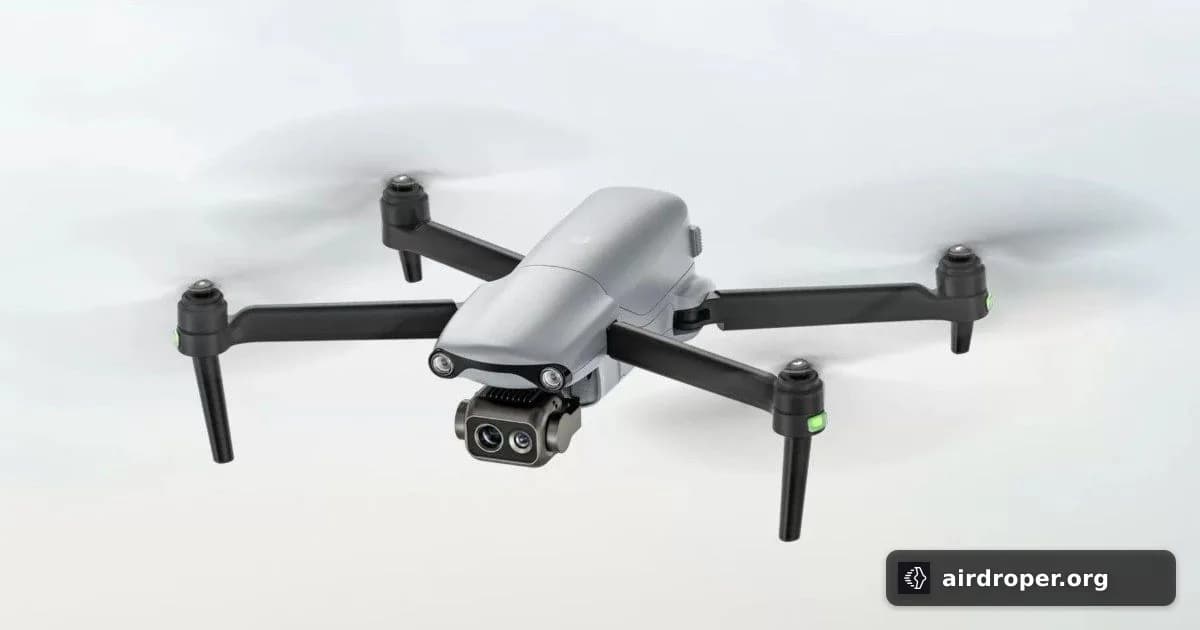
The useful part of the DJI approach is simple: on relatively recent models, creators may not need to rely on heavy cropping at all. Instead of filming in one format and adapting later, the workflow can be closer to the final destination from the start.
That matters for social content because it saves time in editing and helps preserve the image you actually wanted to capture. In practice, a vertical-friendly workflow can mean:
- better use of the smartphone screen;
- less framing loss in post-production;
- more of the original scene staying visible;
- faster turnaround for publishing.
Why creators should care
Drone footage for social media is no longer only about cinematic landscape shots. It is also about making content that feels native to the platform. If the frame is planned for vertical viewing, the operator has more control over composition and fewer limitations later in the edit.
That is especially useful for creators who publish frequently and need a fast way to turn aerial footage into short-form posts without damaging the image.
Practical takeaway
Before a flight, it is worth checking whether your drone supports the capture mode you need and how the shot reads in a vertical frame. Even with the right hardware, good results still depend on how the scene is composed in the air.
For many drone users, vertical capture is becoming a separate use case, not just an afterthought. And that makes it one of the simplest ways to keep more of the shot intact from takeoff to upload.
Related Posts
Comments
Sign in to leave a comment