
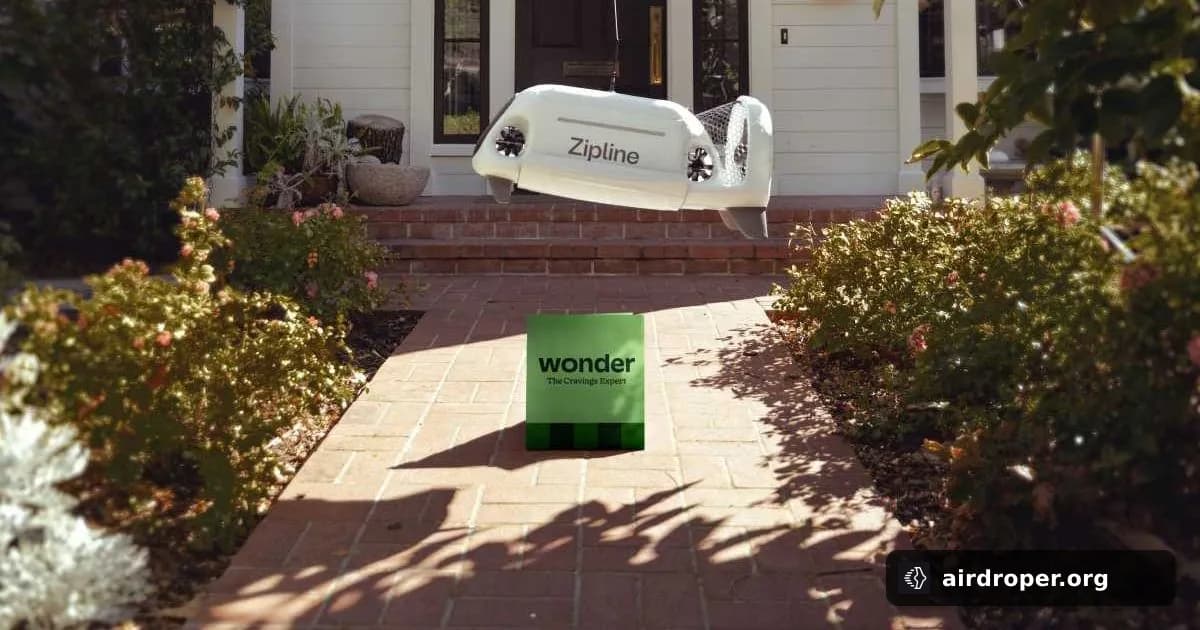
Drone Delivery Noise Is the Next Big Challenge
Quiet delivery is becoming a practical requirement
When people talk about drone delivery, the focus usually lands on speed, range, and payload. Those metrics still matter, but another issue is moving closer to the center of the conversation: noise. For neighborhoods under regular drone routes, how a drone sounds can shape acceptance just as much as how fast it arrives.
That shift changes the priorities for companies building delivery networks. The goal is no longer only to move a package from point A to point B. It is also to make the flight less intrusive for everyone nearby. In dense urban and suburban areas, a quieter drone can mean fewer complaints, better public perception, and fewer obstacles to scaling the service.
Software is part of the solution
Reducing noise is not only a hardware problem. Aircraft design, propeller choice, motor behavior, and flight profile all influence how noticeable a drone becomes in the air. Software can help by shaping how the vehicle climbs, cruises, approaches, and lands. In other words, the mission itself can be optimized to reduce the acoustic footprint.
That matters because drone delivery is no longer just a technical demo. It is becoming a real logistics tool that must fit into everyday environments. The more seamlessly it blends into those environments, the easier it will be to expand operations.
Why this matters for the industry
For operators, quieter flights can be a commercial advantage. For manufacturers, it creates a new optimization target alongside endurance and efficiency. And for customers, it raises the possibility of receiving packages without turning each delivery into a noticeable event for the entire block.
The next phase of drone delivery may not be defined by the loudest performance claims. It may be defined by the ability to do the job with minimal disruption — and that could matter more than another few minutes of flight time.
Related Posts
Comments
Sign in to leave a comment