
Drone Monitoring for Trucking Operations in Detroit
Detroit Becomes a Test Ground for Trucking Drone Monitoring
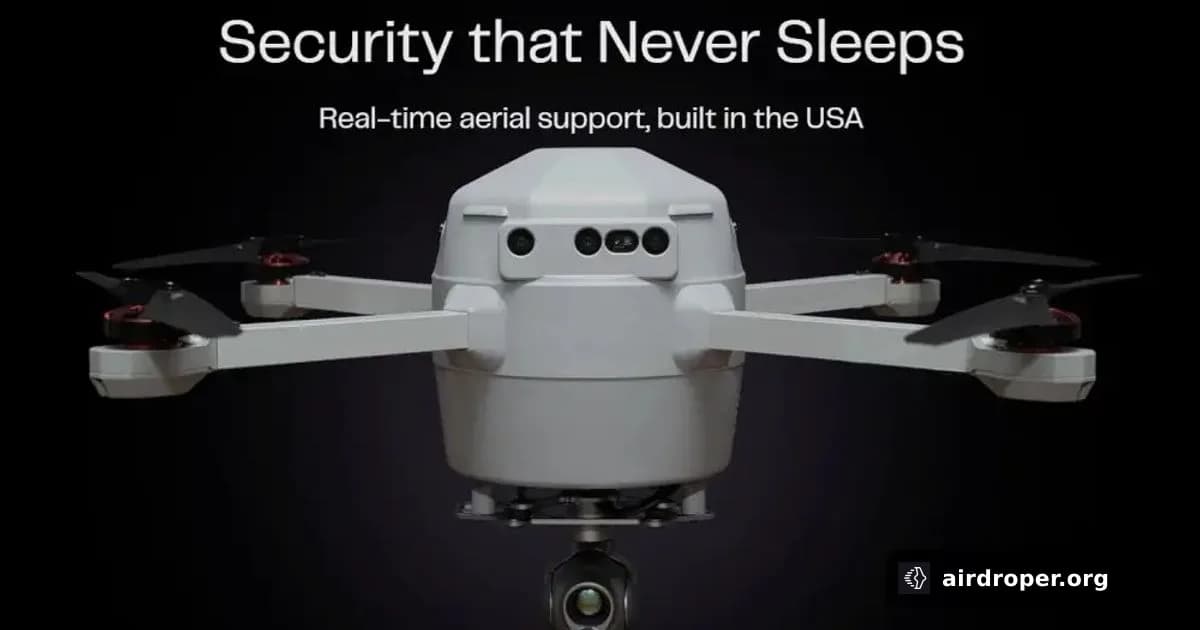
A new drone-monitoring model is entering one of the most active freight environments in the United States. According to the source, Birdstop and TSPS have launched a system in Detroit aimed at delivering real-time visibility for trucking operations.
At the center of the rollout is Birdstop’s flagship product, Fealty, positioned as a tool for continuous awareness in fast-moving commercial logistics settings. The emphasis is not on drone spectacle, but on operational control: seeing what is happening, when it is happening, and responding faster.
Why This Matters for Freight Operations
In trucking, timing and visibility are everything. Large logistics hubs depend on quick decisions, coordination across teams, and a clear understanding of activity across yards and transport routes. Drone-based monitoring can add an extra layer of oversight where ground systems may be slower or less flexible.
That makes this launch more than a local experiment. It reflects a broader shift in how UAVs are being used in industrial environments. The value is no longer limited to aerial imagery; it is increasingly tied to real-time data, situational awareness, and workflow support.
From Hardware to Service Layer
The Detroit deployment also highlights a wider trend in the drone sector: buyers are asking for complete operational solutions, not just aircraft. Software, connectivity, and the ability to fit into an existing logistics process are becoming just as important as the flight platform itself.
For trucking operators, that means monitoring tools need to be reliable, actionable, and easy to integrate into day-to-day decision-making. A drone system can be useful only if it helps teams understand what is happening on the ground and act on that information quickly.
What to Watch Next
The real test will be performance in live conditions. Key questions include:
- how stable the system remains in busy freight environments;
- how effectively it delivers real-time information;
- whether it improves dispatch and yard oversight;
- and whether the model can scale beyond Detroit.
If the approach proves effective, drone monitoring could become a practical part of modern freight management, especially in places where delays and visibility gaps carry real operational costs.
Related Posts
Comments
Sign in to leave a comment