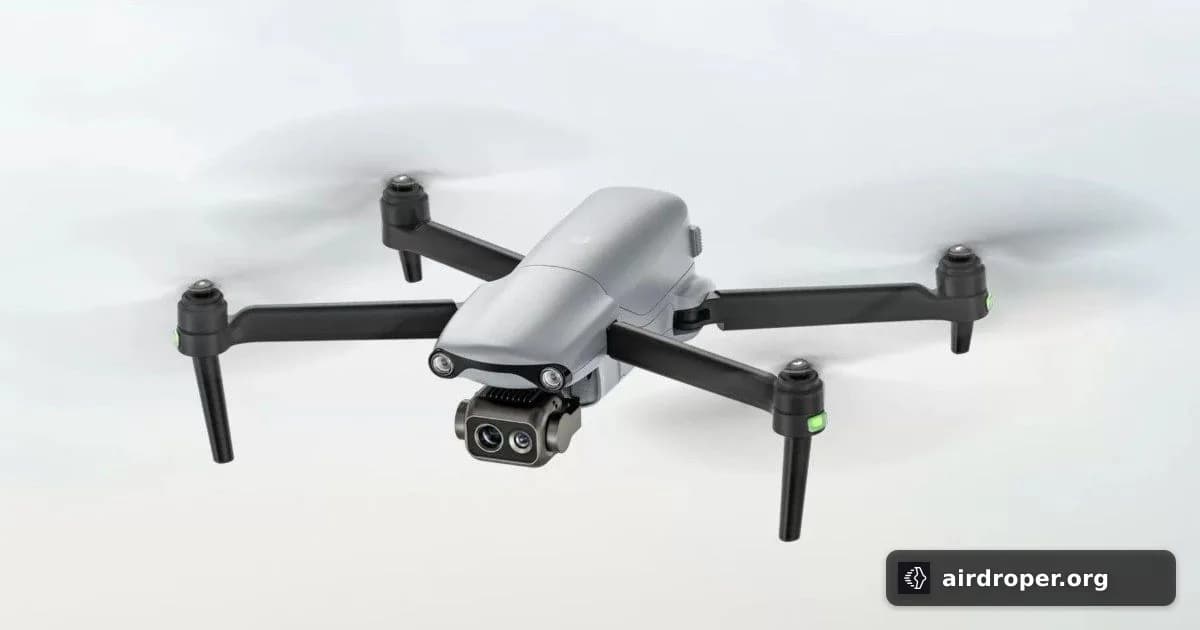
Drone Tech Is Changing Bridge Inspection
A practical shift in infrastructure checks
Bridge inspection has always been a demanding job. Engineers need to assess structural condition, spot early signs of wear, and do it without creating unnecessary disruption. On older bridges, especially masonry structures, access can be difficult and time-consuming. That is why drones are becoming a valuable tool in routine maintenance.
Why drones fit bridge work
Thousands of masonry bridges across the UK require regular inspection. Many of them are narrow, complex, and hard to reach with traditional equipment. A drone can capture detailed imagery from angles that are awkward or unsafe for a person to access, including the underside of the structure and other exposed sections.
This changes the inspection workflow. Instead of relying only on ladders, lifts, or extensive traffic management, teams can gather visual data faster and with less setup. The result is a more efficient process that still supports careful engineering assessment.
What inspectors gain
Drone surveys are useful because they help teams observe condition without direct contact and without placing staff in risky positions. They also make it easier to keep a record of visible changes over time, which is important for maintenance planning.
In practical terms, drones can support:
- faster capture of visual data;
- safer access to hard-to-reach areas;
- reduced need for heavy access equipment;
- less disruption to bridge users;
- clearer documentation for repeat inspections.
For infrastructure operators, that means earlier awareness of issues such as cracking, surface deterioration, moisture-related damage, or other visible defects that may require further review.
A tool, not a replacement
Drone technology does not replace structural engineers or detailed on-site analysis. What it does is improve the quality and speed of the first stage of inspection. That makes it easier to decide where closer investigation is needed and how maintenance resources should be prioritised.
As bridge networks age and maintenance demands grow, remote inspection methods are likely to become more common. Drones offer a straightforward advantage: they help teams see more, reach more, and interrupt less. For bridge owners and maintenance contractors, that is a meaningful step forward.
Related Posts
Comments
Sign in to leave a comment