

Eurofighter Typhoon Tests Laser-Guided Rockets Against Drone Threats
Fighter Jets Join the Counter-Drone Mission
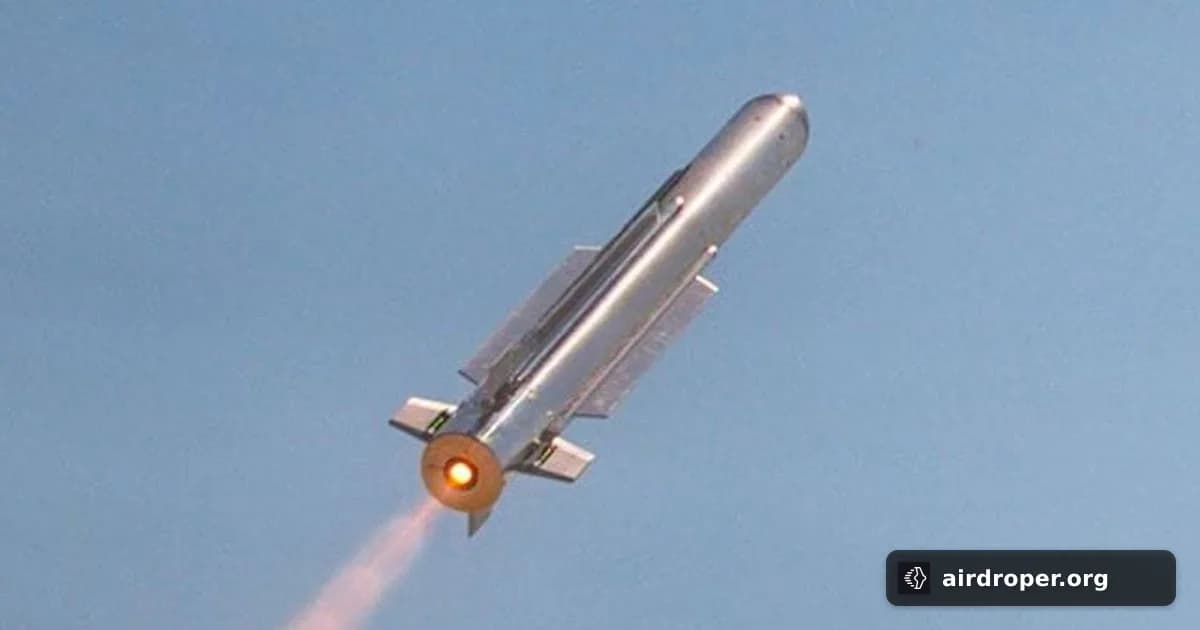
Countering unmanned aerial vehicles is no longer just a ground-based challenge. Recent test firings of laser-guided rockets from a Eurofighter Typhoon against drone-type targets signal a meaningful shift in how NATO air forces are approaching the small UAV threat.
The Problem With Conventional Air-to-Air Missiles
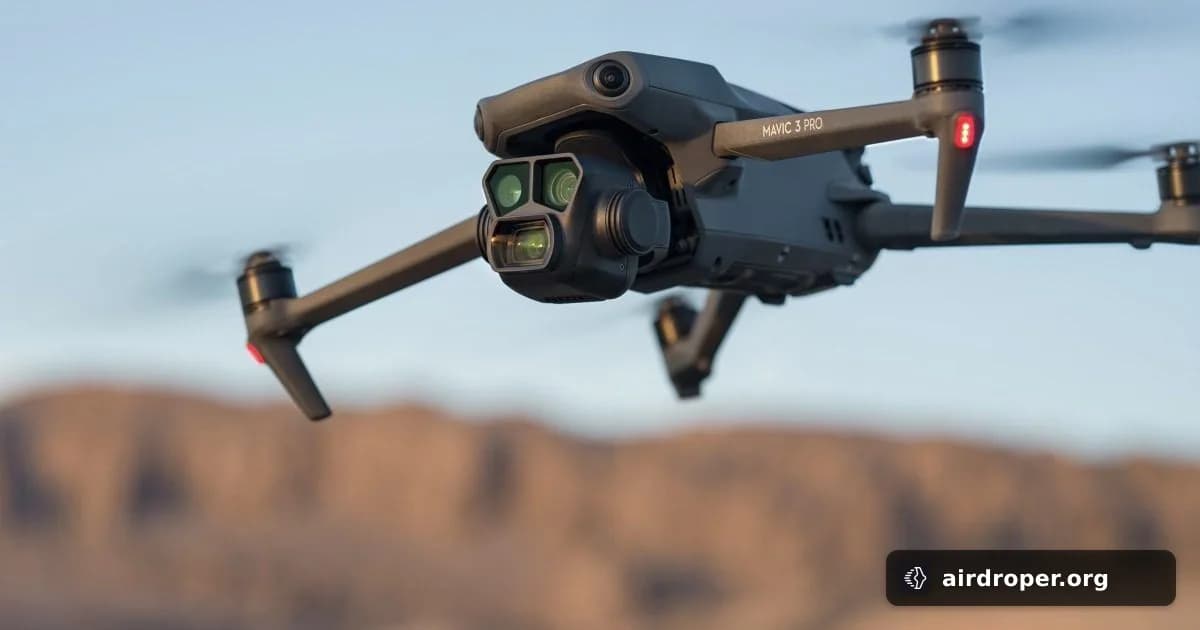
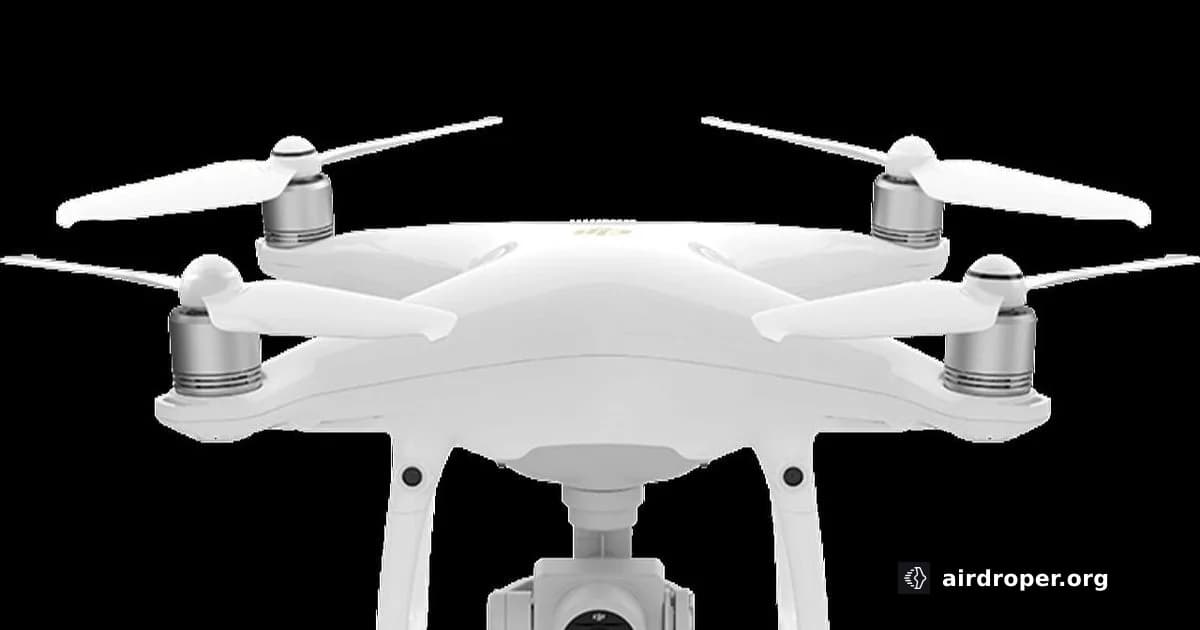
Modern air-to-air missiles were engineered to engage large, radar-reflective, heat-generating targets — enemy aircraft and helicopters. Small drones present an entirely different challenge: minimal infrared signature, reduced radar cross-section, and often erratic flight paths that confuse traditional seekers.
Laser guidance offers a practical workaround. By illuminating the target with a laser designator, the weapon homes in on the reflected energy rather than relying on the drone's own emissions. The result is a precision engagement capability against small, agile, and low-cost UAVs — exactly the category dominating modern battlefields.
Real-World Pressure Behind the Tests
The timing of these trials is not coincidental. British Royal Air Force Typhoons have already been tasked with intercepting Iranian-origin drones over the Persian Gulf, a mission that exposed a critical mismatch: sophisticated and expensive missiles being used against cheap, expendable UAVs.
From a cost-exchange perspective, this is unsustainable. Developing guided munitions that are both affordable and accurate enough for drone interception has become a strategic priority for air forces worldwide.
Broader Implications for UAV Defense
This development points to a larger trend: counter-drone capabilities are being embedded across every platform category, from dedicated ground-based systems to front-line combat aircraft. Key takeaways for the industry:
- Small UAVs have graduated to a strategic threat tier requiring purpose-built responses
- Laser guidance is emerging as a viable seeker technology for airborne counter-drone weapons
- The cost-per-kill equation must be rationalized — cheap threats demand affordable solutions
- Sensor integration and target designation are as critical as the munition itself
As manned aircraft take on counter-UAV roles more formally, the lines between air superiority and drone defense continue to blur. The technology choices made now — seeker types, warhead sizing, integration architectures — will shape aerial counter-drone doctrine for years ahead.
Related Posts
Comments
Sign in to leave a comment