
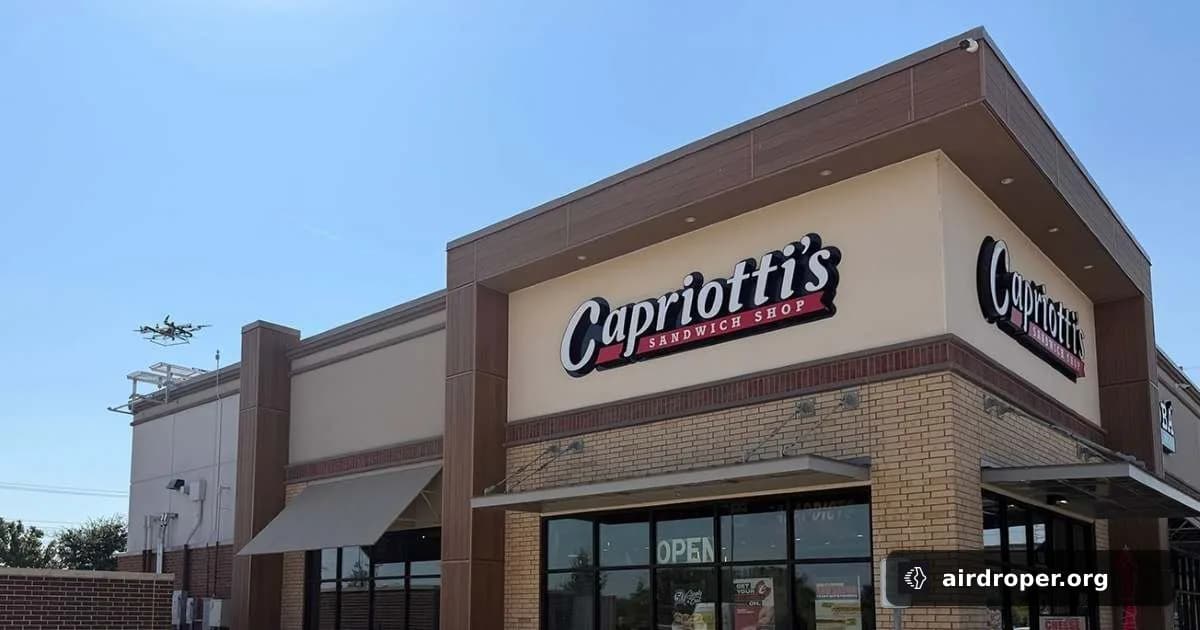
Flytrex Prepositions Drones Before Food Orders Arrive
Drone delivery is shifting from flight to flow
Drone delivery has already proven that keeping an aircraft in the air is no longer the main challenge. The harder part is operational: moving a freshly prepared meal from the kitchen to the drone fast enough to preserve speed, quality, and customer satisfaction. That handoff has often been the weak point in the chain.
Flytrex is trying to remove that delay with a simple operational change. Instead of dispatching a drone only after an order is placed, the idea is to have the drone waiting near the restaurant in advance. In practice, that means less time lost on positioning and a faster transition from order to pickup.
Why the timing matters
In food delivery, minutes are the product. A meal can cool down, packaging can sit waiting, and the customer experience can suffer if the transfer process is slow. By placing drones closer to restaurants before demand arrives, the service can better align three steps that need to happen almost seamlessly:
- the meal being prepared;
- the order being handed off;
- the drone departing for delivery.
This is less about making drones fly better and more about making the surrounding workflow smarter. It highlights a broader trend in commercial drone delivery: the winning systems may be the ones that manage logistics as well as hardware.
What this signals for the sector
The “ready before the order” approach suggests that drone delivery is entering a more mature phase. Success is no longer defined only by range, speed, or autonomy. It increasingly depends on how well the drone fits into the restaurant’s real operating rhythm.
That matters because drone delivery competes on convenience. If the platform can reduce idle time and keep the aircraft near the point of pickup, it can improve efficiency without changing the core customer experience. In other words, the next gains may come from process design rather than from dramatic changes in the aircraft itself.
Bottom line
Flytrex’s idea points to a practical lesson for the industry: the fastest delivery is not always the one with the fastest drone. It is the one with the shortest path from order to takeoff. For food delivery, that operational gap may be where the real progress happens.
Related Posts
Comments
Sign in to leave a comment