
Flytrex Adds Rooftop Docks for Faster Drone Delivery
Rooftops as a launch point for drone delivery
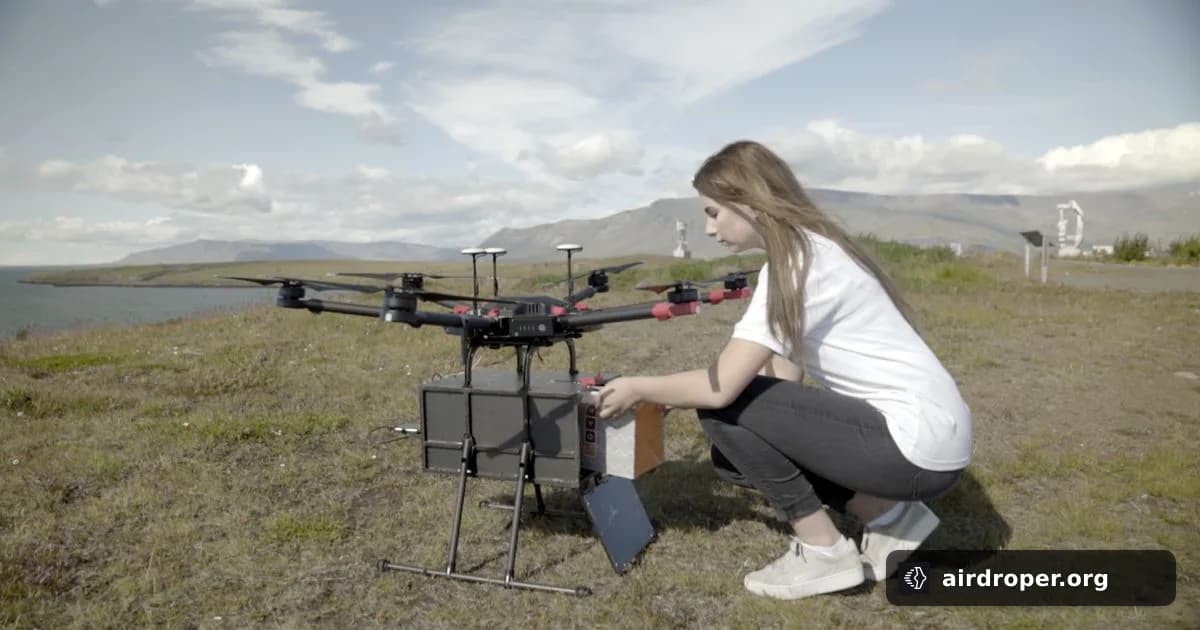
Flytrex is moving drone delivery one step closer to the customer by placing aircraft directly on merchant rooftops. Instead of relying on a distant launch site, the drones are positioned near demand, which can reduce response time and improve day-to-day operations.
What is changing
The idea is straightforward: keep drones closer to the places where orders are created. In dense urban areas, that can make a real difference. A rooftop dock shortens the route before takeoff, helping a delivery system move faster without requiring a large standalone hub.
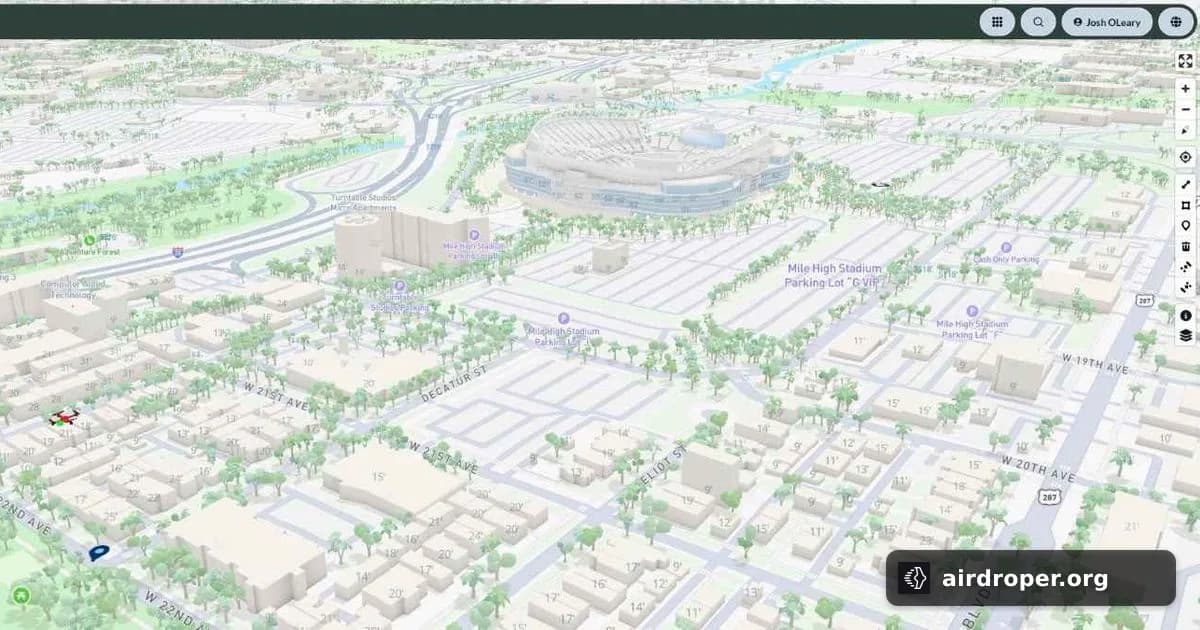
The company is also introducing AI fleet positioning, a software-driven approach to deciding where each drone should be located at any given time. Rather than treating the fleet as a fixed asset, the system can shift aircraft based on customer demand and operational needs.
That matters because drone delivery is not only about flight performance. It is also about placement, timing, and utilization. If drones are sitting in the wrong place, speed and efficiency both suffer.
Why the industry should pay attention
The biggest challenge in commercial drone delivery has always been economics. A service can be technically impressive and still fail if every mission costs too much. That is why claims of a 60% reduction in delivery costs are notable. Even without overinterpreting the figure, the direction is clear: operators are looking for ways to make drone logistics less expensive and more repeatable.
A rooftop-based model can support that goal in several ways:
- less dead time before a mission begins;
- better readiness during peak ordering periods;
- more efficient use of the fleet;
- less dependence on large dedicated logistics sites.
A sign of a maturing delivery model
The story here is not just about a new dock. It is about a shift in how drone delivery networks are designed. The next phase of the market is increasingly about system architecture: where drones live, how they are moved, and how software matches supply with demand.
If rooftop prepositioning and AI fleet management continue to work in practice, they could become a blueprint for operators trying to scale urban drone delivery without building expensive new infrastructure from scratch.
Related Posts


Comments
Sign in to leave a comment