General Atomics Boosts FQ-42 CCA Production
Production for combat drones is moving toward scale
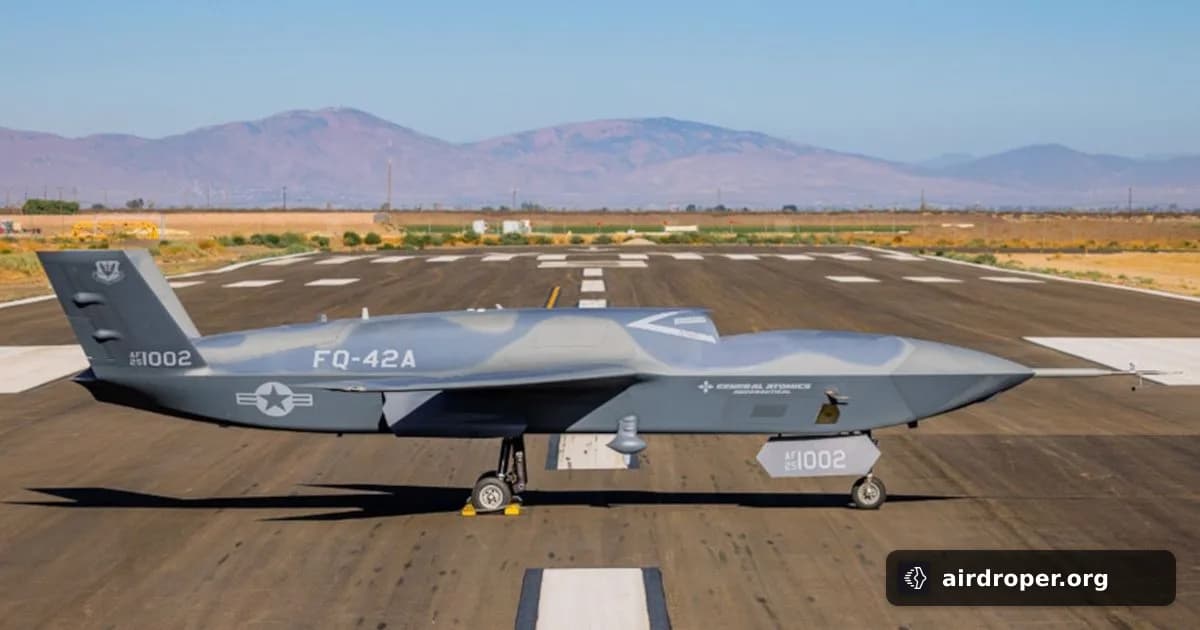
General Atomics is preparing to accelerate production of its FQ-42 CCA with help from Spirit Defense, a Boeing-related subsidiary. The move comes as the U.S. Air Force continues to push for more fighter drones over the next several years, turning industrial readiness into a central part of the program.
For the CCA effort, this matters as much as the airframe itself. Prototypes can prove a concept, but operational value depends on whether a manufacturer can move from limited builds to a reliable production line. In modern defense aviation, that transition is often the hardest step.
Why the partnership matters
Bringing in Spirit Defense suggests a focus on manufacturing capacity and supply-chain resilience. For a complex UAV, production is not just final assembly. It includes component sourcing, electronics integration, testing, and quality control at every stage.
That kind of support can make a difference when a program is expected to scale quickly. It also helps reduce pressure on the main contractor and creates a clearer path from development to serial production. In practice, that is exactly what many next-generation drone programs need: not only a capable platform, but also an industrial system that can deliver it repeatedly and on time.
What it signals for the UAV market
The FQ-42 ramp-up reflects a broader trend in military UAV development. Demand is shifting toward autonomous and semi-autonomous systems that can operate alongside crewed aircraft. As that demand grows, production speed becomes just as important as performance.
This also highlights a less visible part of drone competition: manufacturing. Companies are no longer competing only on range, payload, or avionics. They are also competing on how quickly they can build, test, and field aircraft at scale.
For the wider market, the message is clear. The next phase of military drone development will be shaped not only by design innovation, but by industrial capacity and supply-chain strength. Programs like CCA will increasingly depend on both.
Related Posts
Comments
Sign in to leave a comment