Mid-Air Recharging: K1000ULE Powers Up via Laser Without Landing
A New Standard for UAV Endurance
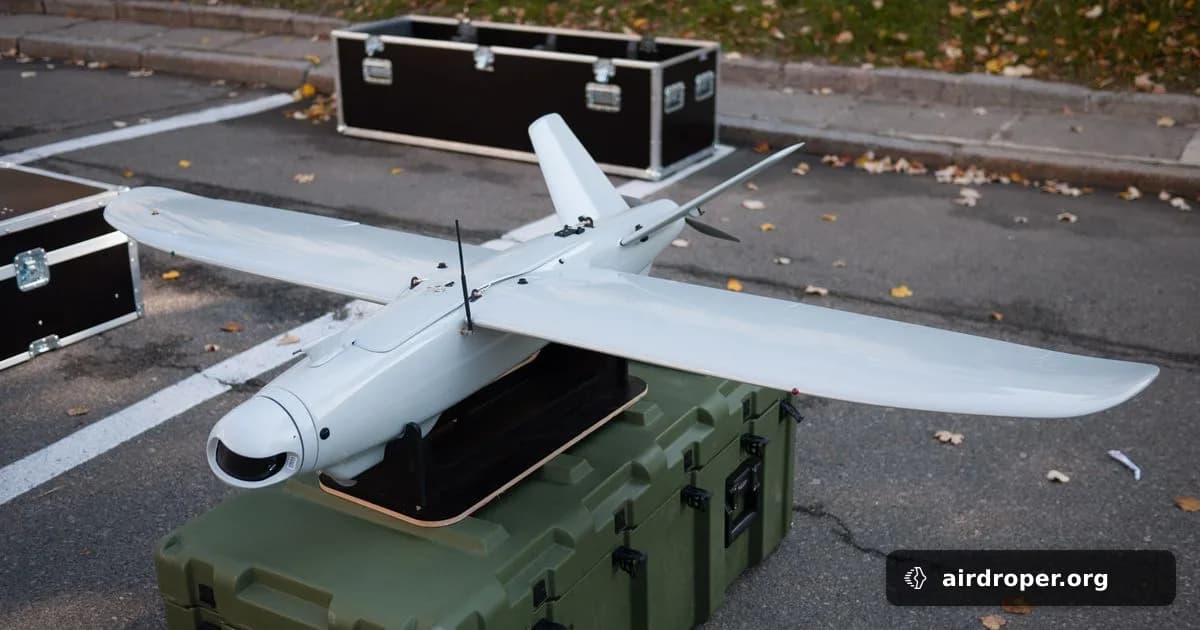
Kraus Hamdani Aerospace has achieved something the drone industry has been working toward for years: recharging a UAV's batteries during flight, without landing, without cables, and without any physical connection to the ground.
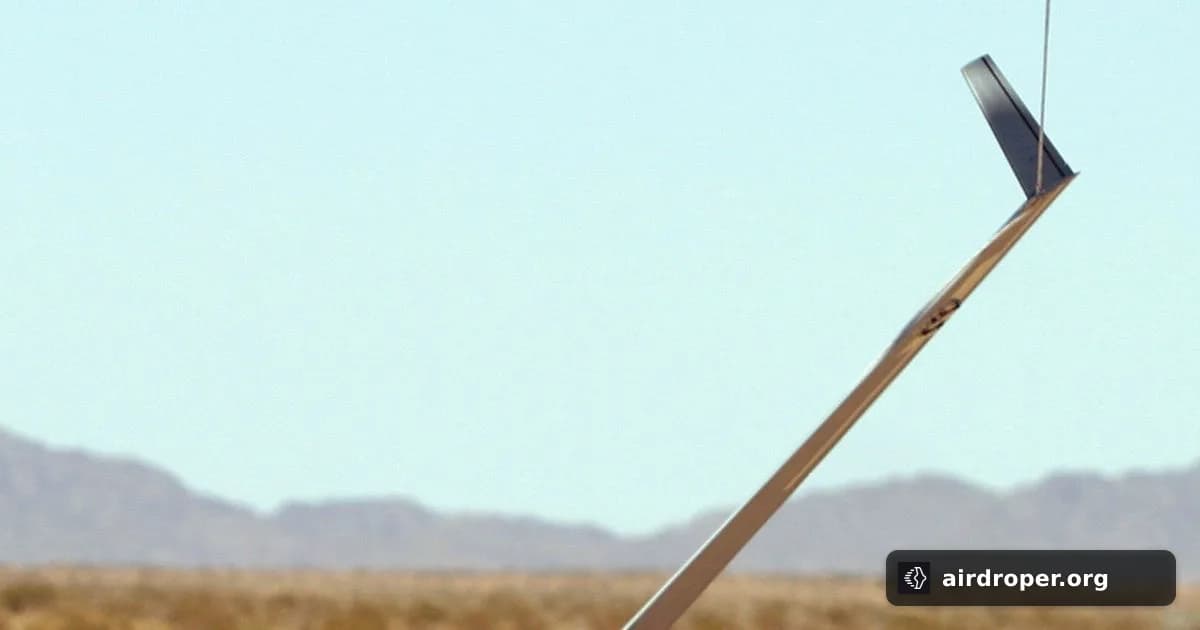
The K1000ULE unmanned system demonstrated laser power beaming technology in what the company describes as a historic aviation first. A directed energy beam transmitted from a ground source is converted onboard into electrical energy, keeping the aircraft flying indefinitely.
The "Neverland" Concept
The manufacturer introduces the term "Neverland" to describe this new operational paradigm — an aircraft that is no longer bound by battery cycles and can, in principle, remain on station around the clock. Potential mission profiles include:
- Continuous border surveillance without aircraft rotation
- Critical infrastructure monitoring over extended periods
- Persistent ISR operations where uninterrupted coverage is essential
Solving the Endurance Trade-Off
Operators have traditionally faced a binary choice: tethered drones offer unlimited power but restrict movement; free-flying UAVs offer full maneuverability but are limited by battery capacity.
The K1000ULE effectively eliminates this trade-off. With laser recharging, the aircraft retains complete freedom of movement while gaining what amounts to indefinite flight endurance — provided the ground-based laser source maintains line of sight.
Open Questions
Laser power beaming has existed as a concept for decades, but translating it into a reliable, real-world flight system introduces significant engineering challenges:
- Beam tracking accuracy on a moving airborne target
- Energy conversion efficiency from photons to usable electrical power
- Atmospheric interference — cloud cover, rain, or fog can attenuate the beam
The successful demonstration suggests these challenges are increasingly manageable. If the technology scales to operational platforms, it could redefine mission planning for long-endurance UAVs across military, border security, and civilian applications alike.
Related Posts
Comments
Sign in to leave a comment