
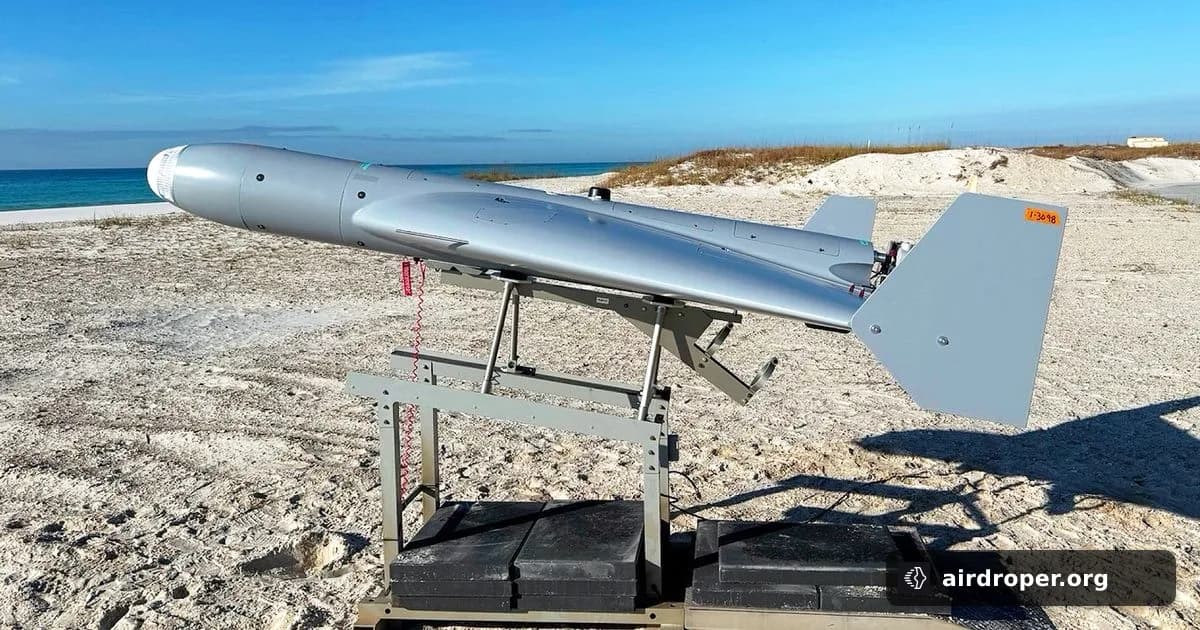
LUCAS Gets Hivemind Swarming Capability
LUCAS is moving toward swarm operations
The U.S. military’s LUCAS loitering munition, often compared in concept to the Shahed-136, is being set up for a new phase of capability: cooperative swarming. Shield AI is providing the Hivemind software that unlocks that potential and turns the drone from a standalone weapon into part of a coordinated system.
That matters because the value of a strike drone is no longer determined only by range or payload. Software now plays a central role in how effectively a platform can operate once it is airborne. With swarm logic, multiple drones can be organized to work together rather than simply fly the same mission in parallel.
Why swarm software matters
Hivemind is designed to help unmanned systems behave like a team. In practice, that means the drones can coordinate actions, adapt to changing conditions, and share the load of a mission without constant direct control from an operator.
For a combat-proven platform like LUCAS, that could significantly increase its lethality. A single drone is one problem for air defenses. A group acting cooperatively creates a much more complicated challenge.
The broader trend is clear: modern UAV development is increasingly driven by autonomy, networking, and machine-enabled coordination. The hardware still matters, but the edge often comes from the software layer that decides how a system reacts in real time.
What to watch next
The most important question is how the new capability will shape LUCAS employment in practice. If swarming is implemented in a meaningful way, it will reinforce a lesson seen across the drone sector: the future of strike UAVs is as much about connected behavior as it is about the airframe itself.
Related Posts

Comments
Sign in to leave a comment