
Eve Completes Hover and Low-Speed Flight Block
Eve moves closer to transition-flight testing
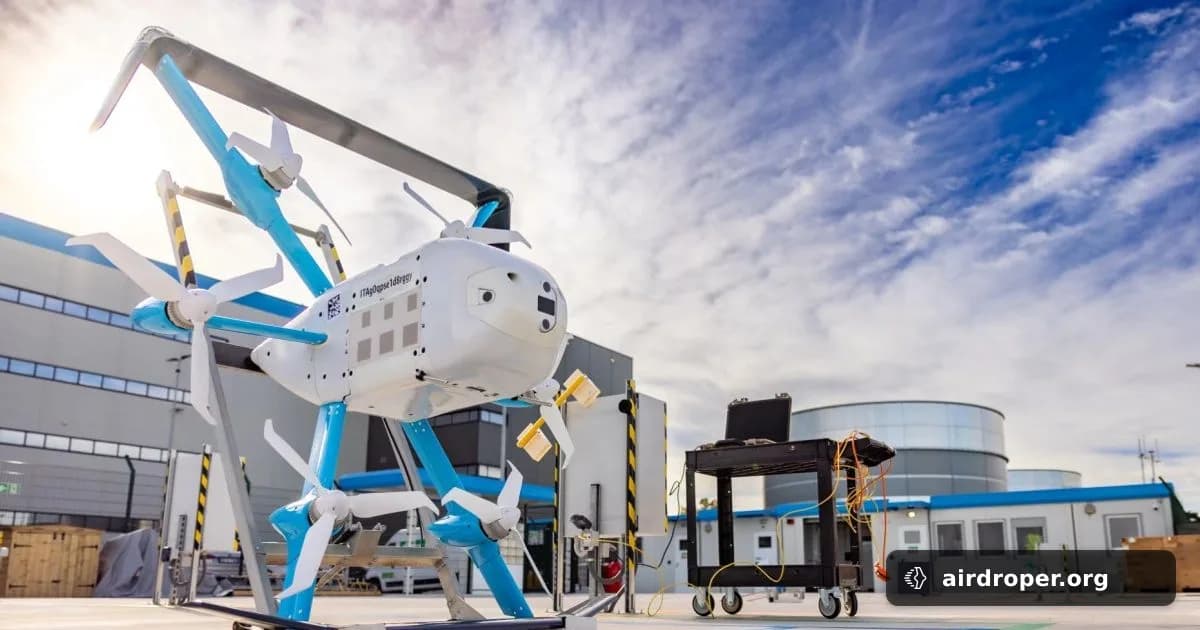
Eve Air Mobility has completed a flight-test block focused on hover and low-speed operations. For an eVTOL program, this is a meaningful milestone: it confirms that the aircraft can remain controllable in the most fundamental flight regimes before moving into more demanding test phases.
The company says the next step is preparing for transition flight testing, where the aircraft must shift between vertical lift and wing-borne flight. That phase is often seen as one of the most technically sensitive parts of an eVTOL campaign, because it depends on precise control logic, stable aircraft behavior, and reliable response from onboard systems.
Why this matters
Hover and low-speed testing usually serve several purposes in eVTOL development:
- they validate aircraft handling in a controlled environment;
- they help teams assess flight-control response;
- they build confidence before transition maneuvers are attempted;
- they reduce technical risk for later test stages.
At this point, the flight controller and associated electronics play a central role. They must keep the aircraft stable in conditions where it is neither operating like a conventional airplane nor like a standard multirotor. That mix of aerodynamic regimes is exactly what makes eVTOL development so demanding.
A step forward, not the finish line
Completing a hover and low-speed block does not mark the end of the program, but it does show steady progress toward a more advanced phase of testing. For the broader advanced air mobility sector, milestones like this indicate that prototype work is continuing to move from baseline validation toward the complex task of flight transition and, eventually, certification-focused testing.
Transition flight remains one of the key hurdles in eVTOL design. Each successful test block helps refine control behavior, improve safety logic, and de-risk the next stage of development.
Related Posts


Comments
Sign in to leave a comment