America's Shahed-136 Clone: How a Kamikaze Drone Became an Indispensable Weapon
From Concept to Combat: The LUCAS Program
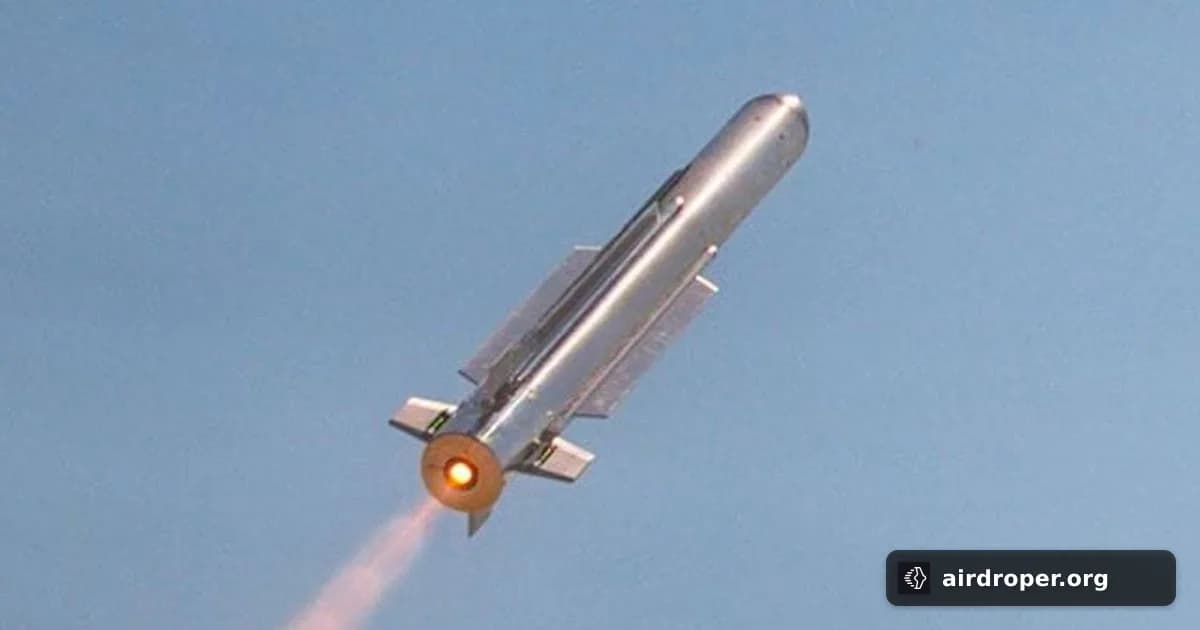
When Russia began deploying Iranian-made Shahed-136 kamikaze drones against Ukraine at scale, defense establishments around the world took notice. The drone's simple yet devastatingly effective design caught the attention of U.S. military planners, who went beyond mere analysis — they launched their own program to develop a comparable system, known as LUCAS.
What LUCAS Is and Why It Matters
LUCAS is a U.S. program aimed at developing a low-cost, one-way attack drone broadly similar in concept to the Shahed-136. The goal isn't imitation for its own sake — it's a pragmatic acknowledgment that cheap, mass-producible, long-range loitering munitions have fundamentally changed modern warfare.
What makes these systems so operationally attractive:
- Low unit cost compared to conventional cruise missiles
- Ability to saturate air defenses through sheer volume
- Simplified logistics and rapid deployment
- Extended range at a fraction of traditional munition costs
Lessons Learned from Ukraine
The war in Ukraine has provided a real-world stress test for this class of weapon. Technologically advanced militaries have found themselves strained by waves of relatively inexpensive drones. The cost asymmetry is stark — intercepting a single Shahed often costs multiples of the drone's production price, a dynamic that steadily erodes defensive capacity.
This reality accelerated Pentagon interest in developing equivalent U.S. platforms. If adversaries can leverage these systems so effectively, American forces need comparable capabilities in their own arsenal.
Challenges Ahead
Integrating mass one-way attack drones into U.S. military doctrine raises legitimate questions:
- How do loitering munitions fit into existing command-and-control frameworks?
- What legal and ethical standards govern their use?
- Can production scale fast enough to meet wartime demand?
The LUCAS program reflects a broader strategic shift: modern militaries are rethinking the balance between expensive precision systems and affordable high-volume solutions. The future likely lies in combining both approaches — and the U.S. is actively working to define its role in this new paradigm.
For developers of flight control systems and avionics, this trend signals a clear market signal: demand for compact, reliable, and cost-efficient autopilot solutions for expendable platforms is growing rapidly across the global defense sector.
Related Posts
Comments
Sign in to leave a comment