

Interceptor Drones Battle-Tested in Ukraine Now Shield U.S. Forces from Iranian Shaheds
Ukraine as the World's Drone Testing Ground
The ongoing conflict in Ukraine has become the most significant real-world proving ground for unmanned aerial systems in modern history. Among the most valuable lessons emerging from this conflict: relatively low-cost interceptor drones can effectively counter kamikaze UAVs — a finding that is now influencing military doctrine well beyond Eastern Europe.
The Merops Interceptor
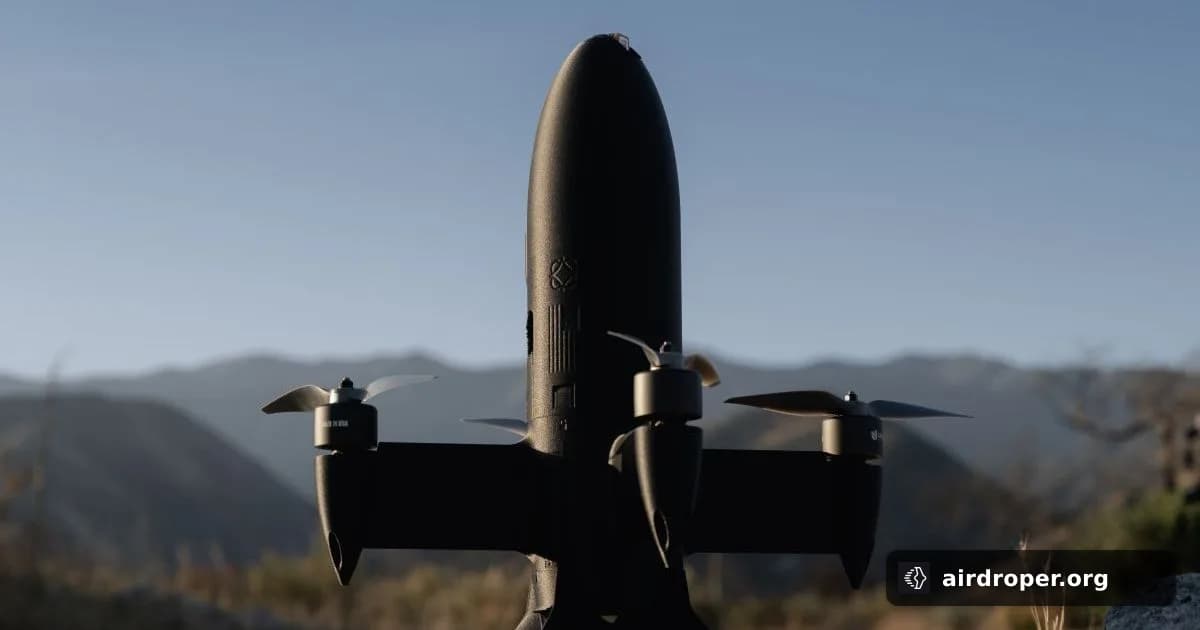
The Merops drone is one system that has drawn significant attention after proving itself in Ukrainian airspace. Designed specifically to neutralize slow-flying but lethal loitering munitions, Merops operates on a straightforward strategic principle: counter an inexpensive threat with an inexpensive platform, rather than expending costly surface-to-air missiles.
This logic has become increasingly important as mass Shahed drone strikes — Iran's signature loitering munition — have demonstrated just how unsustainable it is to intercept every incoming UAV with high-value missile systems.
Combat Validation Against Iranian Shaheds
U.S. Army leadership has publicly praised Merops for its performance defending American troops against Iranian-supplied Shahed loitering munitions. The system demonstrated the ability to:
- Detect and intercept incoming kamikaze drones
- Protect personnel in high-threat operational environments
- Operate with minimal human oversight, reducing response time and personnel risk
Broader Implications for Counter-UAS Development
The Merops success story reinforces a growing consensus in defense circles: asymmetric counter-drone solutions represent the most practical path forward for modern air defense.
Ukraine's experience absorbing and adapting to mass drone warfare has already reshaped procurement priorities across multiple NATO member states. The U.S. military's adoption of a battle-tested interceptor concept speaks to how seriously these lessons are being taken at the highest levels of defense planning.
For the broader UAV industry, this signals clear market direction: demand for compact, cost-effective, and electronically resilient interceptor platforms will only grow. Key engineering priorities going forward include precision guidance, resistance to electronic warfare, and the ability to manufacture at scale.
Related Posts
Comments
Sign in to leave a comment