
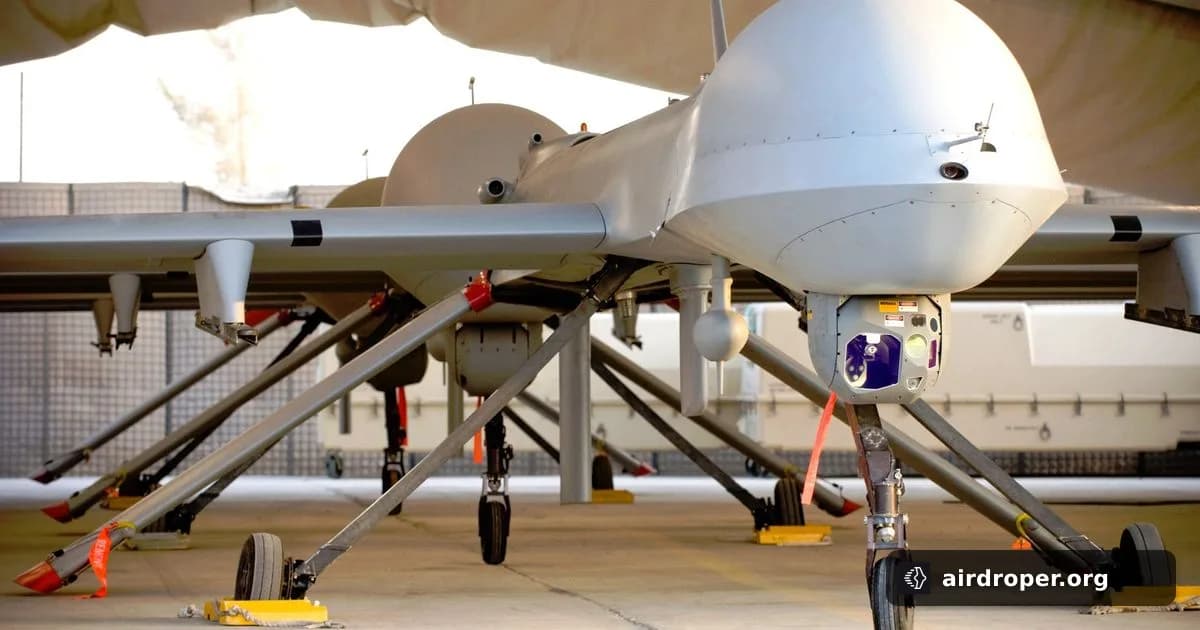
MQ-1 Predator’s Second Life in a Specialist Role
A drone’s life does not always end at retirement
The MQ-1 Predator is one of the most recognizable UAVs of its era. What is less visible is that a small number of these aircraft have continued flying after leaving regular Air Force service, taking on a narrow, specialized mission set.
This is not a broad return to frontline use. Instead, it is a quiet second chapter for a limited fleet. That makes the Predator a useful case study for the UAV sector: a platform that is no longer ideal for primary combat tasks may still have real value in test, training, or other specialized roles.
Why older UAVs stay useful
Keeping a few legacy aircraft operational can make sense for military and test organizations. They can support several practical needs:
- procedures can be practiced without tying up newer, more expensive systems;
- new equipment can be evaluated in a familiar and controlled environment;
- crews can train on proven hardware before moving to newer platforms.
For that reason, older UAVs often remain relevant long after they lose their place in the main fleet.
What the Predator example tells us
The MQ-1’s second life highlights an important point in unmanned aviation: retirement from frontline service does not always mean the end of usefulness. If parts are available, maintenance is manageable, and the mission is clear, an airframe can continue contributing in a secondary capacity.
For manufacturers and operators, the lesson is straightforward. Platforms that are easier to maintain, adapt, and integrate can stay useful for longer. That does not make them cutting-edge, but it does extend their operational value.
Bottom line
The MQ-1 Predator is no longer a headline-grabbing combat UAV, yet a small fleet of these drones still has a place in a specialized environment. Its story shows how aging airframes can remain relevant when they are matched with the right task and support structure.
Related Posts
Comments
Sign in to leave a comment