
Pentagon Memo Tightens the Screws on DJI's US Comeback
Pentagon's New Memo Dims DJI's Hopes for a US Comeback
DJI's efforts to challenge its standing on US government restriction lists have hit another wall. A new internal Pentagon memo has reportedly added bureaucratic and legal layers that make it significantly harder for the Chinese drone giant to reverse its status — even partially.
Why DJI Is Restricted in the First Place
DJI has been under mounting US regulatory pressure for years. The company appears on several US restriction and sanctions-adjacent lists due to concerns around:
- Data security — potential exposure of video feeds and telemetry to Chinese state entities;
- Dual-use technology applicable to both civilian and military operations;
- Supply chain ties linked to Chinese state-affiliated enterprises.
Despite commanding a dominant share of the global consumer and commercial drone market, DJI's position in the United States continues to erode.
What the New Memo Changes
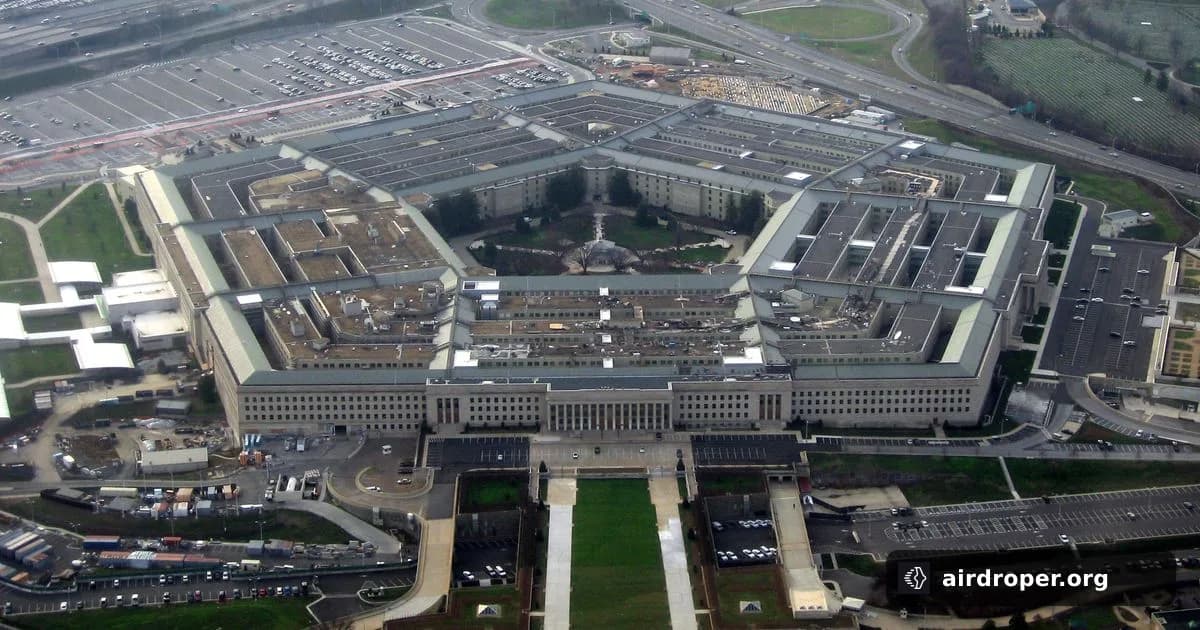
The Pentagon document reportedly formalizes additional restrictions on the use of Chinese-manufactured drones within federal agencies and raises the bar for removal from relevant lists. In practical terms, any path DJI might have had toward a partial reinstatement is now considerably narrower.
The message to the broader industry is clear: regulatory pressure on foreign-made drones in the US is intensifying, not easing.
Market Implications
The tightening environment creates opportunity for domestic and allied-nation manufacturers. The Department of Homeland Security's Blue UAS program — which certifies "trusted" drone platforms — is already building an alternative ecosystem, with beneficiaries spanning US, Australian, and other partner-nation companies.
This dynamic reflects a broader global trend: governments are increasingly selecting drone suppliers based on geopolitical alignment and supply chain transparency, not just price and performance specs.
What Comes Next
DJI will likely continue its legal and lobbying efforts, but the Pentagon's memo signals a lack of administrative appetite for loosening restrictions in the near term. Federal procurement remains off-limits, and pressure on DJI's commercial presence in the US shows no signs of abating.
For drone manufacturers and avionics developers worldwide, the takeaway is straightforward: regulatory landscapes are shifting fast, and platform flexibility — including the ability to pivot between suppliers — is becoming a genuine competitive advantage.
Related Posts
Comments
Sign in to leave a comment


