
First Air Force C-UAS Deployment in Resilience Ops
Counter-drone systems move deeper into base defense
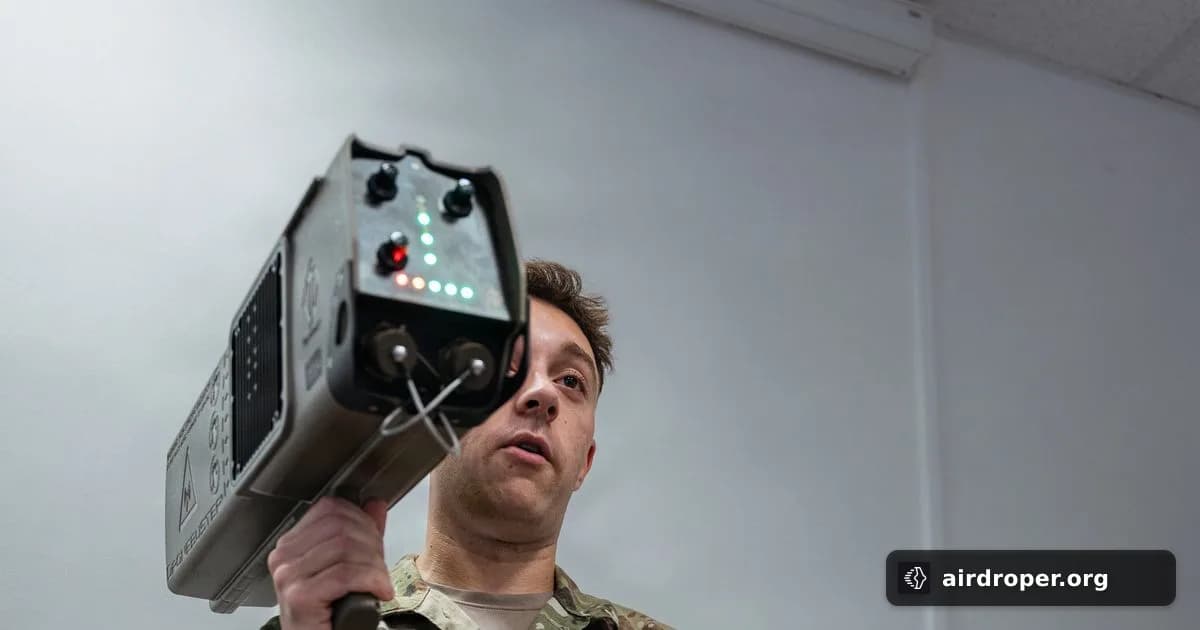
Simplesense and Digital Force Technologies have announced a $3.4 million award to integrate DFT’s SeraphimOS™ sensor into Air Force installation resilience operations. According to the announcement, this is the first Air Force deployment of the counter-drone system in that role.
Why this matters
The key point is not simply the purchase of a drone-detection sensor. The project places C-UAS capability inside a broader resilience framework, where air threats are treated as part of overall base protection and continuity planning.
That approach matters because modern military installations do not face a single threat type. They operate in environments where surveillance, response, communications, and perimeter security have to work together. A counter-drone system becomes more valuable when it can feed into that larger picture instead of standing apart from it.
For base operators, this kind of deployment can support several priorities:
- earlier detection of low-altitude aerial threats;
- a more complete air picture for security teams;
- easier alignment with existing command and security workflows;
- better readiness for drone-related incidents.
A sign of where the market is heading
Counter-drone technology has been moving from isolated demonstrations toward operational use. That shift changes what buyers expect. Detection accuracy still matters, but so do integration, interoperability, and the ability to fit into existing defense infrastructure without disrupting it.
That is why announcements like this draw attention: they show C-UAS becoming part of the security architecture itself, rather than an add-on installed after the fact.
For the UAV and counter-UAS sectors, the message is clear. Demand is increasingly focused on integrated systems that can operate in complex environments and support real-world missions, not just stand-alone tests.
Related Posts

Comments
Sign in to leave a comment