South Korea Adds Global 6500 Jamming Jets
A new airborne EW layer for South Korea
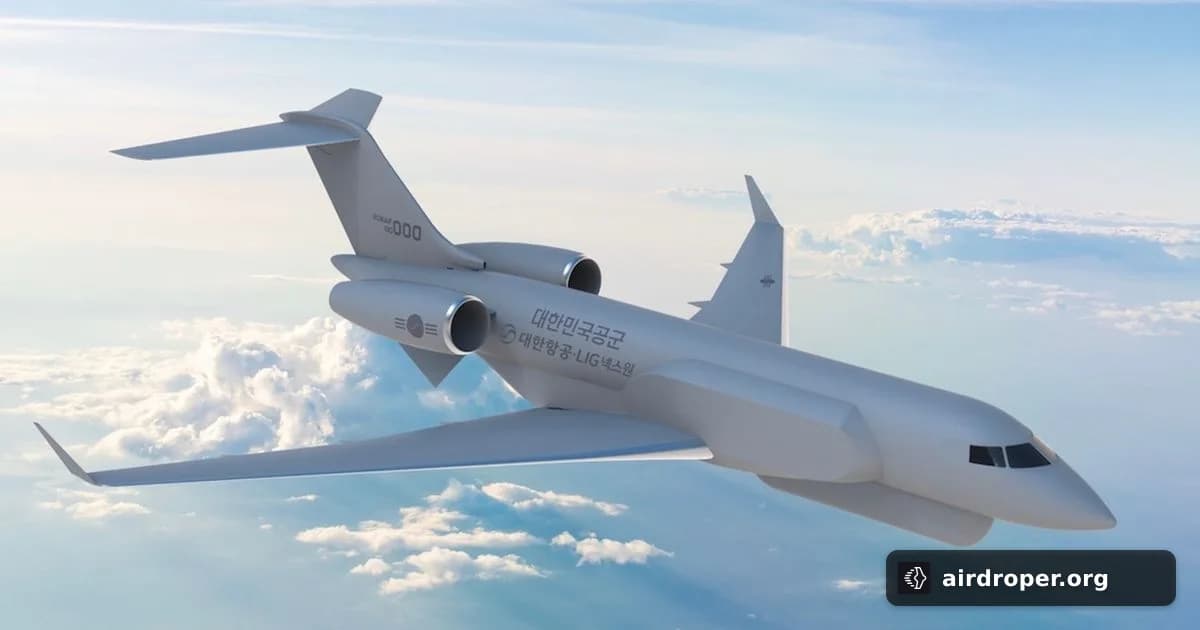
South Korea is moving to strengthen its electronic warfare posture by converting two Bombardier Global 6500 aircraft into jammer platforms. The work will be carried out by Korean Air, turning the business jet airframe into a more specialized tool for suppressing enemy systems and supporting national defense missions.
The key point is not just the aircraft itself, but what it represents: a stronger sovereign EW capability. By developing and integrating this kind of platform at home, Seoul gains more control over configuration, upgrades, and operational use. That matters in a domain where flexibility and independence are often as important as raw performance.
Why a business jet makes sense
At first glance, a Global 6500 may look like an unusual choice for an electronic attack role. In practice, however, long-range business jets are often attractive for special mission conversions. They offer an efficient airframe, enough internal volume for mission equipment, and the endurance needed for extended operations.
For an EW aircraft, those qualities are valuable. Jamming missions depend on sensors, processors, antennas, and system integration that must work reliably together. A platform with strong range and a stable baseline can be adapted for that task without starting from scratch.
Using two aircraft also suggests the program is meant to become an operational capability rather than a one-off demonstration. That gives South Korea options for availability, mission planning, and future refinement of the onboard suite.
What this means operationally
An airborne jammer can support a wide set of missions. In broad terms, it can help:
- shield friendly forces from detection;
- complicate enemy radar performance;
- disrupt communications and other electronic systems;
- expand the tools available in air and ground operations.
Electronic warfare has become a core part of modern military planning because the battlespace is increasingly defined by sensors, links, and networks. Countries that can build and sustain their own EW assets gain more freedom to operate and more leverage in contested airspace.
For South Korea, the Global 6500 project is therefore more than an aircraft conversion. It is a step toward a more self-reliant and more capable approach to electronic combat, built around a platform that can be adapted to evolving threats.
Related Posts
Comments
Sign in to leave a comment