Defending the Fleet: How Anti-Drone Systems Are Reshaping Naval Security
The Growing Aerial Threat to Naval Forces
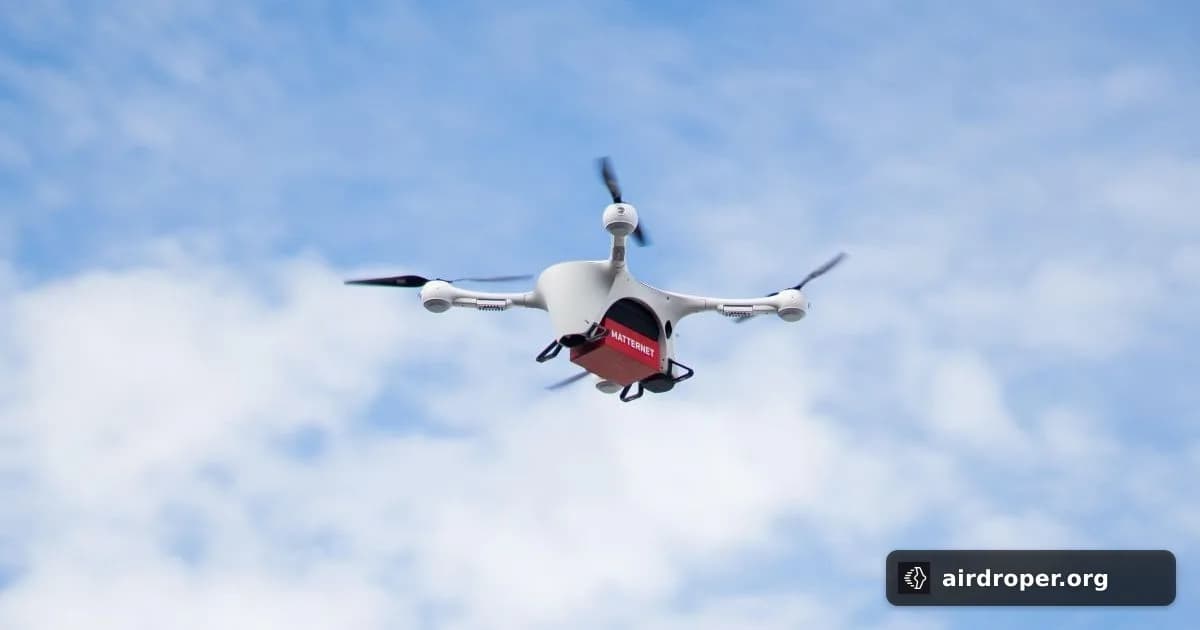
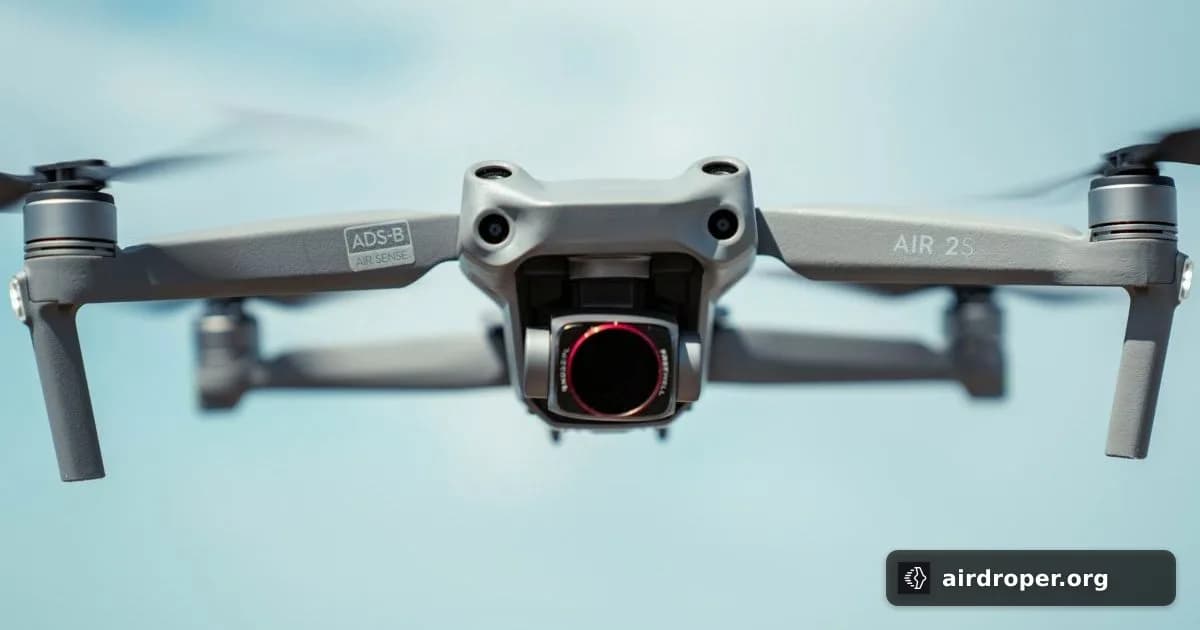
Unmanned aerial vehicles are no longer just a land battlefield concern — they have become a credible and growing threat to naval assets worldwide. Modern fleets are being forced to rethink how they protect surface vessels from drone attacks, and defense contractors are responding with increasingly sophisticated solutions.
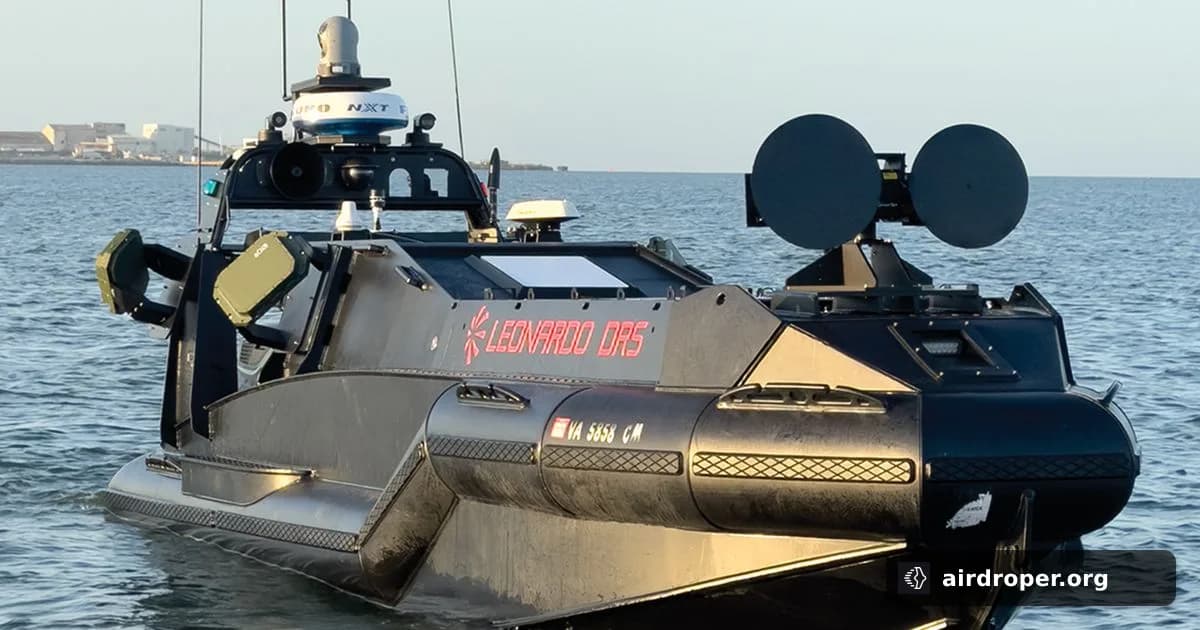
A key emerging concept is the modular mission equipment package — a self-contained system that can be integrated onto various vessel types without requiring extensive structural modification to existing platforms.
Why Naval Counter-UAS Is Uniquely Challenging
Protecting ships from drones presents a distinct set of engineering and operational challenges compared to land-based scenarios:
- Limited deck space for mounting additional hardware
- Harsh operating conditions — saltwater corrosion, humidity, and constant vibration
- Target discrimination — distinguishing hostile UAVs from civilian aircraft in busy maritime corridors
- System integration — ensuring new equipment works seamlessly with existing radar, fire control, and sensor networks
Effective naval counter-drone solutions typically layer multiple capabilities: electronic warfare and jamming, directed-energy or kinetic intercept systems, and robust detection and classification sensors.
Modularity as a Strategic Priority
One of the defining trends in this space is the push for modularity. Navies need systems that can be rapidly deployed across a wide range of platforms — from small patrol boats to larger combatants — and upgraded as threats evolve.
This approach offers several advantages:
- Faster fielding of new capabilities
- Reduced lifecycle costs
- Greater flexibility to adapt to new threat profiles
Broader Industry Implications
The proliferation of low-cost commercial drones adapted for military use is compressing development timelines for counter-UAS systems. At the same time, these systems must be intelligent enough to minimize false positives in complex maritime environments.
For the wider UAV electronics and components industry, this dynamic creates opportunities on both sides: developing more capable countermeasures, and building UAV hardware that is more resilient against jamming and electronic attack.
Naval counter-drone technology is one of the fastest-moving segments of the defense market — and the standards it sets are increasingly shaping the broader unmanned systems sector.
Related Posts
Comments
Sign in to leave a comment