Tallinn Team Reaches Anduril’s AI Grand Prix Final
A team from Tallinn and Prague made the final
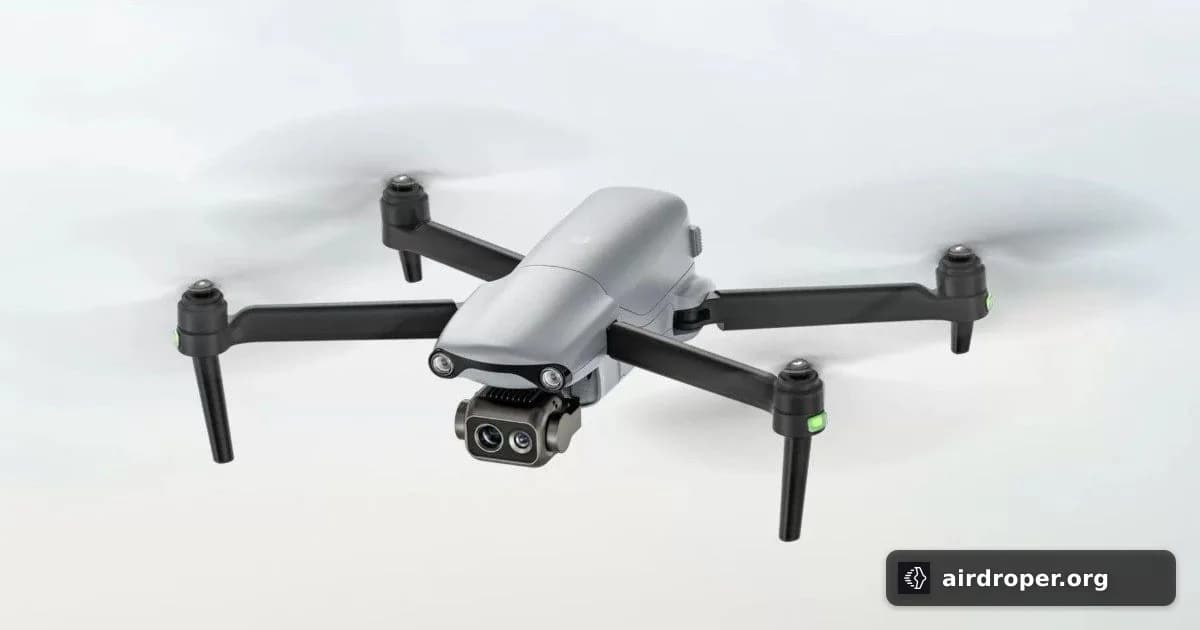
A three-person team based in Tallinn and Prague advanced to the final of Anduril’s AI Grand Prix, a global competition for drones that fly on their own. In the qualifying stage, the team placed 9th among more than 3,000 entries, a strong result in a field that has grown quickly and become increasingly technical.
Why this format matters
AI Grand Prix highlights how fast autonomous systems are moving from concept to competition-ready hardware. In this kind of race, success depends on much more than airframe design or motor performance. Navigation logic, stabilization, perception, and real-time decision-making all matter at once.
That makes the competition a test of system integration as much as flight speed. A drone has to complete the course autonomously, which means even a small issue in sensor handling or control logic can end the run early.
What these races reveal about the industry
Events like this are more than entertainment. They help push forward practical autonomy in drones, where the most important factors include:
- navigation accuracy;
- sensor reliability;
- real-time data processing;
- stable flight under pressure.
Those same requirements are shaping the next generation of autopilots and onboard electronics. If a drone is expected to make decisions independently, the control system must be predictable, responsive, and resilient.
Why the result stands out
Reaching the final with a small team against thousands of competitors shows how open the autonomous drone space has become to compact engineering groups from different countries. In this environment, building a flying platform is only the starting point. The real challenge is creating a system that can perform consistently in demanding conditions.
For the UAV sector, the message is clear: autonomy is no longer just an experiment. It is becoming a performance benchmark in its own right.
Related Posts
Comments
Sign in to leave a comment