
Ukraine Fields High-Speed FPV Interceptors to Neutralize Orlan Surveillance Drones
A New Role for FPV Drones
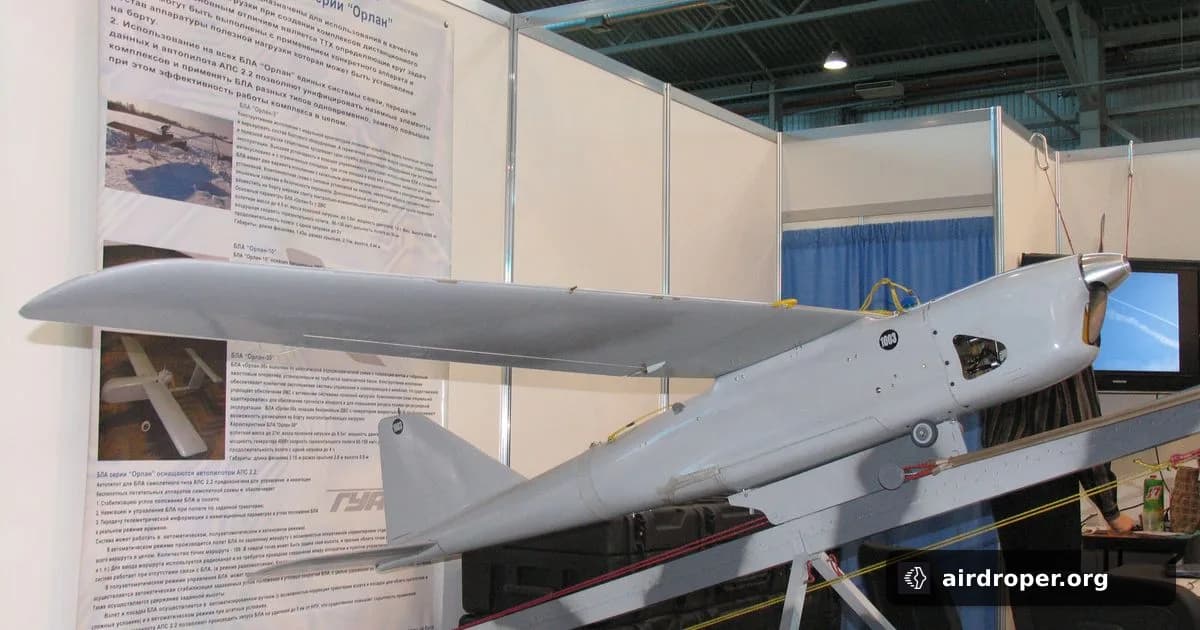
Ukrainian forces have developed and deployed a specialized category of FPV drones purpose-built for one mission: intercepting enemy unmanned aircraft in mid-flight. The primary target is the Russian Orlan series of reconnaissance UAVs — platforms widely used for real-time intelligence gathering and artillery fire correction.
Why Orlan Is a Priority Target
Orlan-class drones pose a persistent battlefield threat. Operating at altitude for extended periods, they relay targeting data that makes Ukrainian positions vulnerable to accurate artillery strikes. Eliminating these assets directly degrades the enemy's ability to conduct effective fire missions.
Conventional air defense solutions — missiles, radar-guided cannons — are expensive and often impractical against small, low-cost surveillance platforms. FPV interceptors offer an asymmetric alternative.
What Makes an FPV Interceptor Different
Unlike standard attack FPV drones, interceptor variants are optimized for air-to-air engagements:
- Higher top speed — capable of closing distance on a maneuvering airborne target
- Agile flight profile — designed for rapid repositioning during dynamic intercepts
- Cost asymmetry — a relatively inexpensive drone can destroy a significantly more valuable reconnaissance asset
- Fast reaction time — operators can launch quickly once a target is spotted
A Shift in Counter-Drone Thinking
The introduction of FPV interceptors signals a broader shift in how tactical air defense is approached. Rather than relying solely on costly kinetic systems or electronic warfare, front-line units gain an organic, low-cost capability to engage aerial threats directly.
It also demonstrates that FPV platforms are no longer limited to ground-attack roles. The same core technology — compact airframe, first-person video link, agile control — can be reconfigured for active air defense at the unit level.
Engineering Challenges
Building an effective airborne interceptor from FPV hardware is a non-trivial engineering problem. Tracking and closing on a moving aerial target demands not only a fast airframe but also low-latency video, reliable control links, and well-trained operators.
The operational data generated by these real-world intercepts will inevitably feed back into the development of next-generation flight controllers, video transmission systems, and FPV platforms — pushing the entire industry forward.
Related Posts
Comments
Sign in to leave a comment