US Air Force Eyes Low-Cost Surveillance Drones: What's Behind the RFI
The US Air Force Wants Affordable ISR Drones — Fast
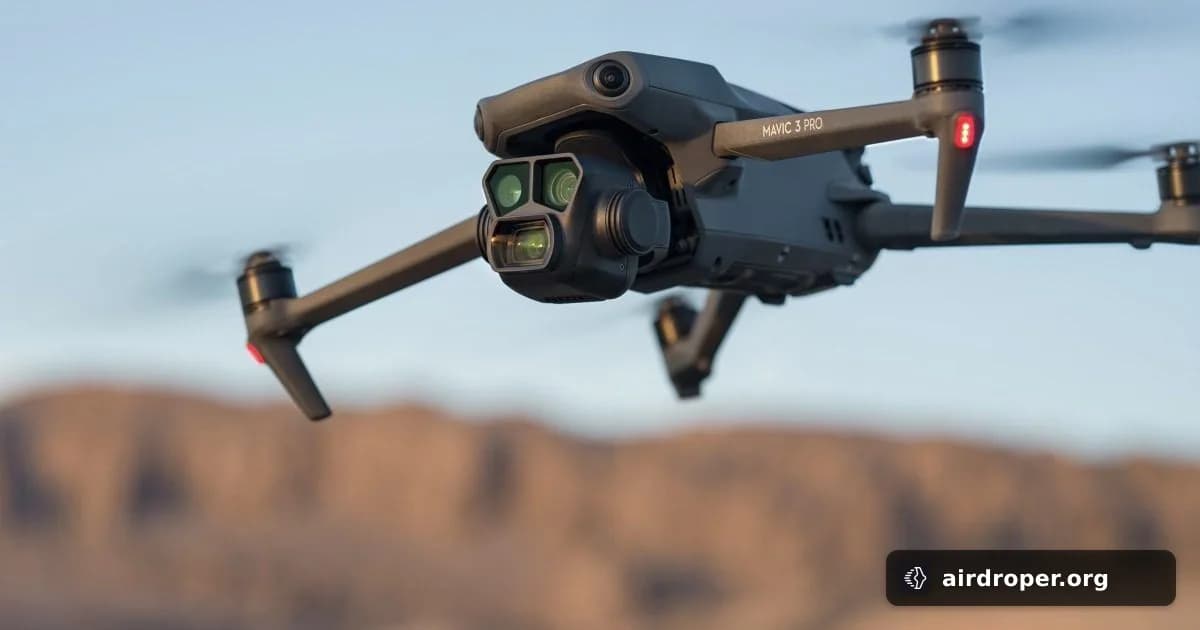
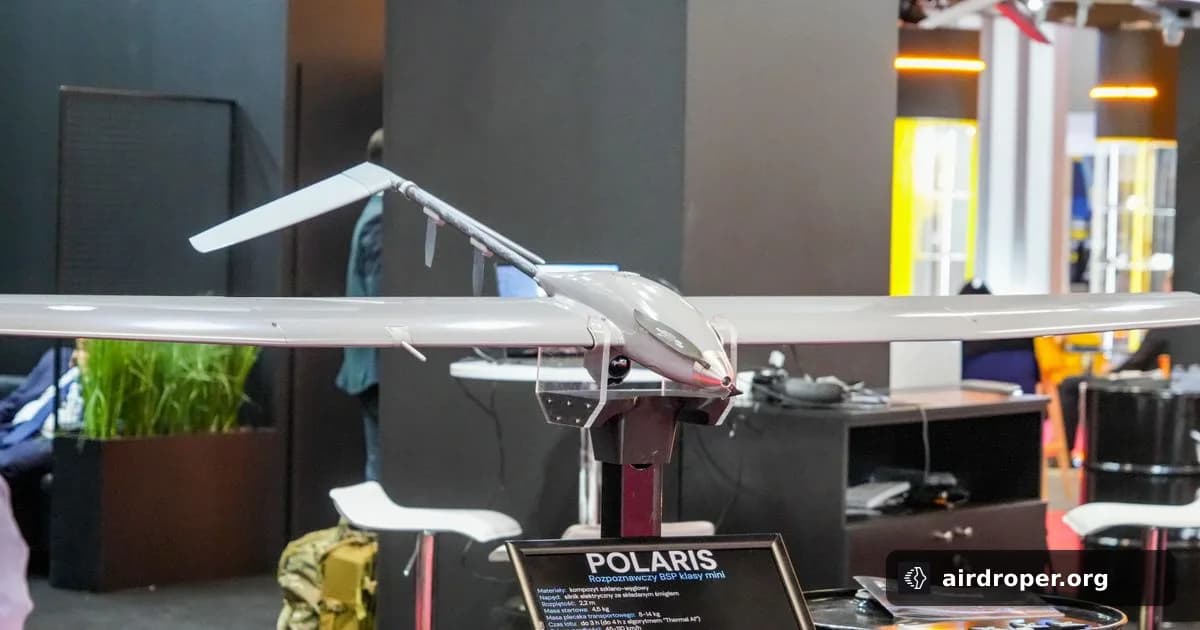
The United States Air Force has taken a notable step by issuing a Request for Information (RFI) aimed at identifying suppliers of low-cost, rapidly deployable unmanned aerial vehicles for intelligence, surveillance, and reconnaissance (ISR) missions. It's a clear signal that military procurement priorities are shifting.
From Expensive Platforms to Scalable Solutions
For decades, military-grade aerial systems meant enormous budgets, lengthy procurement cycles, and complex maintenance requirements. Today's operational realities are pushing planners in a different direction. Modern conflicts have repeatedly shown that smaller, cheaper drones can deliver actionable intelligence faster and with greater operational flexibility than their high-end counterparts.
The characteristics that dominate these new requirements typically include:
- Low unit cost — enabling large-scale deployment without prohibitive expense
- Rapid field deployment — minimal lag between mission planning and execution
- ISR capability — effective data collection, surveillance, and reconnaissance
- Ease of operation — reducing reliance on highly specialized personnel
A Global Shift in Military Drone Doctrine
The Air Force's market research isn't happening in a vacuum. Across the world, defense organizations are rethinking aerial reconnaissance. Contemporary warfare has validated the concept of expendable or low-cost serial drones handling tasks that once required far more expensive assets.
For drone hardware developers, this creates concrete opportunities. Demand is growing for:
- Compact, reliable flight controllers and autopilots
- Modular airframe designs that allow rapid mission reconfiguration
- Systems with short time-to-operational readiness
Industry Implications
An RFI of this kind is more than administrative paperwork — it's a market signal. Manufacturers capable of delivering cost-efficient platforms without sacrificing reliability are well-positioned as defense budgets increasingly favor quantity and speed over exclusivity.
If the research phase proceeds as expected, formal procurement opportunities could follow. Companies already developing scalable, affordable ISR solutions will have a significant head start in what remains one of the world's largest and most influential defense markets.
Related Posts
Comments
Sign in to leave a comment