The US Army gives old robot helicopters a second life
Turning retired airframes into useful test assets
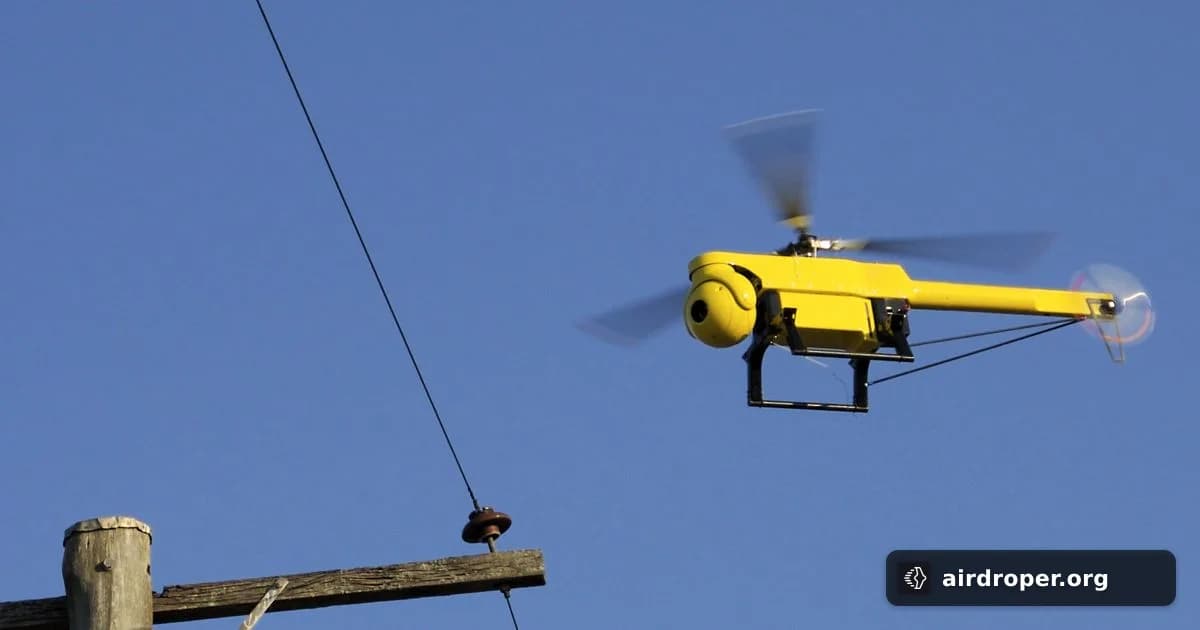
Four former Navy unmanned helicopters that had been left in an Arizona storage area were not sent to scrap. Instead, the US Army found a new role for them: a test platform for advanced sensors and related systems.
The idea is straightforward and practical. When an expensive aircraft is no longer needed for its original mission, it can still have value as a flying laboratory. That makes it possible to test new equipment on a real airframe without paying for a brand-new dedicated platform.
Why this matters for UAV development
For drone engineers and military users, this kind of reuse has clear advantages:
- lower cost than building a separate test aircraft;
- faster evaluation of sensors and onboard systems;
- better use of existing hardware;
- less waste in military equipment handling.
According to the source, the move saves taxpayers $70 million. That is a notable example of defense-sector efficiency, where repurposing older assets produces both operational and financial benefits.
A broader lesson for the unmanned sector
This case highlights a trend that is increasingly relevant across the UAV industry: a platform’s value does not always end when its primary service life is over. Retired aircraft can still support development work, integration testing, and sensor validation.
For operators and manufacturers, the lesson is clear. Reuse can be more than a budget workaround. In the right setup, it becomes a tool for faster iteration, lower risk, and more realistic testing than pure ground-based simulation can offer.