When Guns Fall Silent, Drones Remain
Drones Are Not a Wartime Trend
For years, military planning in Europe and North America was built around familiar categories: aircraft, armor, artillery, and missiles. Drones have changed that balance. They are no longer a niche add-on to conventional forces. They have become a durable part of how wars are fought, and that makes them a challenge even after the shooting stops.
The Problem Is Adaptation, Not Just Numbers
What makes drones difficult is not only their presence on the battlefield, but the speed at which they evolve. They are relatively inexpensive compared with many legacy systems, easier to scale, and flexible enough to support reconnaissance, targeting, strike missions, and air defense suppression. That combination forces militaries to adapt faster than traditional procurement cycles usually allow.
Why NATO Must Take This Seriously
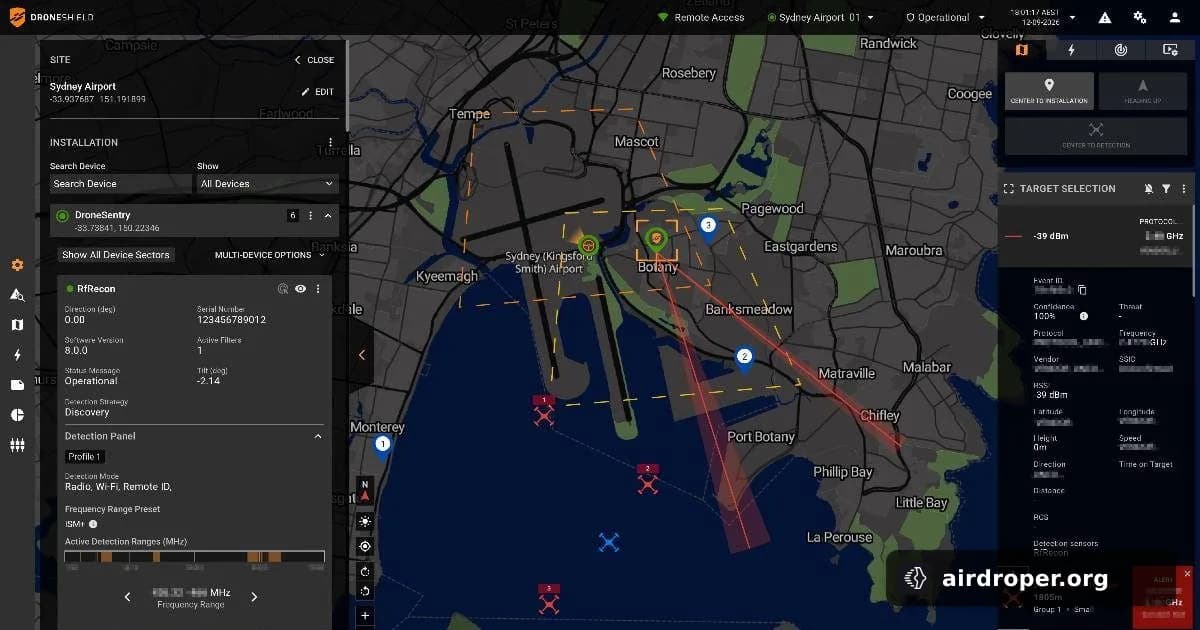
For NATO, the issue is broader than buying more drones. The real task is building a system that can absorb new lessons quickly: communications that survive electronic interference, secure control links, short-range air defense, electronic warfare, and training that reflects how drones are actually used in combat.
A force that prepares only for large, recognizable platforms risks missing the threats that arrive in smaller, cheaper, and harder-to-detect forms.
The Postwar Phase Still Matters
When major combat operations wind down, drone warfare does not disappear. Tactics move into doctrine. Battlefield experience becomes procurement priorities. Training standards change. Industrial policy follows.
That transition matters because the next conflict may not look like the last one, even if it is shaped by the same technologies. States that treat drones as a temporary wartime phenomenon will likely be caught behind the curve.
A New Baseline for Defense
The key lesson is simple: drones are now part of the baseline security environment. The challenge is not deciding whether they matter, but how quickly armed forces can build resilient defenses, counter-drone tools, and the electronics needed to operate in contested airspace.
Related Posts
Comments
Sign in to leave a comment