
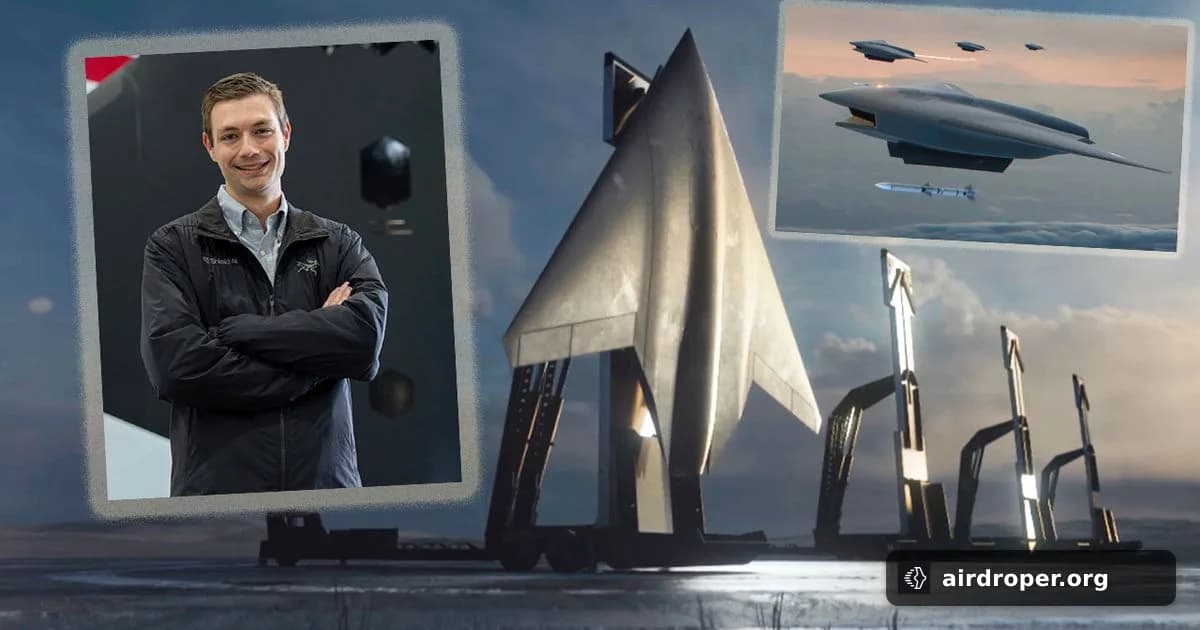
X-BAT: What We Know About the New Stealth Drone
X-BAT Points to a New Type of UAV
X-BAT is drawing attention not as a routine reconnaissance drone, but as a platform intended to sit much closer to an unmanned fighter aircraft. That alone makes the project notable: it combines low observability, agility, and autonomy in a way that reflects where combat aviation may be headed.
The Core of the Design
Available information says X-BAT uses a GE engine together with thrust-vectoring controls. For a vehicle in this category, that combination matters. A stealth-oriented aircraft is not only expected to fly discreetly; it also needs to remain controllable during aggressive maneuvers and across a wider flight envelope.
Thrust vectoring can broaden those capabilities, especially when paired with a modern propulsion system. In practice, that means the drone is not being designed as a simple straight-line platform. It is meant to behave more like a maneuverable combat aircraft, just without a pilot on board.
Another key piece is Hivemind AI, the onboard “pilot” designed to support autonomous operation. In today’s UAV field, AI is no longer limited to basic stabilization. It is increasingly used for navigation, situational processing, and decision support. For a system like X-BAT, that kind of software layer is central to the concept.
Why the Project Matters
What makes X-BAT interesting is not a single feature, but the combination of several demanding ones. Low visibility, autonomous control, and fighter-like performance are each difficult on their own. Bringing them together in one airframe is what gives the program strategic importance.
This also reflects a broader shift in unmanned aviation. UAVs are moving beyond support roles and becoming platforms that may take on more direct combat functions. That shift raises the bar for flight control electronics, software reliability, redundancy, and test discipline.
What to Watch Next
The developers are preparing for flight tests. Those trials will be the real measure of whether X-BAT can deliver the performance package described so far.
For now, the project is best seen as a sign of where unmanned air combat is going: more autonomy, more sophisticated control systems, and a tighter blend of aircraft design and software.
Related Posts



Comments
Sign in to leave a comment