
XDOWN's STUD Interceptor: Inside America's $1.1B Drone Dominance Strategy
The $1.1B Bet on Drone Dominance
The United States is doubling down on unmanned systems as a cornerstone of modern air power. With over $1.1 billion allocated toward drone-related defense initiatives, the Pentagon is actively seeking cost-effective solutions for both offensive and defensive aerial operations.
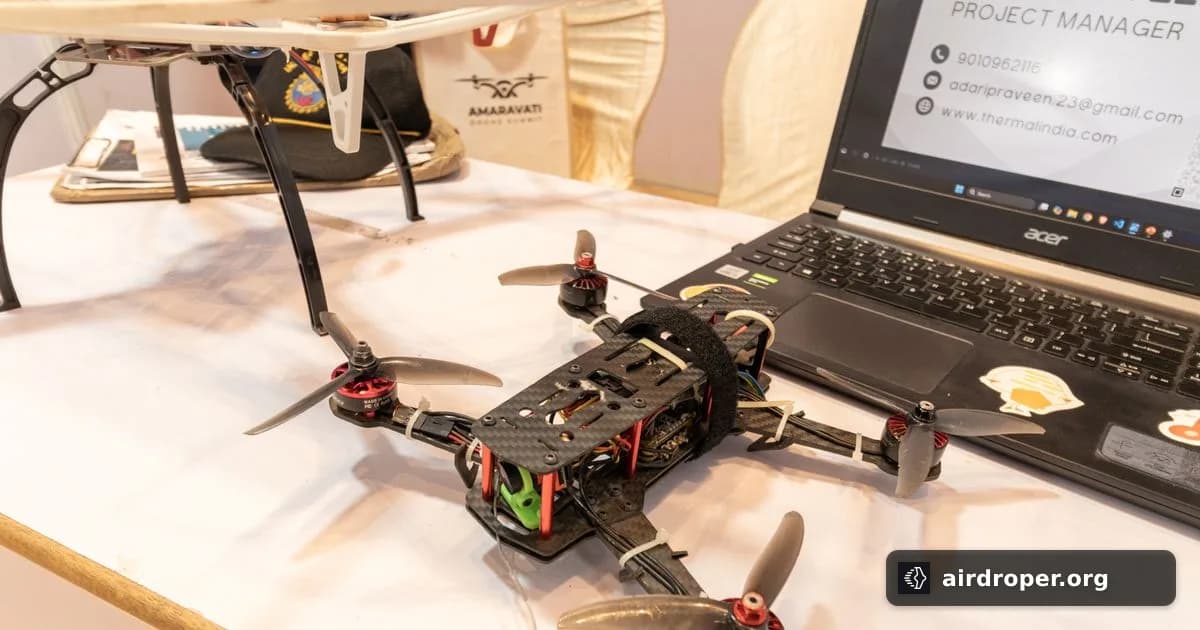
California-based startup XDOWN has entered this arena with its STUD — the Small Tactical Unmanned Drone — an attritable interceptor designed to neutralize enemy UAVs on the battlefield.
Understanding the 'Attritable' Concept
The term attritable refers to drones that are affordable enough to risk losing in combat — a deliberate departure from the philosophy of expensive, highly protected platforms. This approach offers several strategic advantages:
- Overwhelming adversary air defenses through volume;
- Reducing risk to crewed aircraft and high-value assets;
- Enabling scalable operations without proportional cost increases.
The STUD interceptor targets exactly this niche: a compact, expendable platform built to counter the growing drone threat at a fraction of the cost of traditional air defense systems.
Why Drone Interceptors Matter Now
Recent conflicts — most notably the ongoing war in Ukraine — have demonstrated that drones are no longer a supplementary tool but a primary one. Countering them efficiently is a pressing challenge for militaries worldwide.
Conventional air defense assets, such as surface-to-air missiles and radar-guided systems, are often economically mismatched against cheap commercial or tactical drones. A drone-versus-drone approach, exemplified by platforms like STUD, offers an asymmetric solution: use a relatively low-cost interceptor to neutralize a threat that would otherwise require a far more expensive response.
This logic sits at the heart of the Drone Dominance doctrine — achieving air superiority through autonomy, speed, and numbers rather than sheer platform cost.
A Broader Shift in Defense Procurement
The $1.1 billion strategy signals more than just funding — it reflects a structural change in how the U.S. defense establishment views unmanned systems. Smaller companies and startups now have a clearer pathway to Pentagon contracts, accelerating innovation cycles that larger primes typically cannot match.
For the global UAV industry, the implications are significant. The race to develop affordable, effective counter-drone and drone interceptor systems is intensifying, and the technologies emerging from this competition will likely shape aerial warfare for the next decade.
Related Posts
Comments
Sign in to leave a comment