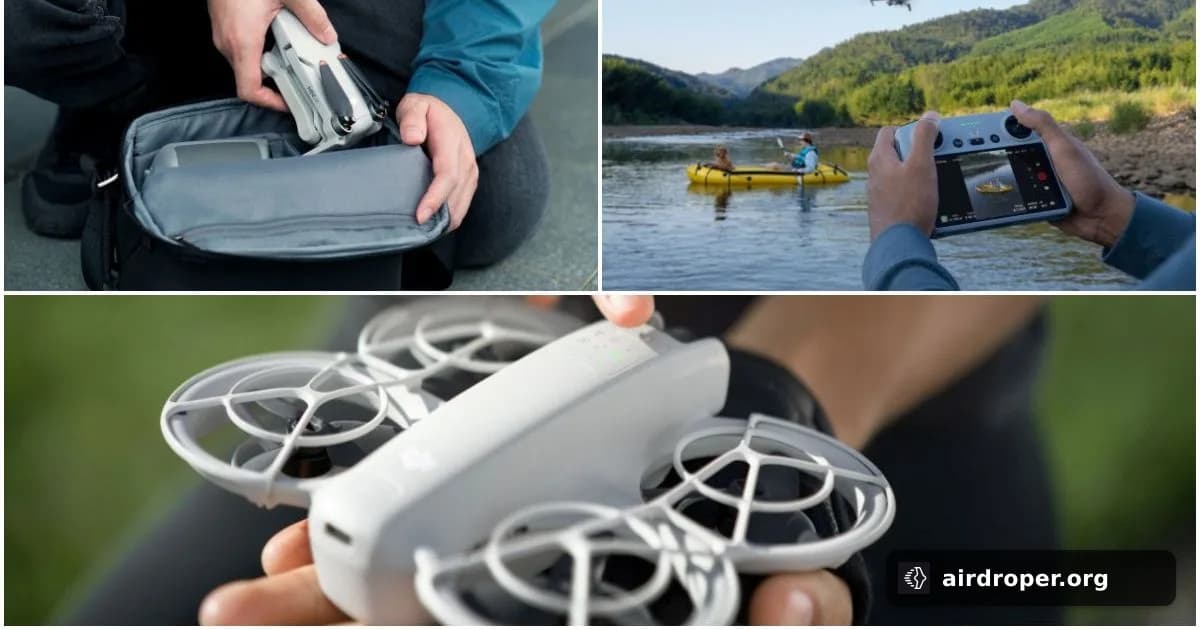
DJI's court filings reveal that up to 25 planned products may not receive FCC authorization in 2026, forcing US drone buyers to rethink the usual 'wait for the next model' strategy.
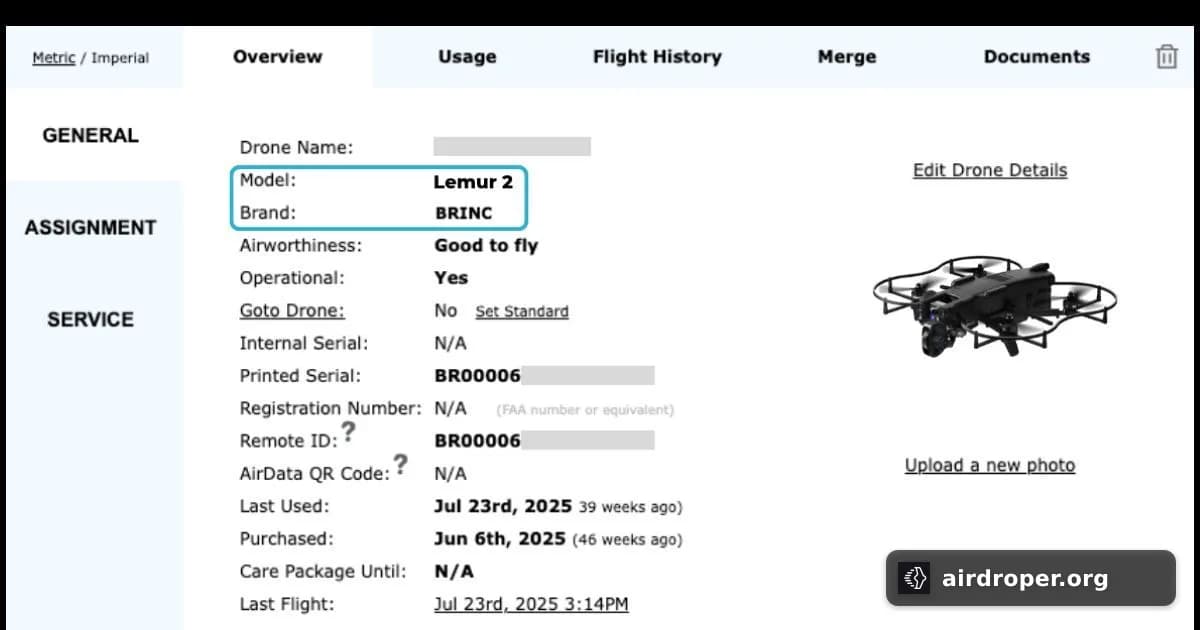
AirData and BRINC have integrated their platforms to automatically log flight data from Lemur 2 and Responder drones, removing manual record-keeping from emergency response operations.
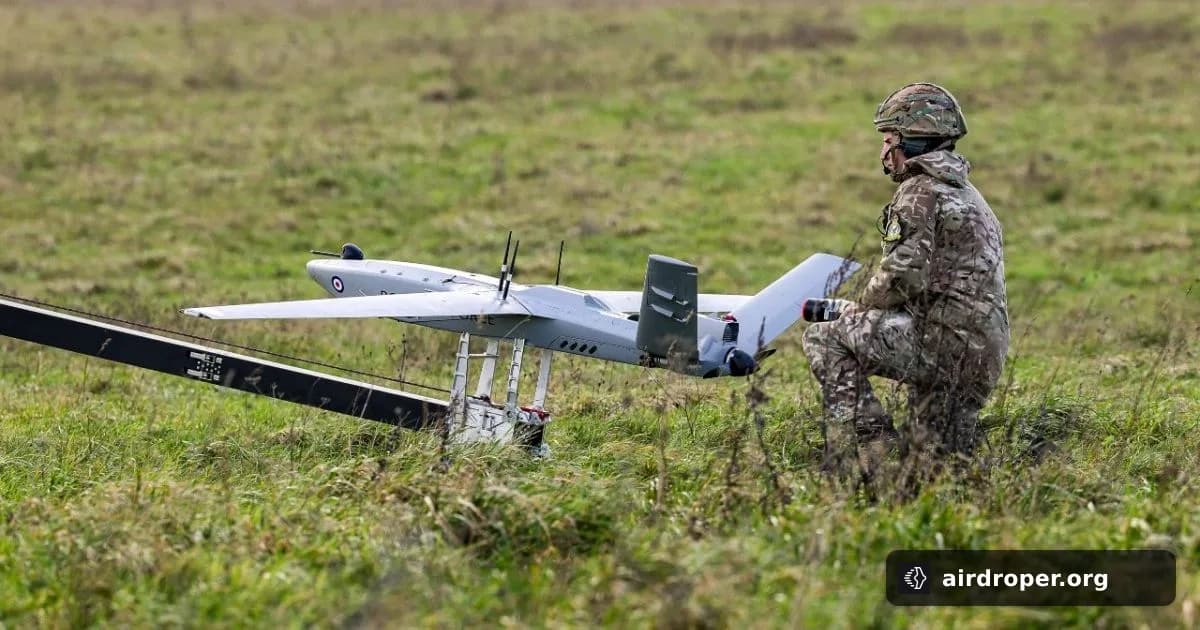
The RAF has completed a year of operational testing with StormShroud, an autonomous drone designed to suppress enemy radar and protect manned jets in combat. Here's what the programme reveals about the future of manned-unmanned teaming.
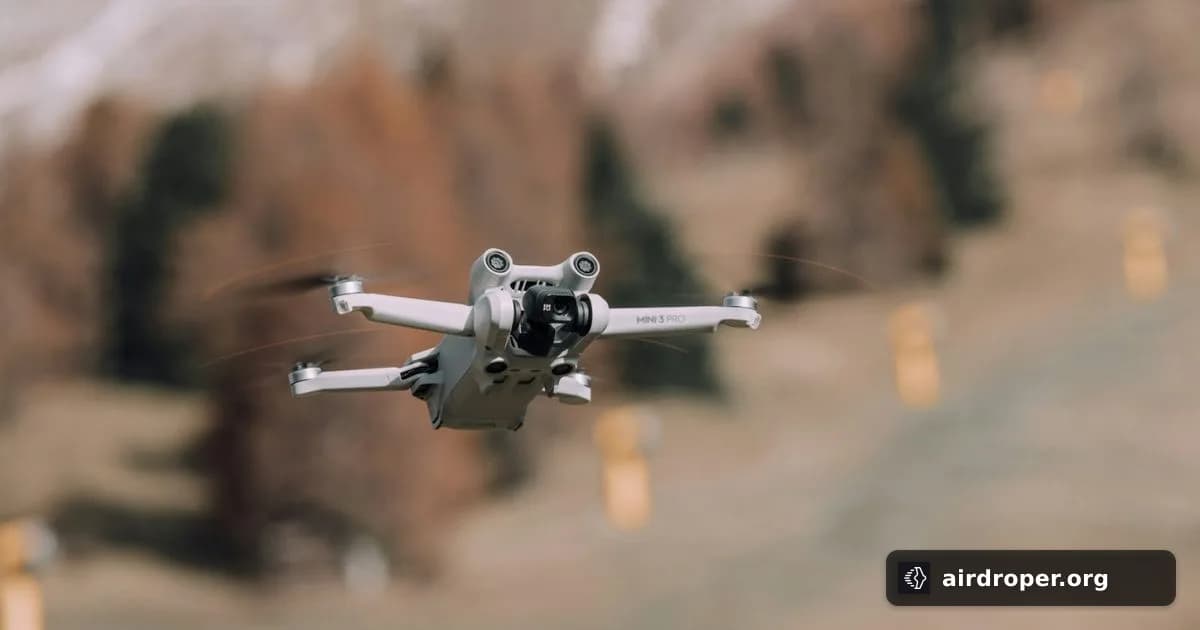
The FAA is introducing a fast-track settlement program for drone rule violations, ramping up enforcement as the US prepares to host major public events including FIFA World Cup matches.
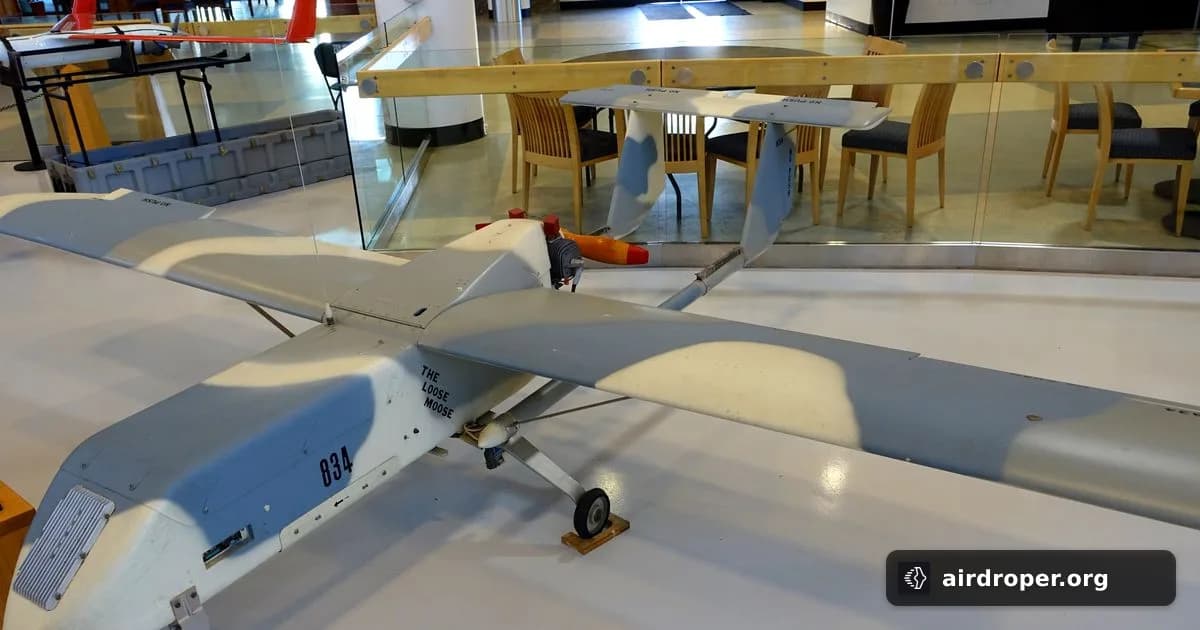
Oregon's Department of Aviation has submitted formal recommendations to the FCC covering spectrum access, rural testbed expansion, and drone use in public safety missions — offering a model for state-level engagement with federal drone policy.

Babycloud is a fixed-wing kamikaze UAV with a 50 km range and 7 kg payload, designed around a mass-production doctrine that prioritizes volume and affordability over individual platform capability.
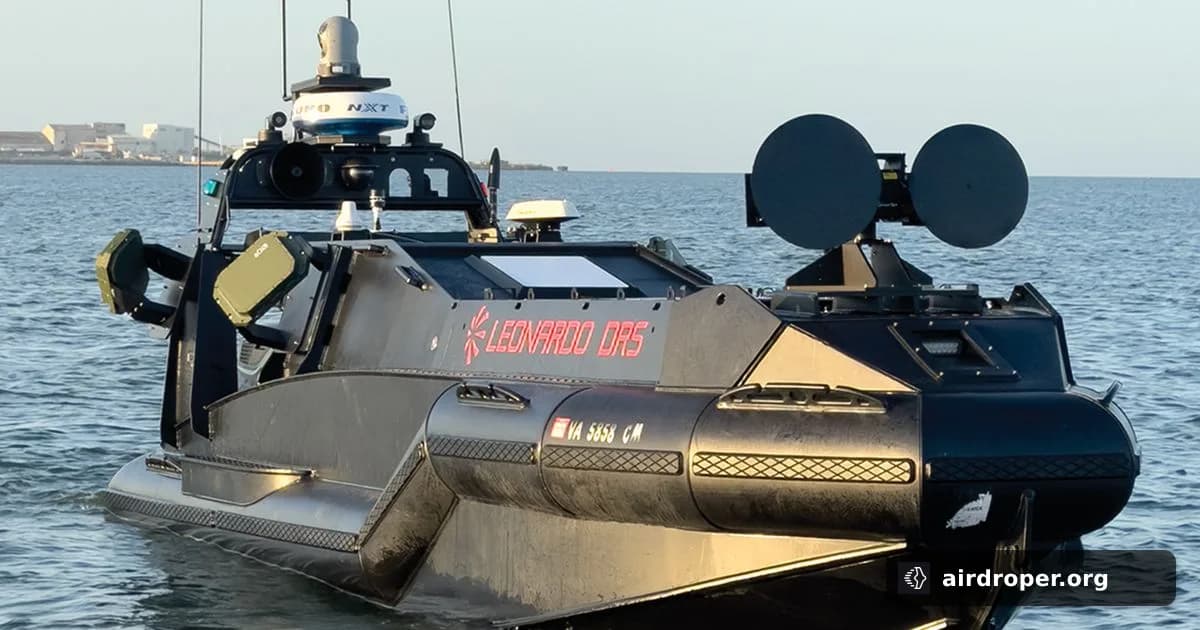
Protecting naval vessels from drone attacks is one of the defining challenges for modern fleets. We break down what makes maritime counter-UAS systems uniquely complex.
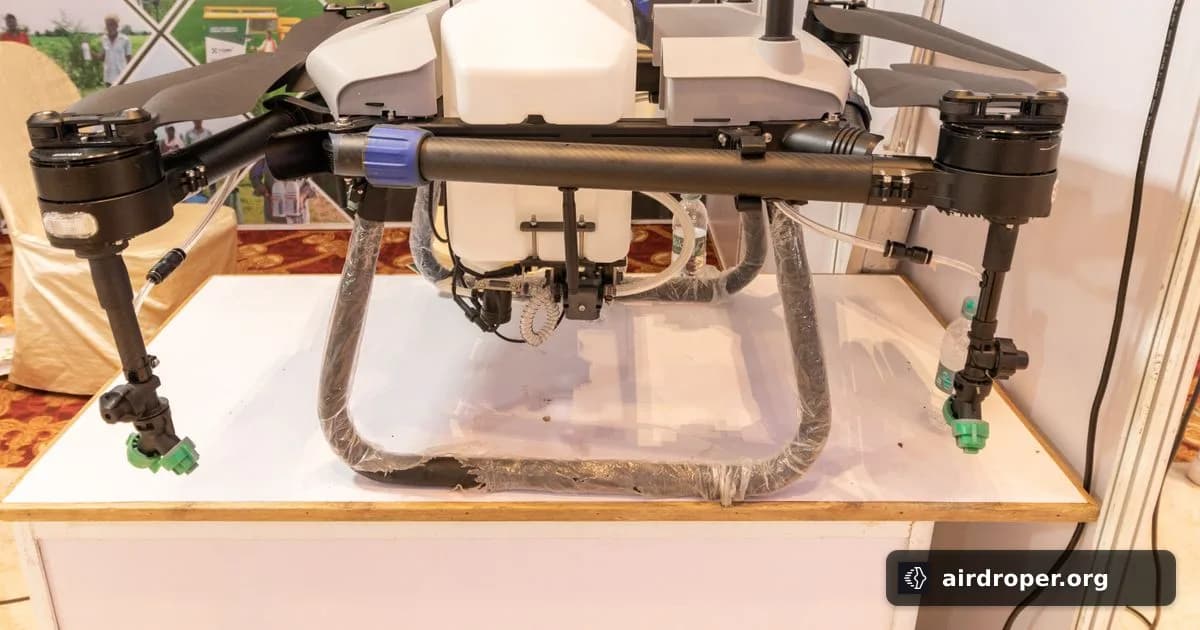
The U.S. Department of War has kicked off Phase Two of its $1.1 billion Drone Dominance Program, targeting 30,000 low-cost attack drones via a four-stage competition. Here's what the program signals for the broader UAV industry.

Viasat, Thales, and ESA have completed flight trials demonstrating how combined satellite and terrestrial connectivity can enable safe BVLOS drone operations. The results are designed to build the regulatory evidence needed for commercial approvals.
