
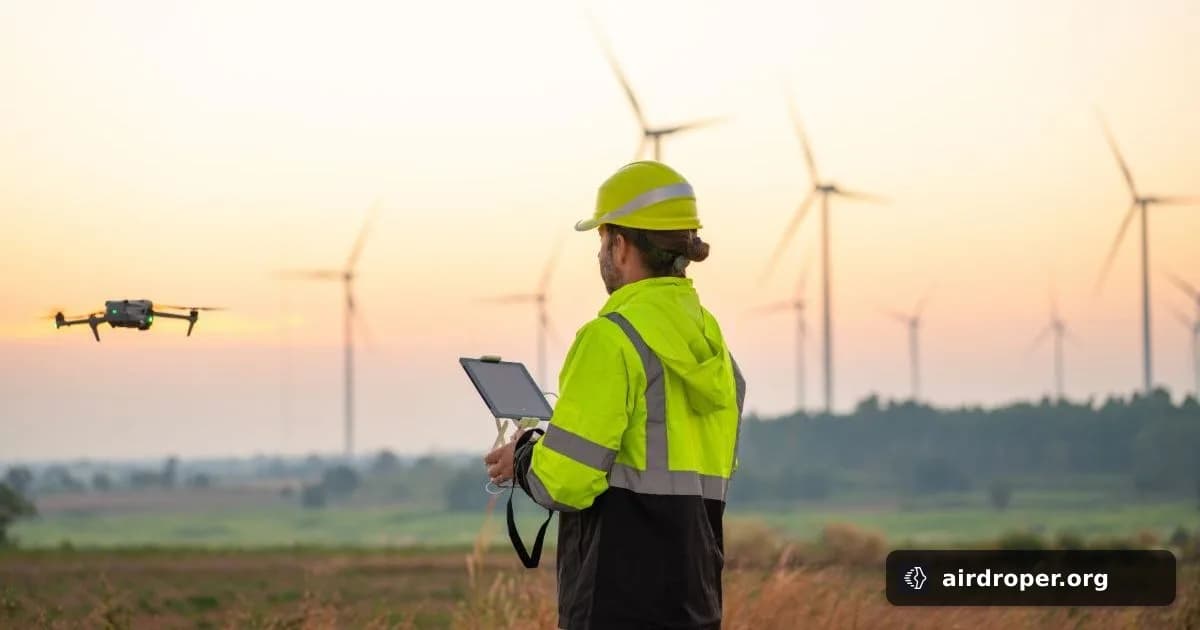
Drone Use in Utilities Is Accelerating
Utilities are moving drones from niche to routine
Drone adoption in energy and utilities is no longer limited to isolated pilot projects. It is becoming part of day-to-day operations, especially where inspections, asset monitoring, and field access are expensive or time-consuming. In that context, AirData UAV says more than 120 organizations around the world now rely on its fleet management platform.
The milestone reflects a broader shift: drones are being treated less as occasional tools and more as a core layer in infrastructure operations. For utilities, that means faster inspections, better data collection, and fewer situations where crews must take on risky manual work.
Why fleet management matters now
As commercial drone operations expand, operators face more complexity. A drone alone is not enough. Companies need systems that help manage fleets, organize flight records, and support internal safety workflows. That need becomes even sharper in critical infrastructure, where reliability and documentation matter as much as speed.
Energy companies and utility providers use drones to inspect lines, towers, and related assets with greater efficiency. The appeal is straightforward: drones can reach hard-to-access locations, produce detailed visual data, and reduce downtime during routine checks. Once those workflows scale, fleet software becomes part of the operational backbone.
A sign of where the market is heading
AirData’s customer growth points to several trends shaping the sector:
- drones are becoming a standard inspection tool;
- organizations want centralized fleet oversight;
- flight records and reporting are gaining importance;
- the market is preparing for tighter rules and new operating models.
The most important part is that this growth is happening in real utility environments, not just in demonstrations. That suggests drones are moving past early adoption and into broader integration across enterprise operations.
What this means for commercial drone operations
The utility sector is likely to remain one of the strongest drivers of commercial drone demand. As regulations evolve, the focus will shift from simply flying more missions to managing them better: planning, tracking, documenting, and keeping operations compliant.
For the wider drone industry, that is a meaningful signal. The next phase of growth may depend less on airframes alone and more on the software and systems that help organizations run drones at scale.
Related Posts

Comments
Sign in to leave a comment