
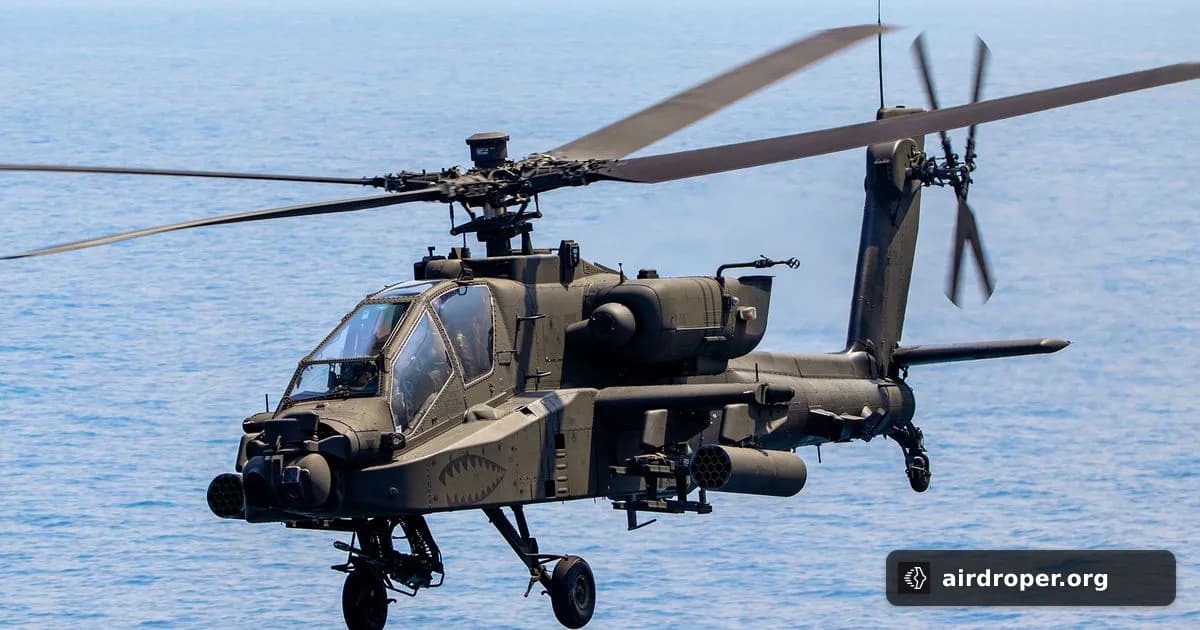
Apache Crew Rescued by Drone Boat Near Hormuz
A first for uncrewed rescue at sea
The recovery of an AH-64 Apache crew by a drone boat near the Strait of Hormuz is notable for more than the aircraft involved. Based on the available account, this is the first known case in which an uncrewed surface vessel was used to recover downed aircrew. That alone makes the incident a meaningful milestone for military rescue operations.
Uncrewed surface vessels have already been discussed for a range of roles: surveillance, patrol, logistics, and operations in high-risk waters. This episode adds another one to that list. It suggests that autonomous maritime systems are starting to move from experimental concepts toward practical support in real emergencies.
Why the setting matters
The Strait of Hormuz is a strategically sensitive and operationally demanding area. Traffic is dense, the security environment is complex, and response time can be critical. In such conditions, reaching a casualty quickly is not always easy for traditional assets.
That is where uncrewed platforms offer clear advantages:
- no onboard crew is exposed to the same level of risk;
- they can be deployed into dangerous areas;
- they can remain on station for extended periods;
- they can complement helicopters, boats, and rescue teams.
In this case, the drone boat did not replace conventional rescue forces. Instead, it appears to have served as part of a broader response chain. That distinction matters. The most likely near-term value of these systems is not in replacing human rescue crews, but in extending their reach and reducing exposure.
A sign of where maritime autonomy is heading
The real significance of the Apache recovery is what it says about maturity. A platform used to bring back aircrew after an incident must be trusted to navigate, coordinate, and operate reliably under pressure. When that becomes possible, the system is no longer just a demonstration article; it becomes part of an operational toolkit.
For defense planners and manufacturers alike, this is a reminder that unmanned systems are increasingly expected to do more than gather intelligence or carry payloads. Support missions — especially those tied to survivability and rescue — may become one of the fastest paths for adoption.
The Strait of Hormuz incident may be remembered as an early example of a broader shift: uncrewed maritime systems beginning to influence how militaries respond when aircraft go down far from shore.
Related Posts
Comments
Sign in to leave a comment