Your DJI drone may already shoot vertical video
Vertical video is now the default for many platforms
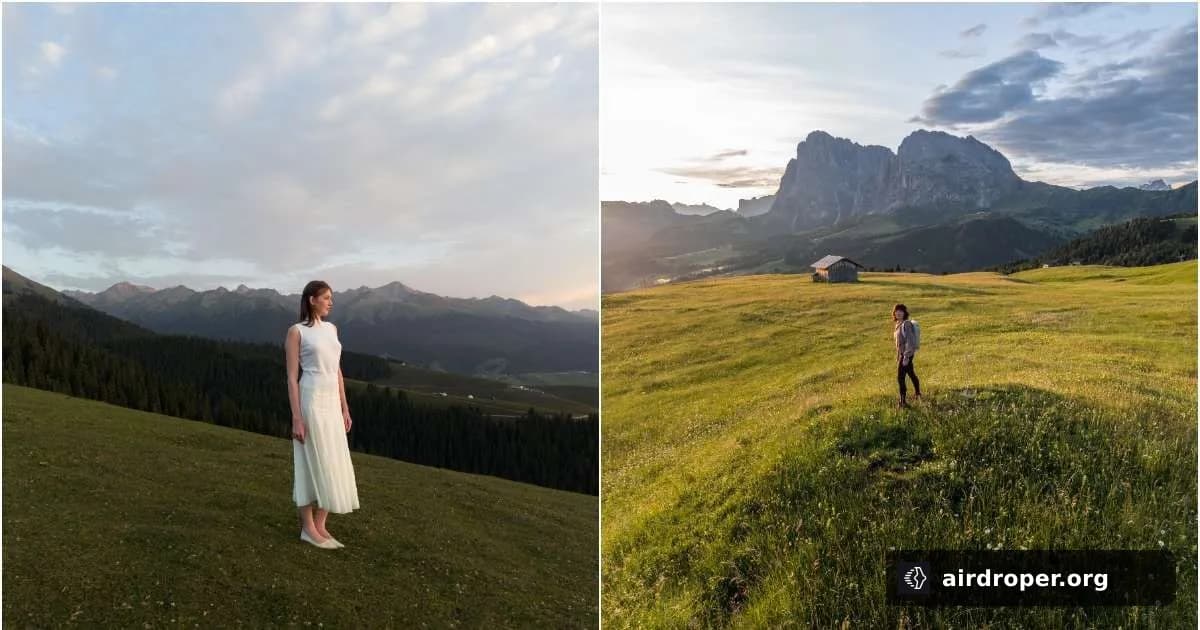
Drone cameras were designed for wide, cinematic frames. That still makes sense for large displays, landscape shots, and traditional video work. But social platforms have changed the rules. Instagram Reels, TikTok, and YouTube Shorts are built around vertical viewing, and a horizontal drone clip often has to be cropped before it fits.
For drone pilots, that creates a familiar trade-off: keep the composition, or keep the full scene. In many cases, you can’t do both. Cropping a wide aerial shot into 9:16 can reduce the effective image area and remove important visual elements from the frame.
Why cropping is not always the best workflow
Anyone who has tried to repurpose aerial footage for mobile-first platforms knows the problem. A shot that looks balanced in 16:9 can become awkward once the sides are trimmed away. Horizon lines shift, subject placement changes, and the final clip may lose the sense of scale that made it interesting in the first place.
That’s why native vertical capture matters. Instead of framing for one aspect ratio and fixing it later in editing, pilots can work directly for the format where the video will be seen.
Recent DJI models may already solve this
The key point is simple: if you own a relatively recent DJI drone, there is a chance you already have the option to shoot vertical video without resorting to a crop. That makes the content pipeline cleaner and faster, especially for creators who publish directly to social media.
A native vertical workflow can offer practical advantages:
- less image loss during editing;
- more accurate framing for mobile screens;
- faster turnaround from flight to post;
- better control over composition for 9:16 delivery.
For pilots, this also changes how a scene is planned. Instead of thinking only in wide panorama terms, it becomes useful to imagine how the subject will sit inside a smartphone screen.
What pilots should check before flying
Before the next mission, it is worth confirming whether the drone supports a dedicated vertical shooting mode and how it behaves in the camera menu. If it does, the best results usually come from composing for the final platform from the start rather than relying on post-production fixes.
Vertical video will not replace classic landscape footage. But for short-form distribution, it can be the more efficient and visually reliable choice. And if the drone can capture it natively, that’s a feature worth using.
Related Posts
Comments
Sign in to leave a comment