
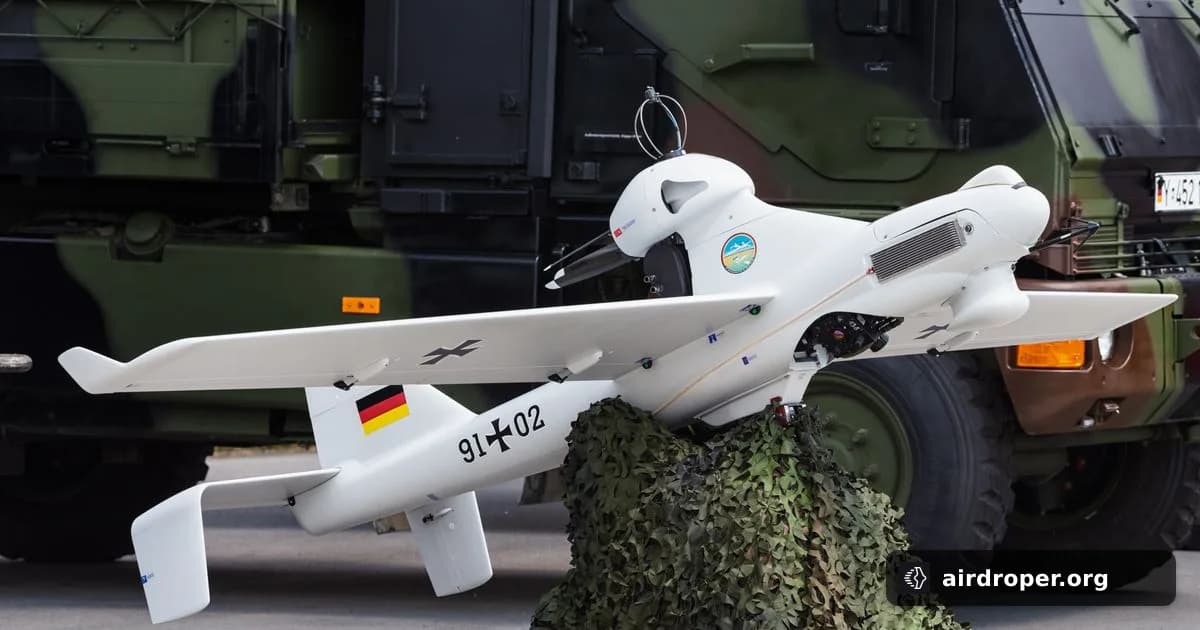
How Beijing Is Reshaping Urban Drone Rules
Beijing’s Sky Becomes a Policy Test Case
On 1 May 2026, Beijing introduced some of the toughest urban drone rules in the world. The message was clear: consumer drone activity would no longer be treated as a casual layer of city life, but as something that must be tightly managed so commercial unmanned aviation can scale more safely.
The move matters far beyond one city. Beijing is effectively treating its airspace as a strategic resource, reserving room for a growing low-altitude economy while sharply limiting everyday drone use. That shift offers a glimpse of how major urban centers may regulate unmanned aircraft once drones become part of logistics, inspection, and other commercial services.
From Hobby Use to Managed Airspace
The new approach is not just about flight bans. It extends to the sale, transport, and routine flying of consumer drones, creating a much stricter environment for recreational operators. In practical terms, that reduces spontaneous flights and gives the city more control over what happens in its lower airspace.
This is an important signal for the wider UAV sector. Regulators are no longer looking at drones only as personal gadgets or isolated safety risks. Instead, they are increasingly being folded into transport policy, public safety planning, and the architecture of commercial air operations.
Why the Low-Altitude Economy Matters
The term low-altitude economy is increasingly used for services built around controlled activity in the airspace close to the ground. In large cities, that can include delivery networks, infrastructure monitoring, and inspection missions that depend on reliable, rule-based operations.
Beijing’s restrictions suggest a deliberate attempt to clear space for those use cases. By reducing uncoordinated consumer traffic, the city is making room for operators that can work within formal procedures and support a more predictable aerial environment.
What the Industry Should Take From This
For drone makers, operators, and system developers, the lesson is straightforward: the next phase of the market will depend as much on compliance as on aircraft performance. In dense urban airspace, success will increasingly depend on:
- flight-rule integration;
- dependable control systems;
- predictable platform behavior;
- compatibility with commercial operations.
Beijing’s policy move shows how quickly the balance can change when drones move from hobby use toward urban economic infrastructure. That change is likely to shape how other cities think about unmanned aircraft control in the years ahead.
Related Posts

Comments
Sign in to leave a comment