MAGIC Antennas Aim to Double UAV Link Range
Antennas are becoming part of the performance stack
In many deployed wireless systems, the antenna is still treated as a passive accessory. With an omnidirectional design, energy is spread in all directions, including the ones that do not help the link. That simplicity comes at a cost: weaker efficiency, shorter usable range, and less room to resist interference.
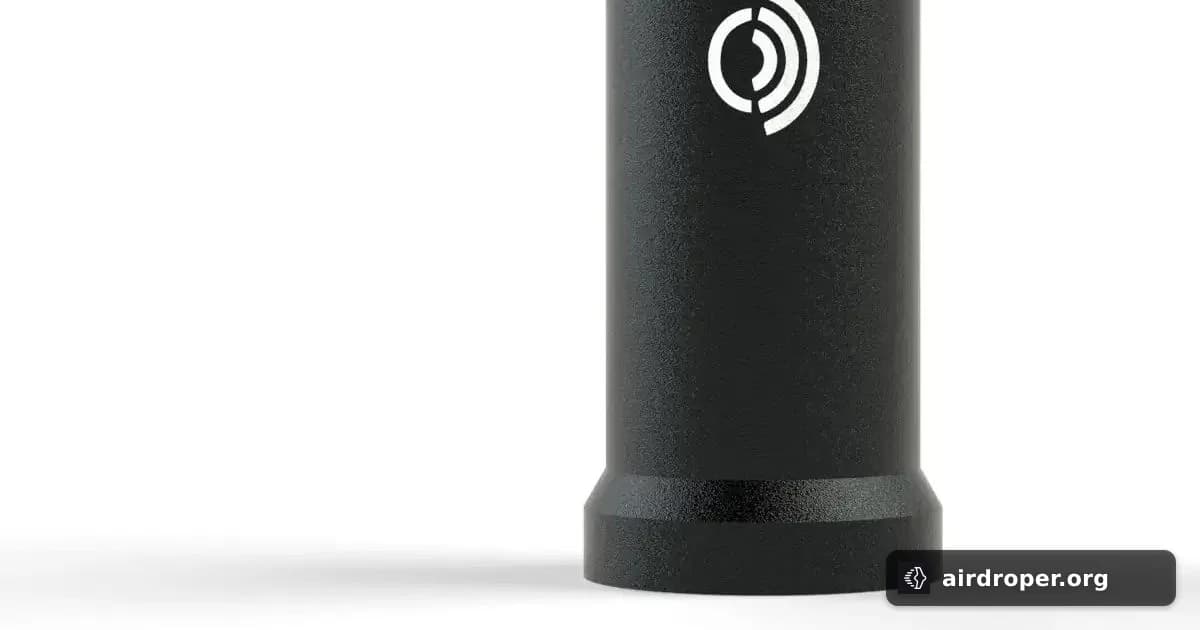
The new MAGIC series is built around a different idea. Instead of replacing the radio, it changes how the antenna itself handles RF energy. The result is presented as a software-defined, drop-in upgrade that can improve a UAV or ground-station link without redesigning the full communications chain.
What makes it different
MAGIC uses a reconfigurable metamaterial approach to shape and steer RF energy. In practical terms, that means the antenna is not just radiating broadly; it is working more deliberately with the signal pattern.
For operators, the attraction is straightforward:
- more effective range from the same radio setup;
- better resistance to interference;
- improved link efficiency for drones and ground stations;
- easier adoption because the radio hardware does not need to be replaced.
That last point matters. In the field, link upgrades are often slowed down by integration work, hardware compatibility, and the risk of changing too many parts at once. A drop-in antenna upgrade lowers that barrier.
Why UAV teams should care
For drones, communications margin is not a luxury. It affects mission reliability, control stability, and the practical limits of where a system can operate. A stronger antenna can make a difference even when the autopilot, payload, and airframe are already well tuned.
This is especially relevant for teams working with established platforms. If a system is already deployed, swapping the entire radio stack may be expensive or impractical. An antenna-level upgrade offers a more focused path to performance gains.
A sign of where the market is heading
The headline claim around MAGIC is simple: more than 2× effective range improvement along with stronger interference resistance. Whether in drone links or ground stations, that points to a broader trend in RF design — improvements are no longer limited to radios and modems alone.
If these performance gains hold up in real-world use, antenna architecture could become a much more active part of system design, especially where every extra bit of link quality counts.
Related Posts
Comments
Sign in to leave a comment