
Canada Tests Drones for Controlled Avalanche Release
Drones move into avalanche control
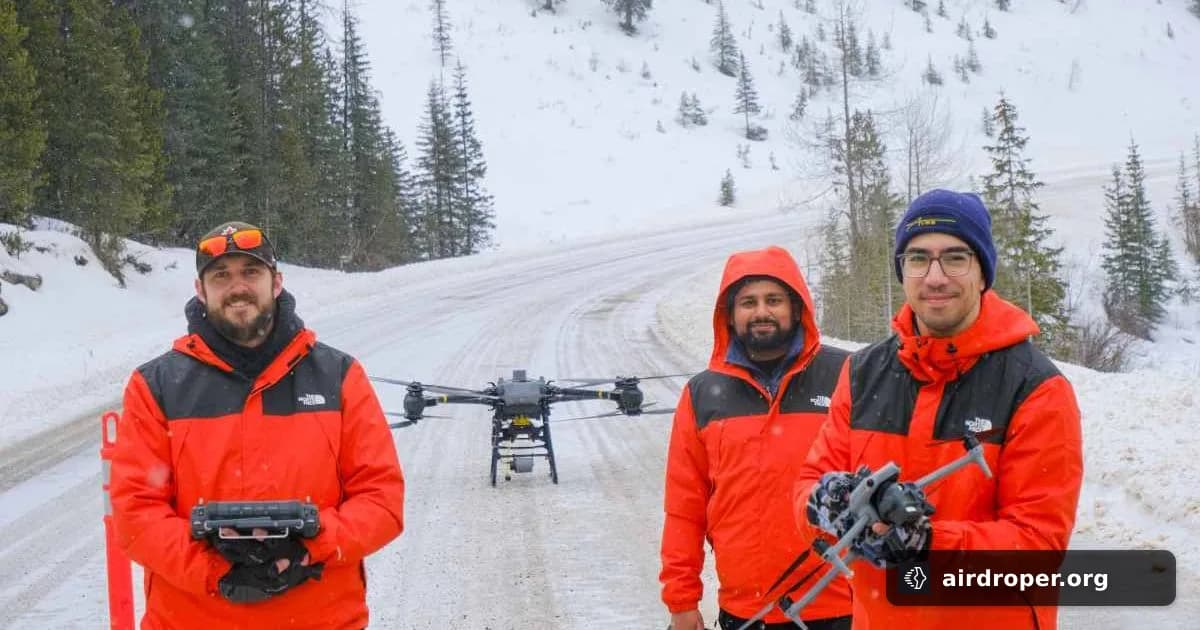
Canada has completed real-world testing of a system that uses drones to help trigger controlled avalanches from a distance. Instead of sending crews into hazardous terrain, the idea is to let a UAV deliver explosive charges to a targeted spot on the slope.
What the test covered
The system comes from Canadian company Aerial Vehicle Safety Solutions (AVSS), which works in drone safety. According to the source, the team recently finished field testing in operational conditions to see whether the concept can work as a practical avalanche-control tool.
That matters because avalanche mitigation often involves difficult terrain and high-risk access. A drone can reach a precise location without requiring personnel or ground equipment to move into the danger zone.
Why this approach matters
Controlled avalanches are a long-standing safety method in mountain regions, along roads, and near critical infrastructure. The challenge is that traditional methods can be slow, logistically complex, and dangerous for the teams carrying them out.
By moving the delivery step into the air, operators can stay at a safer distance while the drone handles the targeted placement of the charge. In theory, that can improve response times and reduce exposure for specialists working with explosives.
What it says about UAVs
This test is another sign that drones are expanding beyond familiar roles such as imaging, inspection, and delivery. In industrial and emergency settings, UAVs are increasingly becoming tools for highly specific missions in hard-to-access environments.
For the sector, the takeaway is clear: future drone value will depend not only on flight time or camera quality, but also on how well a platform can perform specialized tasks under demanding conditions.
Related Posts

Comments
Sign in to leave a comment