
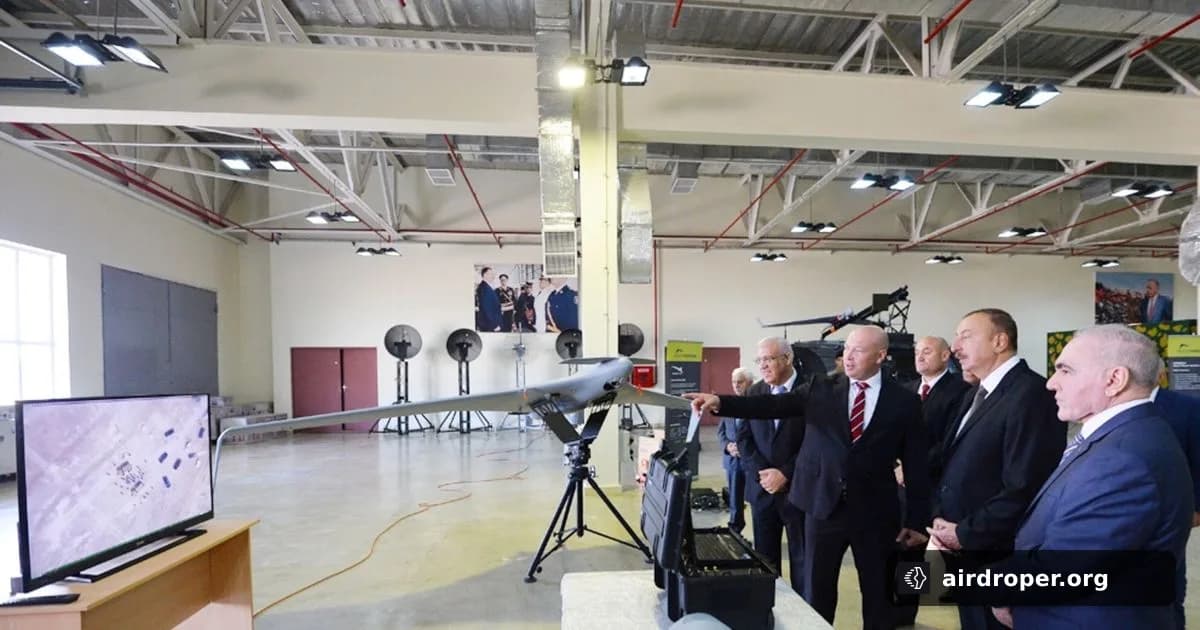
Caseway and MiTAC Bring AI to Defence Systems
A partnership focused on mission-critical AI
Caseway, a Canadian sovereign AI company, and MiTAC Advanced Technology, a Taiwanese systems manufacturer, have announced a collaboration aimed at bringing trusted AI decision intelligence into defence and critical infrastructure use cases in Taiwan. The emphasis is not simply on adding more software, but on building systems that can support high-stakes operations where reliability and data integrity matter.
What the companies are targeting
The reported focus includes several practical areas:
- counter-drone capabilities;
- maritime domain awareness;
- AI-enabled support for defence and infrastructure protection.
That combination reflects a broader shift in security technology. Modern operations increasingly depend on platforms that can collect inputs from multiple sensors, process information quickly, and help operators make better decisions under time pressure. In that environment, the value of AI lies in filtering signals, reducing noise, and highlighting what matters most.
Why counter-drone work remains a priority
Drone activity has made counter-UAS systems a central topic across defence and public safety markets. Detection alone is no longer enough. Operators need systems that can classify threats, track movement, and fit into larger response chains without slowing down the mission.
This creates demand for:
- dependable computing platforms;
- robust data-processing modules;
- integration with sensor networks and command systems;
- predictable performance in demanding conditions.
For companies building UAV-adjacent technologies, this is a clear reminder that counter-drone solutions are becoming an ecosystem problem, not just a sensor problem.
A sign of where the market is going
The Caseway–MiTAC partnership points to a growing model in which AI and mission-critical hardware are developed together. Rather than treating intelligence software as a separate layer, the industry is moving toward integrated systems designed for real-world response.
For Taiwan, the relevance is straightforward: maritime security, infrastructure protection, and airspace monitoring all benefit from faster decision support. For the wider UAV and defence technology market, the message is similar — the next generation of systems will be judged not only by what they detect, but by how reliably they help people act on that information.
Related Posts
Comments
Sign in to leave a comment