
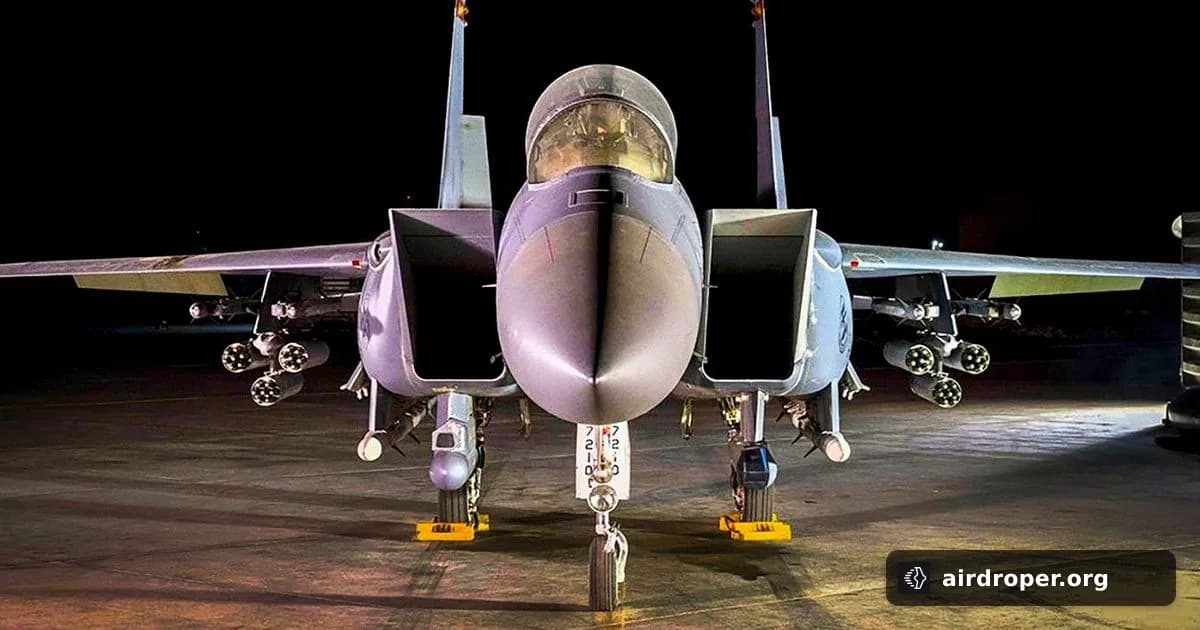
Saudi Arabia Gets Approval for 20,000 Rockets
A sign of planning for drone-heavy battles
The recent U.S. approval for Saudi Arabia to buy up to 20,000 laser-guided rockets is notable less for the headline number itself and more for what it suggests about future air defense priorities. This is not just a routine weapons purchase. It points to preparation for a battlespace where unmanned systems may arrive in large numbers and force defenders to respond again and again.
Drones have changed the cost balance of air warfare. They are often inexpensive to field, can be used in swarms or waves, and can pressure defenders into spending much more to stop them. That reality is pushing militaries to think beyond a few high-end interceptors and toward larger stocks of guided munitions that are precise enough to deal with fleeting aerial targets.
Laser-guided rockets fit that need. They offer a practical mix of accuracy and availability, making them useful against targets that may not justify firing an expensive missile. They can also help against moving or hard-to-catch objects, which is exactly the kind of challenge small drones create when they appear suddenly, change course, or operate in numbers.
Why the quantity matters
A purchase of this scale is not only about filling warehouses. It reflects an assumption that future engagements could be sustained and high tempo. In that environment, defenders need more than advanced sensors and radar coverage. They also need a fire solution that is scalable, economical, and ready to be used repeatedly without draining limited stocks too quickly.
That is one of the clearest lessons from the drone era: counter-drone defense is not only a technology problem, but also a logistics problem. A force that expects mass aerial threats must be able to keep shooting without running out of affordable weapons.
Broader takeaway
Saudi Arabia’s planned buy shows how seriously some states are taking the drone threat. The emphasis is shifting toward larger inventories of precision weapons that can be used in volume. In practice, that means preparing for a future where air defense is judged not only by sophistication, but by endurance.
Related Posts


Comments
Sign in to leave a comment