
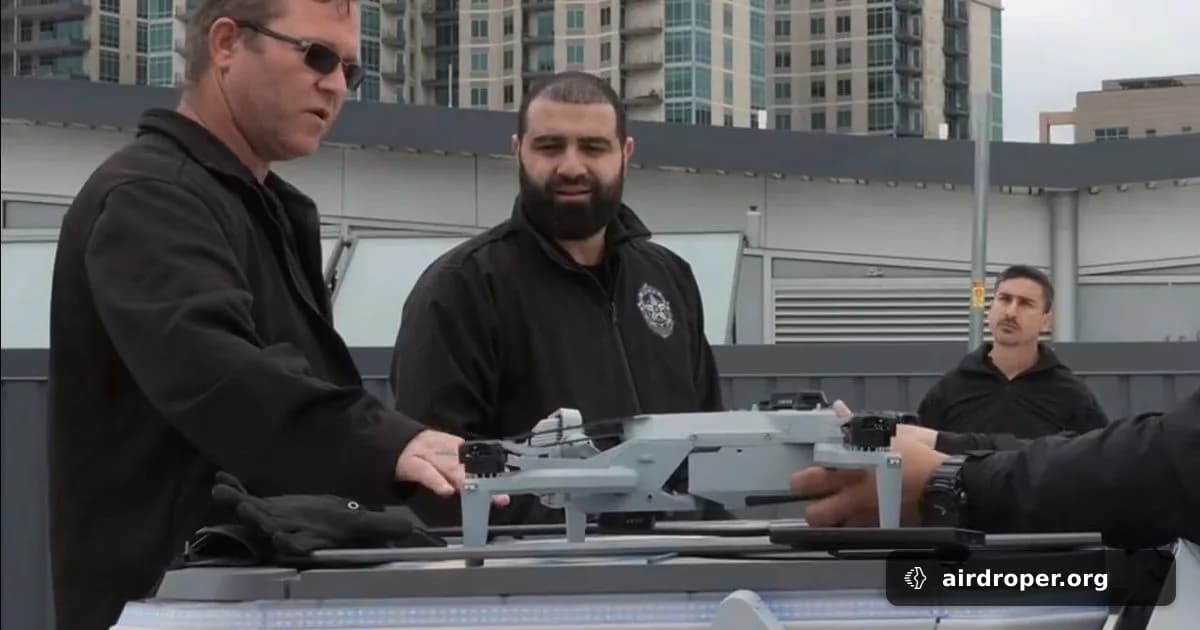
Dallas fire stations become drone response hubs
Drones are becoming part of first response
Dallas is moving drones from the category of support tools into the core of emergency response. In the city’s new approach, a drone may reach an incident before police officers or firefighters arrive on scene.
Fire stations as launch points
The key change is not only the use of drones, but where they are deployed from. Dallas is turning fire stations into response hubs for police drone operations. That gives teams a faster launch point across the city and reduces the time between a call coming in and a drone getting airborne.
In practical terms, that means quicker eyes on the scene. A drone can be sent out to assess what is happening, help confirm the scale of an incident, and provide live situational awareness before ground units arrive. For time-sensitive emergencies, that early view can shape the response that follows.
Why cities are adopting this model
Using fire stations makes operational sense because the infrastructure already exists and is distributed throughout the city. Instead of building a separate network from scratch, municipalities can place drones closer to the areas where they may be needed.
This model also reflects a broader shift in public safety technology. Drones are no longer limited to after-action review or occasional support missions. They are being folded into standard workflows where speed, visibility, and accurate information matter from the first minutes of a call.
What Dallas signals for the market
Dallas is another example of how public agencies are moving toward structured drone deployment rather than one-off pilots. That matters because it shows the technology is being treated as an operational layer, not just a novelty.
For the wider UAV sector, the takeaway is straightforward: emergency services want systems that are fast to deploy, easy to scale, and ready to operate within existing city infrastructure. Dallas is making that model more concrete.
Related Posts


Comments
Sign in to leave a comment