Kazakhstan Is Designing a City for Drones
A city built with drones in mind
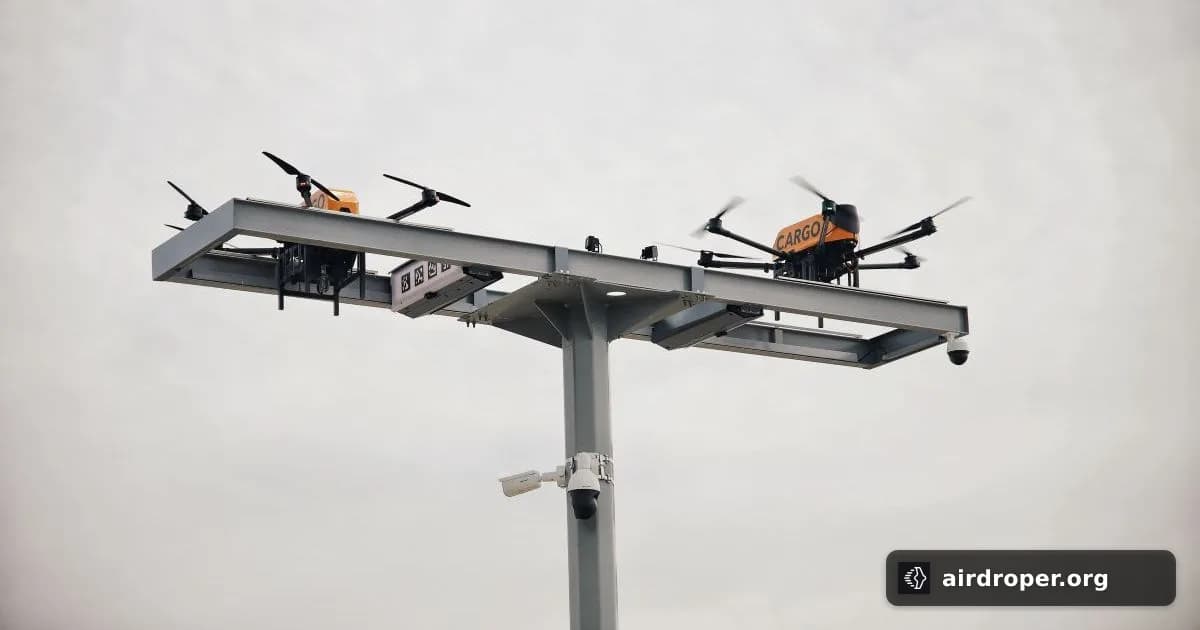
Kazakhstan is preparing a new smart city where drones and flying transport are considered from the earliest planning stage. The idea is not to retrofit an existing urban area, but to design a place where aerial logistics can be part of everyday life from the start.
That approach matters because it changes how a city is built. Instead of later adding landing pads, adapted roads, routing systems, and other supporting infrastructure, planners can account for drone delivery and air-taxi operations upfront. This affects transport hubs, power networks, safety zones, and movement patterns across the city.
What a drone-ready city implies
Projects like this usually go beyond parcel delivery. The core idea is integration: automated platforms, digital traffic management, takeoff and landing areas, and services designed to operate continuously and predictably. For drones, that means more than just air routes — it means a clear operating environment with rules that match urban use.
A city planned this way also becomes a practical testing ground. When the infrastructure is built around a new mobility model from day one, it is easier to introduce services that are difficult to deploy in older cities. Dense buildings, limited open space, complex logistics, and outdated control systems often slow down implementation. A purpose-built district can remove many of those constraints.
Why the drone industry is watching
For the UAV sector, projects like this are valuable because they test the full stack: airframes, software, navigation, communications, and ground support. Reliability becomes central. Stable links, accurate positioning, energy efficiency, and dependable autopilots all determine whether drone delivery or air-taxi services can operate safely and at scale.
The broader signal is also important. The industry is moving from isolated pilots toward complete ecosystems. If urban infrastructure is designed for autonomous flight from the beginning, demand grows not only for aircraft, but also for flight-control systems, sensors, connectivity, and maintenance support.
For Ukraine and other countries building their own drone capabilities, this is a useful benchmark. The future of UAVs depends not only on better aircraft, but also on whether cities are ready to absorb them as part of the transport network.
Related Posts
Comments
Sign in to leave a comment