
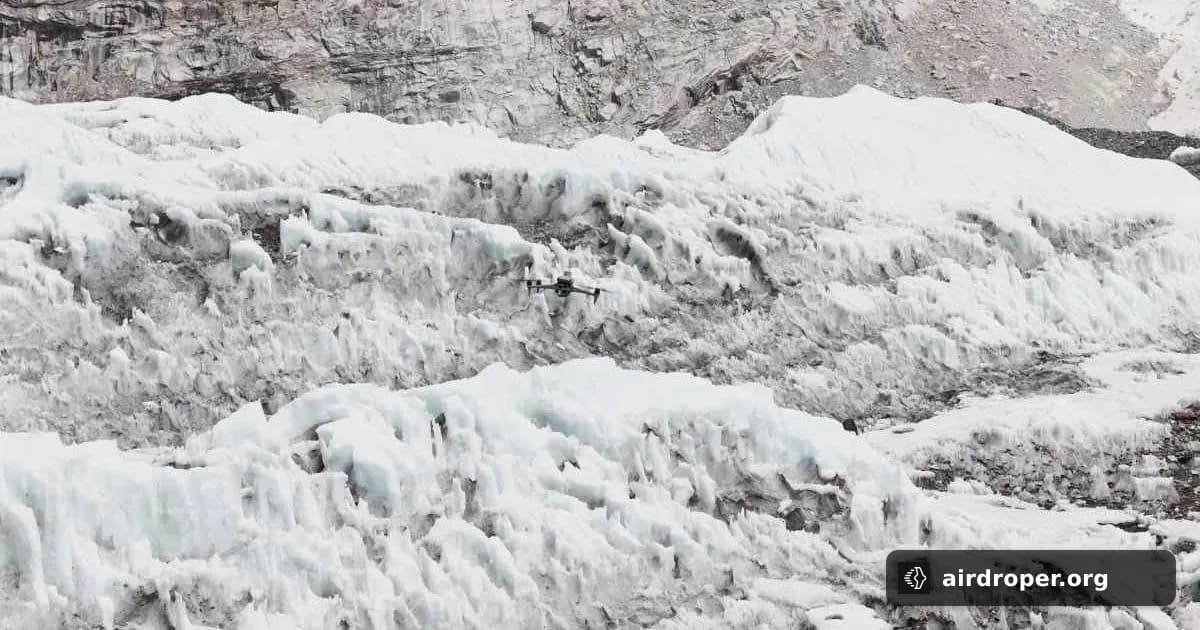
DJI Drone Mapped Everest’s Dangerous Icefall
Drones are moving beyond footage
DJI’s latest Everest case study is a useful reminder that drones are no longer limited to dramatic aerial videos. In this project, the aircraft was used for something far more practical: mapping the Khumbu Icefall, one of the most dangerous sections on the route to the summit.
Why the Khumbu Icefall matters
The Khumbu Icefall is a constantly shifting field of ice, cracks, and unstable blocks. It is a place where conditions can change quickly, and where every step carries risk. That makes it a difficult environment for people and a demanding one for equipment.
Using a drone in this setting is a smart choice. Instead of sending people into a hazardous area to inspect terrain, teams can collect visual data remotely and build a clearer picture of what the icefall looks like from above. That kind of information is valuable for route planning, expedition support, and any situation where understanding the terrain matters more than getting a cinematic shot.
What this case study shows
The Everest example highlights several strengths that drones bring to mountain operations:
- reduced human exposure in dangerous terrain;
- fast data collection in hard-to-reach areas;
- better terrain visibility for mapping and analysis;
- access to locations that are impractical or unsafe to reach on foot.
This is the part of drone technology that often gets less attention than the visuals. In reality, the same platform that captures mountain scenery can also support surveying, planning, and safety-focused work in extreme conditions.
A practical role for UAVs
High-altitude missions are a good test of both the aircraft and the systems behind it. Weather, elevation, and rough terrain all make the job harder. When a drone can complete a mapping task in such an environment, it reinforces a broader trend: UAVs are becoming tools for work, not just for media.
The Everest case is a strong example of that shift. It shows how drones can help people understand dangerous places without placing crews in unnecessary danger.
Related Posts
Comments
Sign in to leave a comment